- Stress and anxiety
- Communication skills
- First responder issues
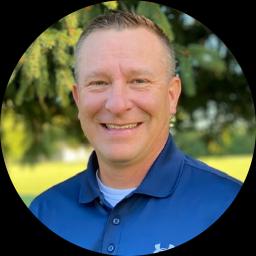
About David
David Roby is an Ohio LISW with 20 years of clinical experience. He helps people who struggle with stress, anxiety, trauma and abuse, anger, low self-esteem, and major life changes. He also works with people facing isolation, control issues, first responder challenges, and veteran or armed forces concerns.
He keeps sessions direct and practical. He focuses on building clearer communication and teaching coping strategies that can be used day to day. Conversations look at what leads to outbursts or simmering resentment and then test small changes to interrupt those patterns.
David draws on evidence-based therapeutic techniques to guide the work. That means using methods shown to reduce reactivity, process difficult events, and strengthen self-regulation. He explains options in plain language and helps people choose approaches that fit their goals.
His background includes extended work with veterans and first responders, and years helping people who feel isolated or who are redefining life purpose. That experience shapes how he supports clients through trauma, anger, and transitions.
Sessions emphasize skills people can apply between meetings. Common focuses are breathing and grounding practices, clearer ways to communicate when upset, and steps for rebuilding confidence after setbacks. The aim is steady, manageable change rather than one-off fixes.
How evidence-based techniques work in online sessions
David uses evidence-based therapeutic techniques described in plain terms. One approach focuses on teaching concrete self-regulation skills - breathing, grounding, and short behavioral steps that reduce intense reactions. These tools are useful for sudden anger or ongoing irritability.Another approach centers on processing traumatic events through structured, stepwise work. That helps people make sense of past experiences that fuel current anger and worry. The therapist pairs processing with coping skills so reactions are easier to manage between sessions.
Choosing the right approach is part of the work. He will talk with each person about problems, goals, and preferences, then try methods that fit. The process is collaborative and adjusted over time if something isn’t helping.
The biography does not list which session formats are provided, so confirm the available options before booking. Online sessions can make it easier to fit meetings into a busy week, allow shorter check-ins when needed, and reduce travel time. Those practical benefits often help people practice new skills more consistently in everyday life.
Areas of expertise
Primary focus
Additional focus areas
Experience
20+ years
Listed in
Ohio
Languages
English
Frequently asked questions
What kinds of anger-related concerns does he work with?
He works with losing temper, growing resentment, and anger tied to trauma or life transitions. Anger is listed among his main focus areas.
What is his general approach in sessions?
He uses evidence-based therapeutic techniques and practical skills. Sessions focus on communication, coping strategies, and reducing reactivity.
How much clinical experience does he have?
He has 20 years of professional experience working with a range of concerns including trauma, anxiety, and anger.
Which credentials and location apply to this therapist?
He holds the LISW credential and practices in Ohio.
Can people meet with him in other languages or from other countries?
Sessions are offered in English. He is not currently accepting international clients.
What session formats are offered?
The original biography does not specify session formats. Confirm current session options before booking.
How are sessions paid for and what does cost look like?
Cost varies by location and sessions use a subscription that can be canceled at any time.
How do I begin working with him?
Select the See online therapy options button, complete a short matching questionnaire, and schedule your first session.