
Velma Jones
LCSWNew York · 29 yrs exp
Licensed Clinical Social Worker - Anger, Relationships
Stress, Anxiety · Relationship · Trauma and abuse · Depression · +10 more
Read profileTherapists in the United States, United Kingdom and Australia
Need help right now?Therapist listings are provided by BetterHelp. We will earn a commission at no additional cost to you if you use our links to purchase.
This collection groups profiles of therapists who list First Responder Issues alongside anger and frustration so you can compare focus areas, approaches, credentials and listed location. Browse the profiles below to review experience, languages and approach summaries and to identify professionals you may want to contact.
New York · 29 yrs exp
Licensed Clinical Social Worker - Anger, Relationships
Stress, Anxiety · Relationship · Trauma and abuse · Depression · +10 more
Read profile
Connecticut · 48 yrs exp
LCSW - Relationships and Anger
Relationship · Family · Trauma and abuse · Parenting · +14 more
Read profile
Florida · 25 yrs exp
Licensed Mental Health Counselor - Relationships and Trauma
Relationship · Trauma and abuse · Grief · Anger · +12 more
Read profile
Arizona · 23 yrs exp
Licensed counselor - Anger and mood concerns
Stress, Anxiety · Self esteem · Depression · Coping with life changes · +16 more
Read profile
Pennsylvania · 12 yrs exp
LPCC LMHC - Anger and Relationship concerns
Stress, Anxiety · Relationship · Self esteem · Depression · +11 more
Read profile
Missouri · 7 yrs exp
Licensed Professional Counselor - Anger and Addiction
Stress, Anxiety · Addictions · Relationship · Self esteem · +13 more
Read profile
Nebraska · 36 yrs exp
LIMHP - Anger and Relationship Concerns
Stress, Anxiety · Family · Grief · Intimacy-related issues · +12 more
Read profile
Louisiana · 16 yrs exp
LCSW in Louisiana - Mood and relationship concerns
Stress, Anxiety · Relationship · Trauma and abuse · Bipolar · +16 more
Read profile
Texas · 21 yrs exp
LCSW - Anger and Relationship concerns
Stress, Anxiety · Relationship · Trauma and abuse · Intimacy-related issues · +15 more
Read profile
Texas · 8 yrs exp
Licensed Professional Counselor - Stress and Anger
Stress, Anxiety · Grief · Self esteem · Career · +11 more
Read profile
Illinois · 25 yrs exp
Licensed Clinical Social Worker - Anger and Stress
Stress, Anxiety · Self esteem · Career · Coping with life changes · +10 more
Read profile
Wisconsin · 11 yrs exp
Licensed Professional Counselor - Anger and Relationships
Stress, Anxiety · Family · Trauma and abuse · Depression · +12 more
Read profile
Mississippi · 12 yrs exp
LCSW - anger and mood concerns
Stress, Anxiety · Addictions · Anger · Self esteem · +12 more
Read profile
Texas · 23 yrs exp
LPC counselor - relationships and anger
Stress, Anxiety · Relationship · Self esteem · Career · +11 more
Read profile
Alabama · 15 yrs exp
Licensed Professional Counselor - Anger and Trauma
Stress, Anxiety · Addictions · Relationship · Family · +12 more
Read profile
Georgia · 22 yrs exp
LPC in Georgia - Anger and Stress work
Stress, Anxiety · Addictions · Trauma and abuse · Parenting · +11 more
Read profile
Nebraska · 25 yrs exp
LMHP - Anger and Stress Support
Stress, Anxiety · Family · Trauma and abuse · Parenting · +12 more
Read profile
Arkansas · 23 yrs exp
Licensed Professional Counselor - Anger and Relationships
Stress, Anxiety · Trauma and abuse · Anger · Self esteem · +11 more
Read profile
North Carolina · 16 yrs exp
LMFT - Relationships and Anger
Stress, Anxiety · Relationship · Family · Parenting · +8 more
Read profile
Illinois · 38 yrs exp
Licensed Clinician - Anger and Life Stress
Stress, Anxiety · Self esteem · Depression · Coping with life changes · +9 more
Read profile
California · 20 yrs exp
Licensed Clinical Social Worker - Anger and Relationships
Stress, Anxiety · Relationship · Family · Parenting · +15 more
Read profile
Tennessee · 15 yrs exp
Licensed Clinical Social Worker - Anger and Relationships
Stress, Anxiety · Relationship · Family · Self esteem · +9 more
Read profile
North Carolina · 16 yrs exp
Licensed Clinical Social Worker - Anger and Addictions
Stress, Anxiety · Addictions · Trauma and abuse · Anger · +13 more
Read profile
Texas · 5 yrs exp
Licensed Clinical Social Worker - Anger and Anxiety
Stress, Anxiety · Relationship · Family · Trauma and abuse · +9 more
Read profile
Texas · 20 yrs exp
Licensed Professional Counselor - Anger and Relationships
Stress, Anxiety · Relationship · Family · Trauma and abuse · +13 more
Read profile
North Carolina · 20 yrs exp
LPC and LCMHC - Anger and Stress support
Stress, Anxiety · Parenting · Self esteem · Depression · +15 more
Read profile
Pennsylvania · 15 yrs exp
Licensed Professional Counselor - Anger and Anxiety
Stress, Anxiety · Relationship · Self esteem · Depression · +14 more
Read profile
South Carolina · 20 yrs exp
Licensed Professional Counselor - Anger and Trauma
Stress, Anxiety · Relationship · Trauma and abuse · Anger · +11 more
Read profile
Florida · 32 yrs exp
LCSW - Stress and Anger concerns
Stress, Anxiety · Trauma and abuse · Grief · Depression · +14 more
Read profile
Texas · 15 yrs exp
Licensed Professional Counselor - Anger and mood concerns
Stress, Anxiety · Grief · Self esteem · Depression · +13 more
Read profile
Illinois · 9 yrs exp
LCPC - Anger and Relationship concerns
Stress, Anxiety · LGBT · Grief · Self esteem · +9 more
Read profile
New York · 25 yrs exp
Licensed Clinical Social Worker - Anger and Relationships
Stress, Anxiety · Relationship · Family · Trauma and abuse · +15 more
Read profile
Virginia · 4 yrs exp
Licensed Clinical Social Worker - Anger and Stress
Stress, Anxiety · Grief · Anger · Self esteem · +10 more
Read profile
Florida · 24 yrs exp
Licensed Mental Health Counselor - Anger and Anxiety
Stress, Anxiety · Career · Depression · Coping with life changes · +12 more
Read profile
Florida · 19 yrs exp
Licensed Clinical Social Worker - Anger and Relationships
Stress, Anxiety · Trauma and abuse · Grief · Depression · +9 more
Read profile
Connecticut · 16 yrs exp
Connecticut LCSW - Anger and Relationships
Stress, Anxiety · Addictions · Family · Anger · +14 more
Read profile
Colorado · 15 yrs exp
Licensed Professional Counselor - Anger and Trauma
Stress, Anxiety · Addictions · Trauma and abuse · Anger · +6 more
Read profile
Arizona · 21 yrs exp
Licensed counselor - Anger and relationships
Stress, Anxiety · Addictions · Relationship · Family · +10 more
Read profile
Mississippi · 20 yrs exp
LPC counselor - anger and emotion concerns
Stress, Anxiety · Addictions · Trauma and abuse · Anger · +14 more
Read profile
Missouri · 8 yrs exp
Licensed counselor - Anger and emotional regulation
Stress, Anxiety · Addictions · LGBT · Trauma and abuse · +15 more
Read profile
Florida · 3 yrs exp
LCSW - Anger and Relationship concerns
Stress, Anxiety · Relationship · Trauma and abuse · Grief · +14 more
Read profile
Missouri · 19 yrs exp
Licensed counselor - Anger and relationships
Stress, Anxiety · Relationship · Trauma and abuse · Depression · +14 more
Read profile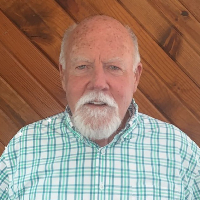
Missouri · 45 yrs exp
Licensed Professional Counselor - Anger and Relationships
Stress, Anxiety · Relationship · Family · Parenting · +15 more
Read profile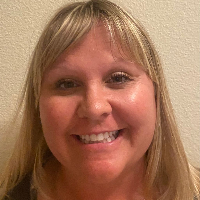
Colorado · 18 yrs exp
LPC LCPC - Anger and mood concerns
Stress, Anxiety · Addictions · Relationship · Self esteem · +15 more
Read profile
Nebraska · 35 yrs exp
Licensed counselor - relationships and anger
LGBT · Relationship · Family · Intimacy-related issues · +6 more
Read profile
Michigan · 32 yrs exp
Licensed Professional Counselor - Anger and mood concerns
Depression · Stress, Anxiety · Relationship · Family · +4 more
Read profile
Texas · 10 yrs exp
LPC and LMHC - Anger and mood concerns
Stress, Anxiety · Family · Trauma and abuse · Grief · +16 more
Read profile
Kansas · 30 yrs exp
LSCSW - Anger and Trauma work
Stress, Anxiety · Trauma and abuse · Sleeping · Self esteem · +14 more
Read profile
New Jersey · 38 yrs exp
LPC in New Jersey - Anger and Trauma
Stress, Anxiety · Addictions · Relationship · Trauma and abuse · +14 more
Read profile
Ohio · 35 yrs exp
LISW - Mood and Anger concerns
Addictions · Trauma and abuse · Self esteem · Bipolar · +7 more
Read profile
Florida · 25 yrs exp
LMHC in Florida - Anger and Relationships
Stress, Anxiety · Relationship · Family · Self esteem · +13 more
Read profile
Indiana · 29 yrs exp
Licensed Clinical Social Worker - trauma and mood concerns
Stress, Anxiety · Trauma and abuse · Grief · Sleeping · +9 more
Read profile
New York · 13 yrs exp
Licensed Clinical Social Worker - Anger and Anxiety
Stress, Anxiety · Trauma and abuse · Depression · Coaching · +13 more
Read profile
Texas · 16 yrs exp
Licensed counselor - Anger and Trauma
Stress, Anxiety · Addictions · Relationship · Trauma and abuse · +9 more
Read profile
Georgia · 8 yrs exp
Licensed Professional Counselor - Anger and Trauma
Stress, Anxiety · Trauma and abuse · Self esteem · Bipolar · +8 more
Read profile
Florida · 22 yrs exp
Licensed counselor - Anger and trauma
Stress, Anxiety · Relationship · Family · Trauma and abuse · +10 more
Read profile
Michigan · 10 yrs exp
Licensed social worker - Anger and relationships
Addictions · Relationship · Trauma and abuse · Self esteem · +16 more
Read profile
Florida · 21 yrs exp
Licensed Clinical Social Worker - Relationships and Anger
Stress, Anxiety · Relationship · Family · Eating · +16 more
Read profile
Texas · 12 yrs exp
LPC, LMHC - Anger and Stress support
Stress, Anxiety · Trauma and abuse · Anger · Depression · +9 more
Read profile
Washington · 19 yrs exp
LICSW - Anger and Addictions
Stress, Anxiety · Addictions · Relationship · Anger · +9 more
Read profileIf you are searching for help related to First Responder Issues and anger, you might be living with increased irritability, sudden outbursts, or persistent resentment that affects your relationships and work. Stress from shift schedules, traumatic incidents, bureaucratic pressures, and sleep disruption can intensify frustration and make it harder to manage routine conflicts. You may notice changes in how you relate to family, how you react to criticism, or how anger shows up at work. These are practical concerns people raise, not moral judgments about you. When exploring profiles, look for descriptions that speak to irritability, outbursts, resentment, and the impact on relationships and workplace functioning so you can find a professional whose focus aligns with the challenges you face.
It is important to note that listed topics on profiles do not prove specialisation or certification. Profiles show what a clinician lists as areas of focus and what they have experience describing on their profile. If you are in immediate danger or fear for your safety or the safety of someone else, you should contact emergency services or a domestic-abuse helpline right away rather than relying on an online directory.
First responder roles often involve repeated exposure to stressful or violent incidents, responsibility for other people’s safety, and organizational demands that can feel overwhelming. For some people this context contributes to heightened reactivity, persistent tension, and difficulty winding down between shifts. For others, resentment and irritability may stem from chronic fatigue, a mismatch between expectations and resources, or relationship strain tied to work demands. You should understand that a profile listing First Responder Issues alongside anger and frustration does not mean one caused the other. It simply indicates the clinician lists both as areas they address.
As you read profiles, pay attention to language about the kinds of situations a clinician mentions. Some professionals describe experience with occupational stress, traumatic exposure, or workplace conflict. Others focus on managing intense emotions, communication patterns, or family impacts. This can help you judge whether a clinician frames concerns in a way that matches your own experience. You can ask questions about their experience with occupational stressors common to first responder roles and how they typically help people navigate anger-related problems.
When you contact someone whose profile interests you, concrete questions will give you clearer information than general statements. You might ask: Do you have experience working with people in first responder professions or in high-stress occupations, and what kinds of challenges have you addressed? How do you typically help someone who describes frequent irritability or sudden outbursts - what would the first few conversations focus on? Which approaches do you list among your approaches, and how might those be used with someone managing anger and frustration? Do you have experience addressing workplace impacts, relationship strain, or resentment specifically?
Also ask about the clinician’s professional credentials and how they relate to practice. Remember that academic degrees such as PhD, PsyD, MD, MA and MSW are different from regulatory permissions to practice. In the United States, clinicians often list state licenses such as LCSW, LPC or LMFT. In the United Kingdom and Australia, clinicians may note registration with a regulatory body or membership in professional organisations. A degree alone does not demonstrate current permission to practise, so ask about registration or licensure in your jurisdiction if that is important to you. Finally, keep in mind that a listed topic does not establish that a clinician treats children, couples, or families; check the profile or ask directly about the populations they work with.
If you are considering online care, there are practical points to raise before any session. Confirm whether the clinician is authorised to practise with people in your jurisdiction, since rules differ across states and countries. Ask how they handle situations if you are in crisis during a session and what local resources they recommend; it is useful to have a short safety plan and contact information for local emergency services or helplines. Identify the kind of environment that will be most helpful for you - for example a quiet, uninterrupted private space where you feel comfortable - and discuss how to manage interruptions.
Clarify technology basics so you know what to expect when connecting, and ask about communication preferences for appointment logistics or brief check-ins. Keep in mind that online care is not a court-ordered anger-management course or certificate program; it is a therapeutic relationship you would discuss with the clinician. If you have legal or employment-related requirements, bring those up so the clinician can explain whether they can support you within those boundaries. If you feel unsafe or worried about harming yourself or someone else, contact emergency services or a domestic-abuse helpline rather than waiting for an appointment.
Profiles differ in how they present experience, approach and professional qualifications. Some clinicians highlight focus areas such as occupational stress, trauma exposure, or family impact. Others emphasise emotional regulation, communication skills, or coping strategies. You will also see references on profiles to approaches; for instance, some profiles list EMDR among their approaches, while others mention cognitive-behavioral approaches among their approaches. These listings are prompts for conversation rather than guarantees of specific training or outcomes. Ask how the clinician explains their approach in practice and what a typical early conversation would cover.
Language options and listed location can matter for practical reasons, such as communicating in your preferred language or accessing support within a similar time zone. Review credentials carefully and distinguish degrees from licensure or registration. If you need a clinician authorised to work in a particular state or country, ask about their current registration or licence rather than assuming it from a degree. Consider the clinician’s stated style as described in their profile - whether they emphasise practical skills, reflective exploration, or a combination - and think about what tone would fit you best. Ultimately profiles are a starting point. Use them to make focused comparisons and prepare questions so you can decide which professionals you want to contact and what you want to discuss first.
Alabama
127 therapists
Alaska
17 therapists
Arizona
100 therapists
Arkansas
68 therapists
Australia
77 therapists
California
542 therapists
Colorado
154 therapists
Connecticut
78 therapists
Delaware
23 therapists
District of Columbia
16 therapists
Florida
854 therapists
Georgia
273 therapists
Hawaii
30 therapists
Idaho
48 therapists
Illinois
259 therapists
Indiana
114 therapists
Iowa
45 therapists
Kansas
55 therapists
Kentucky
109 therapists
Louisiana
166 therapists
Maine
41 therapists
Maryland
134 therapists
Massachusetts
95 therapists
Michigan
264 therapists
Minnesota
102 therapists
Mississippi
98 therapists
Missouri
225 therapists
Montana
51 therapists
Nebraska
34 therapists
Nevada
45 therapists
New Hampshire
19 therapists
New Jersey
175 therapists
New Mexico
41 therapists
New York
358 therapists
North Carolina
343 therapists
North Dakota
5 therapists
Ohio
224 therapists
Oklahoma
141 therapists
Oregon
54 therapists
Pennsylvania
292 therapists
Rhode Island
18 therapists
South Carolina
173 therapists
South Dakota
24 therapists
Tennessee
136 therapists
Texas
791 therapists
United Kingdom
1477 therapists
Utah
56 therapists
Vermont
13 therapists
Virginia
158 therapists
Washington
86 therapists
West Virginia
27 therapists
Wisconsin
123 therapists
Wyoming
18 therapists