
Francis Jones III
LPCArkansas · 23 yrs exp
Licensed Professional Counselor - Anger and Relationships
Stress, Anxiety · Trauma and abuse · Anger · Self esteem · +11 more
Read profileTherapists in the United States, United Kingdom and Australia
Need help right now?Therapist listings are provided by BetterHelp. We will earn a commission at no additional cost to you if you use our links to purchase.
This page groups professionals under the listed location Arkansas so you can compare focus areas, approaches, credentials, languages and experience among profiles. Browse the listings below to read how each therapist describes their focus and methods, and check each profile to confirm permission to work with you where you live.
Arkansas · 23 yrs exp
Licensed Professional Counselor - Anger and Relationships
Stress, Anxiety · Trauma and abuse · Anger · Self esteem · +11 more
Read profile
Arkansas · 3 yrs exp
Licensed Professional Counselor - Anger and Mood Concerns
Stress, Anxiety · Grief · Self esteem · Depression · +9 more
Read profile
Arkansas · 18 yrs exp
Licensed Professional Counselor - Anger and Relationships
Stress, Anxiety · Family · Trauma and abuse · Depression · +15 more
Read profile
Arkansas · 8 yrs exp
Licensed Professional Counselor - Anger and Trauma
Stress, Anxiety · Trauma and abuse · Self esteem · Depression · +7 more
Read profile
Arkansas · 17 yrs exp
Licensed Professional Counselor - Anger and Mood concerns
Stress, Anxiety · Family · Trauma and abuse · Grief · +8 more
Read profile
Arkansas · 7 yrs exp
Licensed Professional Counselor - Anger and Trauma
Stress, Anxiety · Relationship · Trauma and abuse · Anger · +1 more
Read profile
Arkansas · 10 yrs exp
Licensed Professional Counselor - Anger and Trauma
Stress, Anxiety · Trauma and abuse · Anger · Depression · +6 more
Read profile
Arkansas · 19 yrs exp
Licensed Clinical Social Worker - Anger and Relationships
Stress, Anxiety · Relationship · Family · Trauma and abuse · +7 more
Read profile
Arkansas · 7 yrs exp
Licensed Clinical Social Worker - Anger and Relationships
Stress, Anxiety · Relationship · Family · Self esteem · +9 more
Read profile
Arkansas · 18 yrs exp
LCSW - Stress and Anger concerns
Stress, Anxiety · Grief · Anger · Self esteem · +14 more
Read profile
Arkansas · 12 yrs exp
LCSW - Anger and stress work
Stress, Anxiety · Trauma and abuse · Parenting · Depression · +9 more
Read profile
Arkansas · 26 yrs exp
LCSW - Anger and Stress work
Stress, Anxiety · Parenting · Self esteem · Depression · +8 more
Read profile
Arkansas · 37 yrs exp
Licensed Clinical Social Worker - Anger and Relationship concerns
Stress, Anxiety · Relationship · Trauma and abuse · Grief · +13 more
Read profile
Arkansas · 8 yrs exp
Licensed Clinical Social Worker - Anger and Mood Concerns
Stress, Anxiety · Family · Trauma and abuse · Self esteem · +12 more
Read profile
Arkansas · 40 yrs exp
LCSW - Anger and Stress focus
Stress, Anxiety · Addictions · Family · Trauma and abuse · +16 more
Read profile
Arkansas · 10 yrs exp
Licensed Professional Counselor - Anger & relationships
Stress, Anxiety · Parenting · Self esteem · Depression · +12 more
Read profile
Arkansas · 5 yrs exp
Licensed counselor - Anger and career concerns
Stress, Anxiety · Self esteem · Career · Depression · +9 more
Read profile
Arkansas · 3 yrs exp
Licensed clinical social worker - Anger and mood concerns
Stress, Anxiety · Grief · Self esteem · Depression · +7 more
Read profile
Arkansas · 9 yrs exp
Licensed Clinical Social Worker - Anger and Relationships
Stress, Anxiety · Relationship · Family · Grief · +15 more
Read profile
Arkansas · 25 yrs exp
Licensed Professional Counselor - Anger and Trauma
Stress, Anxiety · Family · Trauma and abuse · Parenting · +13 more
Read profile
Arkansas · 7 yrs exp
LPC counselor - Anger and mood concerns
Stress, Anxiety · Relationship · Self esteem · Depression · +10 more
Read profile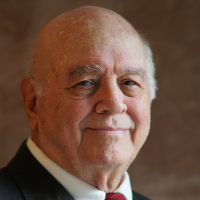
Arkansas · 58 yrs exp
Dr. Herschel Pollard - Psychologist, Anger and Stress
Stress, Anxiety · Relationship · Depression · Coping with life changes · +12 more
Read profile
Arkansas · 20 yrs exp
Licensed Professional Counselor - Relationships and Mood
Stress, Anxiety · Relationship · Grief · Depression · +7 more
Read profile
Arkansas · 11 yrs exp
Licensed Professional Counselor - Anger and Relationships
Stress, Anxiety · Addictions · Relationship · Family · +12 more
Read profile
Arkansas · 6 yrs exp
Licensed Professional Counselor - Anger and Anxiety
Stress, Anxiety · Anger · Depression · Relationship · +7 more
Read profile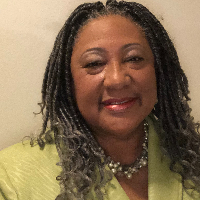
Arkansas · 17 yrs exp
Licensed Professional Counselor - Anger and Addictions
Stress, Anxiety · Addictions · Family · Trauma and abuse · +9 more
Read profile
Arkansas · 4 yrs exp
LPC in Arkansas - anger and relationship support
Stress, Anxiety · Family · Self esteem · Career · +11 more
Read profile
Arkansas · 20 yrs exp
Licensed Professional Counselor - Anger and Stress
Stress, Anxiety · Family · Anger · Self esteem · +8 more
Read profile
Arkansas · 16 yrs exp
LPC in Arkansas - anger and mood concerns
Stress, Anxiety · Trauma and abuse · Self esteem · Career · +14 more
Read profile
Arkansas · 12 yrs exp
LCSW clinician - Anger and life stress
Stress, Anxiety · Self esteem · Depression · Coping with life changes · +9 more
Read profile
Arkansas · 13 yrs exp
Licensed Professional Counselor - Stress and Anger
Stress, Anxiety · Trauma and abuse · Self esteem · Depression · +12 more
Read profile
Arkansas · 30 yrs exp
LCSW - Anger and mood concerns
Stress, Anxiety · Trauma and abuse · Grief · Depression · +13 more
Read profile
Arkansas · 12 yrs exp
LCSW helping with anger and life stress
Stress, Anxiety · Relationship · Self esteem · Coping with life changes · +7 more
Read profile
Arkansas · 14 yrs exp
Licensed Professional Counselor - Anger and trauma
Stress, Anxiety · Addictions · Trauma and abuse · Self esteem · +9 more
Read profile
Arkansas · 24 yrs exp
Licensed Professional Counselor - Anger and Trauma
Stress, Anxiety · Trauma and abuse · Anger · Self esteem · +5 more
Read profile
Arkansas · 27 yrs exp
Licensed Professional Counselor - Anger and Mood Concerns
Stress, Anxiety · Relationship · Depression · Coping with life changes · +15 more
Read profile
Arkansas · 17 yrs exp
LCSW - Anger and trauma focused
Trauma and abuse · Anger · Self esteem · Bipolar · +8 more
Read profile
Arkansas · 10 yrs exp
LCSW - Anger and Anxiety support
Stress, Anxiety · LGBT · Self esteem · Depression · +13 more
Read profile
Arkansas · 10 yrs exp
Licensed Professional Counselor - Stress and Anger
Stress, Anxiety · Family · Self esteem · Depression · +13 more
Read profile
Arkansas · 5 yrs exp
LCSW - Mood concerns and anger
Stress, Anxiety · Trauma and abuse · Self esteem · Depression · +11 more
Read profile
Arkansas · 13 yrs exp
Licensed Clinical Social Worker - Anger and Relationships
Stress, Anxiety · Relationship · Family · Self esteem · +13 more
Read profile
Arkansas · 35 yrs exp
Licensed Certified Social Worker - Stress and Anger
Stress, Anxiety · Relationship · Family · Trauma and abuse · +14 more
Read profile
Arkansas · 12 yrs exp
Licensed counselor - Anger and relationships
Stress, Anxiety · Trauma and abuse · Grief · Parenting · +10 more
Read profile
Arkansas · 18 yrs exp
Licensed Clinical Social Worker - Anger and Relationships
Stress, Anxiety · Family · Self esteem · Depression · +7 more
Read profile
Arkansas · 5 yrs exp
Licensed Professional Counselor - Stress and Anger
Stress, Anxiety · Family · Parenting · Depression · +11 more
Read profile
Arkansas · 21 yrs exp
Licensed Professional Counselor - Anger and Relationships
Stress, Anxiety · Relationship · Family · Depression · +14 more
Read profile
Arkansas · 9 yrs exp
Arkansas LPC - Anger and Trauma
Stress, Anxiety · Trauma and abuse · Anger · Self esteem · +8 more
Read profile
Arkansas · 5 yrs exp
Licensed counselor - Anger and relationships
Stress, Anxiety · Relationship · Anger · Self esteem · +9 more
Read profile
Arkansas · 30 yrs exp
Licensed Professional Counselor - Anger and Addictions
Addictions · Trauma and abuse · Anger · Self esteem · +13 more
Read profile
Arkansas · 5 yrs exp
Licensed counselor - Anger and mood concerns
Stress, Anxiety · Self esteem · Coping with life changes · Addictions · +7 more
Read profile
Arkansas · 27 yrs exp
Licensed Professional Counselor - Stress and Anger
Stress, Anxiety · Addictions · Family · Trauma and abuse · +8 more
Read profile
Arkansas · 5 yrs exp
Licensed Professional Counselor - Anger and Addictions
Stress, Anxiety · Addictions · Anger · Depression · +1 more
Read profile
Arkansas · 3 yrs exp
LCSW - Anger and Relationship Concerns
Stress, Anxiety · LGBT · Relationship · Family · +13 more
Read profile
Arkansas · 8 yrs exp
LPC in Arkansas - stress and anger work
Stress, Anxiety · Trauma and abuse · Anger · Self esteem · +14 more
Read profile
Arkansas · 32 yrs exp
Licensed Professional Counselor - Anger and Mood Concerns
Stress, Anxiety · LGBT · Bipolar · Depression · +10 more
Read profile
Arkansas · 20 yrs exp
Licensed Professional Counselor - Anger and Relationships
Relationship · Self esteem · Career · Coping with life changes · +6 more
Read profile
Arkansas · 5 yrs exp
LCSW - Anger and Mood Concerns
Stress, Anxiety · Anger · Self esteem · Depression · +8 more
Read profile
Arkansas · 15 yrs exp
Licensed Clinical Social Worker - Anger and Stress
Stress, Anxiety · Grief · Anger · Self esteem · +1 more
Read profile
Arkansas · 15 yrs exp
Licensed Clinical Social Worker - Anger and Stress
Stress, Anxiety · LGBT · Relationship · Trauma and abuse · +9 more
Read profile
Arkansas · 4 yrs exp
Licensed Professional Counselor - Anger and Anxiety
Stress, Anxiety · Trauma and abuse · Self esteem · Depression · +5 more
Read profileWhen you’re looking for help with anger, you may be dealing with persistent irritability, sudden outbursts, simmering resentment or stress that affects your sleep, work and relationships. You might also notice patterns - quick temper in certain situations, frequent snap reactions, or difficulties managing frustration at home or on the job. These experiences can be isolating and confusing. It is common to worry about how your reactions are perceived by others, to feel guilt about what happened in past outbursts, or to fear the long-term effects on your partnerships and career. You are not expected to carry all of that alone, and a therapist’s profile can help you identify professionals who describe relevant focus areas and experience.
Not all expressions of anger are the same. Some people describe anger as a response to chronic stress or burnout. Others see it as a pattern that traces back to early relationships or trauma. For some, anger contains elements of impulsivity that show up at work or in brief conflicts, while for others the issue is long-standing resentment. If you feel at risk of harming yourself or others, call emergency services immediately or contact a domestic-abuse helpline for guidance and support. Also keep in mind that online talk therapy is not a court-ordered anger-management course or certificate, and using therapy does not replace legal or safety interventions when those are needed.
This page groups profiles under the listed location Arkansas, but that grouping is not proof of a physical office, local proximity, eligibility for every resident, or an active license in that state. When you look at an individual profile, confirm the details there and ask the clinician directly whether they have permission to provide services where you live. Laws about where a clinician may practice differ across countries and states, and profiles vary in the information they present.
Professional credentials can take several forms. In the United States many clinicians hold state licenses such as licensed clinical social worker or licensed professional counselor; in the UK clinicians may be registered with or members of professional bodies; in Australia practitioners may be registered or belong to professional associations. Academic degrees such as PhD, PsyD, MD, MA and MSW indicate a level of education, but a degree on its own does not establish current permission to practice. When you read profiles, notice whether a clinician lists a license, registration or membership and ask them how that credential relates to their legal ability to work with you in your jurisdiction.
Profiles often describe an approach or list specific methods. Those listings are prompts for conversation rather than promises. A useful way to compare profiles is to prepare direct questions that clarify how a clinician works in practice. For example, you might ask how they typically help people who come with frequent irritability or anger outbursts, what a typical conversation looks like during the first few sessions, and how they handle safety planning if emotions escalate. You can also ask whether they have experience working with issues that are relevant to you, such as workplace stress, family conflict, cultural concerns or past trauma.
Be explicit about scope. If you want help managing conflict in a relationship, ask whether the therapist treats couples or focuses on individuals, and whether they are comfortable discussing relational patterns even if they do not offer couple work. If you are concerned about anger connected to trauma, ask how they approach trauma-related symptoms. If you have cultural, religious or identity considerations that matter, ask how they incorporate those aspects into their work. Concrete questions help you compare how profiles describe focus areas and what the clinician will actually address with you.
If you are considering online care, clarify practical and safety-related points up front. Ask the clinician which communication technologies they use and what to do if a connection drops during an emotional moment. Discuss how they handle emergency situations remotely - for example, what steps they recommend if you feel unable to stay safe between sessions and whether they will work with you to identify local emergency contacts. Make sure you understand their policies about boundaries and contact outside scheduled sessions so you know how to reach them in a crisis.
It is important to verify legal and ethical considerations before beginning. Confirm with the clinician whether they have permission to work with you in your state or country, and whether any consent forms or agreements are needed for online sessions. Remember that online talk therapy is not a court-ordered anger-management course or certificate. If you have legal questions or are participating in court processes, ask how therapy fits with those requirements and whether the clinician can document what you need. If your situation involves immediate risk of harm to you or someone else, contact emergency services or a domestic-abuse helpline right away.
When you compare profiles, read beyond a single headline and look for details that matter to you. Focus areas tell you what the clinician highlights - whether that is managing daily irritability, addressing explosive episodes, dealing with resentment or navigating anger tied to grief or stress. Profiles that list multiple areas can indicate broader experience, but the language they use will help you decide if their emphasis matches your goals. Look for specifics about populations they mention, while remembering that a listed topic does not guarantee they treat children, couples or families unless the profile says so.
Language and communication style are important. If you prefer to speak in a language other than English, check profiles for languages offered and ask how language is handled in sessions. Credentials and degrees shed light on education and professional standing, but degrees such as PhD, PsyD, MD, MA or MSW should be considered alongside licensing, registration or membership details that relate to legal permission to practice. Style is often described in the tone of the profile - some clinicians emphasize a practical skills focus, others name emotional exploration or problem-solving orientation. Think about which description would feel most comfortable for you and use that to narrow your choices. Ultimately, the profiles are starting points for a conversation that will help you determine whether a therapist’s approach, experience and communication style are a good fit for the concerns you want to address.
Addictions
5312 therapists
ADHD
4911 therapists
Chronic Pain
1776 therapists
Control Issues
3907 therapists
Depression
8361 therapists
Domestic Violence
2683 therapists
Grief
7210 therapists
Guilt and Shame
5604 therapists
Impulsivity
3235 therapists
Isolation / Loneliness
5250 therapists
Midlife Crisis
3354 therapists
Mood Disorders
4356 therapists
Post-Traumatic Stress
4634 therapists
Self Esteem
8209 therapists
Sleeping Disorders
2876 therapists
Stress & Anxiety
8738 therapists
Trauma and Abuse
7407 therapists
Blended Family Issues
2871 therapists
Career
5739 therapists
Caregiver Issues and Stress
3880 therapists
Codependency
3486 therapists
Communication Problems
6004 therapists
Compassion Fatigue
4851 therapists
Coping with Life Changes
7745 therapists
Divorce
4111 therapists
Family
7264 therapists
Family of Origin Issues
2675 therapists
Fatherhood Issues
1838 therapists
First Responder Issues
1715 therapists
Forgiveness
5013 therapists
Infidelity
2726 therapists
Jealousy
2722 therapists
Money and Financial Issues
2234 therapists
Parenting
6239 therapists
Relationship
7656 therapists
Workplace Issues
4226 therapists