
Velma Jones
LCSWNew York · 29 yrs exp
Licensed Clinical Social Worker - Anger, Relationships
Stress, Anxiety · Relationship · Trauma and abuse · Depression · +10 more
Read profileTherapists in the United States, United Kingdom and Australia
Need help right now?Therapist listings are provided by BetterHelp. We will earn a commission at no additional cost to you if you use our links to purchase.
This page groups profiles of clinicians who list Post-Traumatic Stress alongside Anger and frustration as focus areas. Compare listed location, approach, languages and credentials, then browse profiles to learn more about each therapist's focus and background.
Use the profiles below to explore clinicians who mention Post-Traumatic Stress and how they describe working with anger-related concerns. Review profiles to help form questions for a first conversation.
New York · 29 yrs exp
Licensed Clinical Social Worker - Anger, Relationships
Stress, Anxiety · Relationship · Trauma and abuse · Depression · +10 more
Read profile
South Carolina · 16 yrs exp
LMFT - Relationships and Anger support
Stress, Anxiety · Relationship · Family · Parenting · +14 more
Read profile
Texas · 13 yrs exp
LCSW - Anger and relationships
Stress, Anxiety · Relationship · Trauma and abuse · Anger · +11 more
Read profile
Kansas · 15 yrs exp
Licensed counselor - Anger and relationships
Stress, Anxiety · Relationship · Family · Trauma and abuse · +14 more
Read profile
Minnesota · 14 yrs exp
Minnesota LMFT - Relationships and Anger
Stress, Anxiety · Relationship · Family · Trauma and abuse · +8 more
Read profile
New York · 24 yrs exp
Licensed Clinical Social Worker - Anger and Stress
Stress, Anxiety · Relationship · Anger · Self esteem · +12 more
Read profile
North Carolina · 51 yrs exp
LCMHC counselor - Relationships and Anger
Relationship · Intimacy-related issues · Parenting · Self esteem · +12 more
Read profile
Kentucky · 18 yrs exp
Licensed Marriage and Family Therapist - Anger and Relationships
LGBT · Relationship · Family · Self esteem · +14 more
Read profile
Connecticut · 48 yrs exp
LCSW - Relationships and Anger
Relationship · Family · Trauma and abuse · Parenting · +14 more
Read profile
South Carolina · 9 yrs exp
Licensed counselor - Anger and mood concerns
Stress, Anxiety · Addictions · Trauma and abuse · Self esteem · +13 more
Read profile
Florida · 25 yrs exp
Licensed Mental Health Counselor - Relationships and Trauma
Relationship · Trauma and abuse · Grief · Anger · +12 more
Read profile
Florida · 7 yrs exp
Licensed counselor - Anger and addictions
Addictions · Relationship · Family · Trauma and abuse · +13 more
Read profile
Maryland · 6 yrs exp
Licensed Clinical Professional Counselor - Anger and Trauma
Stress, Anxiety · Trauma and abuse · Self esteem · Coping with life changes · +10 more
Read profile
New York · 5 yrs exp
LMHC - mood and anger concerns
Stress, Anxiety · LGBT · Trauma and abuse · Bipolar · +12 more
Read profile
Arizona · 23 yrs exp
Licensed counselor - Anger and mood concerns
Stress, Anxiety · Self esteem · Depression · Coping with life changes · +16 more
Read profile
Michigan · 5 yrs exp
Licensed Professional Counselor - Anger and Life Changes
Stress, Anxiety · Relationship · Family · Self esteem · +12 more
Read profile
Rhode Island · 18 yrs exp
LMHC - Stress and Relationship concerns
Stress, Anxiety · Relationship · Trauma and abuse · Grief · +12 more
Read profile
Pennsylvania · 12 yrs exp
LPCC LMHC - Anger and Relationship concerns
Stress, Anxiety · Relationship · Self esteem · Depression · +11 more
Read profile
Texas · 22 yrs exp
Licensed Professional Counselor - Anger, Stress
Stress, Anxiety · Grief · Career · Depression · +9 more
Read profile
Missouri · 16 yrs exp
LCSW - Anger and Mood Concerns
Stress, Anxiety · Trauma and abuse · Self esteem · Bipolar · +12 more
Read profile
Missouri · 7 yrs exp
Licensed Professional Counselor - Anger and Addiction
Stress, Anxiety · Addictions · Relationship · Self esteem · +13 more
Read profile
New York · 35 yrs exp
LCSW in New York - Anger and Stress support
Stress, Anxiety · Self esteem · Career · ADHD · +10 more
Read profile
Oregon · 32 yrs exp
Licensed Marriage and Family Therapist - Anger and Relationships
Stress, Anxiety · Relationship · Trauma and abuse · Grief · +9 more
Read profile
Arizona · 20 yrs exp
Arizona psychologist - Anger and mood concerns
Stress, Anxiety · Addictions · Grief · Self esteem · +14 more
Read profile
Minnesota · 23 yrs exp
Licensed Marriage and Family Therapist - Relationships and Anger
Stress, Anxiety · Relationship · Trauma and abuse · Self esteem · +13 more
Read profile
Georgia · 18 yrs exp
Licensed Professional Counselor - Anger and Relationships
Stress, Anxiety · Relationship · Family · Trauma and abuse · +10 more
Read profile
Virginia · 6 yrs exp
Licensed Professional Counselor - Anger and Trauma
Stress, Anxiety · Trauma and abuse · Parenting · Depression · +4 more
Read profile
Florida · 30 yrs exp
Licensed Mental Health Counselor - Mood and Anger issues
Stress, Anxiety · Trauma and abuse · Bipolar · Depression · +16 more
Read profile
Nebraska · 36 yrs exp
LIMHP - Anger and Relationship Concerns
Stress, Anxiety · Family · Grief · Intimacy-related issues · +12 more
Read profile
Louisiana · 16 yrs exp
LCSW in Louisiana - Mood and relationship concerns
Stress, Anxiety · Relationship · Trauma and abuse · Bipolar · +16 more
Read profile
Louisiana · 22 yrs exp
Licensed counselor and therapist - Anger and relationships
Stress, Anxiety · Relationship · Family · Grief · +11 more
Read profile
Michigan · 35 yrs exp
Licensed Master Social Worker - Anger and Relationships
Stress, Anxiety · Addictions · Trauma and abuse · Self esteem · +3 more
Read profile
North Carolina · 20 yrs exp
Licensed Professional Counselor - Anger and Relationships
Stress, Anxiety · Relationship · Family · Self esteem · +9 more
Read profile
North Carolina · 18 yrs exp
Dr. Shelia Williamson Collins - Counselor for Anger and Addictions
Stress, Anxiety · Addictions · Trauma and abuse · Anger · +13 more
Read profile
Texas · 21 yrs exp
LCSW - Anger and Relationship concerns
Stress, Anxiety · Relationship · Trauma and abuse · Intimacy-related issues · +15 more
Read profile
Georgia · 19 yrs exp
Licensed Professional Counselor - Anger and Relationship Concerns
Stress, Anxiety · Addictions · Trauma and abuse · Self esteem · +11 more
Read profile
Louisiana · 20 yrs exp
Licensed counselor - Anger and mood concerns
Stress, Anxiety · Addictions · Eating · Depression · +14 more
Read profile
Florida · 30 yrs exp
Florida clinical psychologist - Anger and mood concerns
Stress, Anxiety · Grief · Anger · Depression · +15 more
Read profile
Wisconsin · 11 yrs exp
Licensed Professional Counselor - Anger and Relationships
Stress, Anxiety · Family · Trauma and abuse · Depression · +12 more
Read profile
Louisiana · 14 yrs exp
LCSW - Anger and trauma concerns
Stress, Anxiety · Anger · Self esteem · Depression · +9 more
Read profile
Texas · 20 yrs exp
Licensed Professional Counselor - Stress and Trauma
Stress, Anxiety · Trauma and abuse · Self esteem · Depression · +12 more
Read profile
Mississippi · 12 yrs exp
LCSW - anger and mood concerns
Stress, Anxiety · Addictions · Anger · Self esteem · +12 more
Read profile
Pennsylvania · 6 yrs exp
Licensed Professional Counselor - Anger and Relationships
Stress, Anxiety · LGBT · Relationship · Self esteem · +15 more
Read profile
Georgia · 20 yrs exp
Licensed Professional Counselor - Anger and Addictions
Stress, Anxiety · Addictions · Anger · Bipolar · +10 more
Read profile
Florida · 19 yrs exp
Licensed Mental Health Counselor - Anger and Stress
Stress, Anxiety · Family · Grief · Depression · +12 more
Read profile
Georgia · 22 yrs exp
LPC in Georgia - Anger and Stress work
Stress, Anxiety · Addictions · Trauma and abuse · Parenting · +11 more
Read profile
Nebraska · 25 yrs exp
LMHP - Anger and Stress Support
Stress, Anxiety · Family · Trauma and abuse · Parenting · +12 more
Read profile
Texas · 20 yrs exp
LICSW LCSW - Stress and Anger work
Stress, Anxiety · Addictions · Family · Grief · +15 more
Read profile
Michigan · 25 yrs exp
LMSW - Anger and relationship concerns
Stress, Anxiety · Family · Trauma and abuse · Parenting · +10 more
Read profile
Arkansas · 23 yrs exp
Licensed Professional Counselor - Anger and Relationships
Stress, Anxiety · Trauma and abuse · Anger · Self esteem · +11 more
Read profile
Florida · 29 yrs exp
Dr Martha Groble - LPCC, LMHC, mood and anger concerns
Stress, Anxiety · Trauma and abuse · Grief · Career · +7 more
Read profile
Florida · 25 yrs exp
Licensed Clinical Social Worker - Anger and Trauma
Stress, Anxiety · Trauma and abuse · Parenting · Self esteem · +14 more
Read profile
Illinois · 21 yrs exp
Dr. Athena Porter, LCPC - Anxiety and Anger
Stress, Anxiety · Anger · Self esteem · Depression · +12 more
Read profile
Georgia · 12 yrs exp
Licensed Professional Counselor - Anger and Trauma
Stress, Anxiety · Addictions · Trauma and abuse · Anger · +1 more
Read profile
Texas · 14 yrs exp
LPC in Texas - Anger and Addictions
Stress, Anxiety · Addictions · Anger · Depression · +10 more
Read profile
New Mexico · 3 yrs exp
Licensed Clinical Social Worker - Trauma and Anger
Stress, Anxiety · Trauma and abuse · Depression · Compassion fatigue · +9 more
Read profile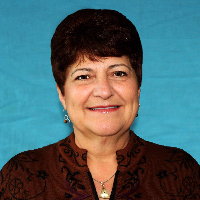
Alaska · 11 yrs exp
Licensed Clinical Social Worker - Anger and Anxiety
Stress, Anxiety · Relationship · Family · Trauma and abuse · +9 more
Read profile
Ohio · 17 yrs exp
Ohio LISW - Anger and relationships
Stress, Anxiety · Family · Parenting · Depression · +12 more
Read profile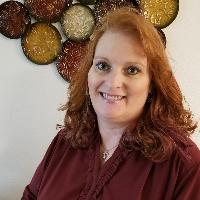
Idaho · 9 yrs exp
LCSW focused on anger and emotional regulation
Stress, Anxiety · Trauma and abuse · Anger · Depression · +13 more
Read profile
California · 20 yrs exp
Licensed Clinical Social Worker - Anger and Relationships
Stress, Anxiety · Relationship · Family · Parenting · +15 more
Read profileIf you are searching for help around Post-Traumatic Stress and its effects on anger or frustration, it can help to know what people commonly notice in daily life. Irritability, low tolerance for stress, sudden outbursts, persistent resentment and trouble concentrating are experiences that many people link with past traumatic events, ongoing stressors, or both. These reactions can show up at work, in friendships, and in intimate relationships. You might find yourself avoiding reminders, feeling on edge, or reacting more strongly than you expect to small triggers. None of this is a moral failing; these are responses that people often want to address with professional help.
It is important to avoid assuming that Post-Traumatic Stress is always the cause of angry feelings. For some people anger and frustration are separate concerns; for others they overlap. This page is intended to help you identify clinicians who list Post-Traumatic Stress as a focus alongside Anger, so you can look at how each clinician describes their approach to those overlapping issues and decide what fits your needs.
You may notice that stress from traumatic experiences and patterns of anger interact in different ways. For some people hyperarousal and heightened startle responses can make irritation and impatience more frequent. For others anger may be a way of coping with feelings of vulnerability, shame or helplessness that follow trauma. Resentment can build over time when people feel their boundaries were violated or their experiences were minimized by others. Anger can also be directed toward oneself, creating guilt that complicates recovery.
When exploring profiles, look for language that acknowledges that Post-Traumatic Stress and anger can be related but distinct. Therapists who list trauma-focused approaches among their options may describe working with emotion regulation, stress management, and interpersonal patterns. You will also find clinicians who list approaches such as cognitive-behavioral strategies, somatic work, or exposure-based methods among their approaches. The fact that an approach appears in a profile is not an endorsement of training or certification in that method; it is a starting point for a conversation about what the clinician offers.
When you review a profile and prepare to contact a clinician, having concrete questions can make an initial conversation more productive. You might ask how they describe their experience with Post-Traumatic Stress and anger-related concerns, asking for examples of the types of issues they commonly see and the populations they work with. A useful question is how they integrate work on anger and frustration with trauma-related symptoms, and whether they adapt their approach for things like high irritability or frequent outbursts.
Ask how the clinician documents the approaches they list. For instance, you can say that you noticed they list EMDR, cognitive-behavioral techniques or somatic methods among their approaches, and ask how they decide which option to use with a particular person. It is reasonable to ask about typical session structure, the kinds of goals others have set and whether they have experience collaborating with medical or legal professionals when that coordination is relevant. Make sure to ask what they expect from clients between sessions, how they handle safety concerns, and what would prompt a referral to another type of support.
If you are considering online work, there are specific practical and ethical topics to cover before beginning. You should discuss how the clinician manages emergencies and what steps to take if you ever feel at risk - if you are in immediate danger, contact emergency services or a domestic-abuse helpline in your area. Ask how they handle differences in time zone and what their policy is for missed sessions and cancellations. It is also appropriate to ask about the technology they use, how session recordings or notes are handled, and whether they can provide a recommended plan if you experience heightened crisis between appointments.
You may want to ask how a clinician adapts online methods for people with strong reactivity, such as techniques for grounding during a video call, ways to develop a short de-escalation routine, and how to involve a local support person if needed. Clarify the clinician’s experience with the legal or regulatory environment where you live, since practitioners in the US, UK and Australia are governed by different licensing or registration systems. Remember that online care is an option to discuss with a clinician and is not the same as a court-ordered anger-management course or a certification program.
Profiles are most useful when you approach them with specific comparison questions in mind. Begin by noting the listed location, which indicates the general area a clinician references for practice and time zone considerations. Look at the focus areas they mention and decide whether you want someone who lists both Post-Traumatic Stress and Anger or someone who separates those concerns. Pay attention to languages spoken if that matters to your care, and to any populations or age ranges the clinician highlights.
Examine credentials with care. Degrees such as PhD, PsyD, MD, MA and MSW indicate academic qualifications, but degree titles are not the same as professional permission to practice. In the US many clinicians hold state licenses such as Licensed Clinical Social Worker, Licensed Professional Counselor or Licensed Psychologist; in the UK and Australia practitioners may list registration, professional body membership, or other local qualifications. Profiles can show the credentials a clinician chooses to highlight, and you should ask about the current regulatory status and scope of practice during an initial conversation.
Style and therapeutic stance are also important. Some clinicians describe a direct, skills-oriented style while others emphasize a reflective, exploratory approach. Look for how they describe working with anger, whether they foreground emotion regulation, interpersonal repair, or trauma processing, and whether they mention collaborative planning or homework between sessions. Remember that the presence of an approach name in a profile indicates an area the clinician lists among their options to discuss, not proof of specific training or outcomes. Use profiles to narrow your choices and prepare focused questions so you can find a clinician whose approach and communication style feel like a good match for your needs.
Alabama
127 therapists
Alaska
17 therapists
Arizona
100 therapists
Arkansas
68 therapists
Australia
77 therapists
California
542 therapists
Colorado
154 therapists
Connecticut
78 therapists
Delaware
23 therapists
District of Columbia
16 therapists
Florida
854 therapists
Georgia
273 therapists
Hawaii
30 therapists
Idaho
48 therapists
Illinois
259 therapists
Indiana
114 therapists
Iowa
45 therapists
Kansas
55 therapists
Kentucky
109 therapists
Louisiana
166 therapists
Maine
41 therapists
Maryland
134 therapists
Massachusetts
95 therapists
Michigan
264 therapists
Minnesota
102 therapists
Mississippi
98 therapists
Missouri
225 therapists
Montana
51 therapists
Nebraska
34 therapists
Nevada
45 therapists
New Hampshire
19 therapists
New Jersey
175 therapists
New Mexico
41 therapists
New York
358 therapists
North Carolina
343 therapists
North Dakota
5 therapists
Ohio
224 therapists
Oklahoma
141 therapists
Oregon
54 therapists
Pennsylvania
292 therapists
Rhode Island
18 therapists
South Carolina
173 therapists
South Dakota
24 therapists
Tennessee
136 therapists
Texas
791 therapists
United Kingdom
1477 therapists
Utah
56 therapists
Vermont
13 therapists
Virginia
158 therapists
Washington
86 therapists
West Virginia
27 therapists
Wisconsin
123 therapists
Wyoming
18 therapists