
Audrey Kelly
LMFTOklahoma · 21 yrs exp
Licensed Marriage and Family Therapist - Relationships and Anger
Stress, Anxiety · Relationship · Family · Self esteem · +8 more
Read profileTherapists in the United States, United Kingdom and Australia
Need help right now?Therapist listings are provided by BetterHelp. We will earn a commission at no additional cost to you if you use our links to purchase.
Compare focus areas, therapeutic approaches, credentials, languages and listed location for therapists who list forgiveness among their specialties. Browse the profiles below to learn how each clinician describes their style, experience and ways of working with anger and forgiveness.
Oklahoma · 21 yrs exp
Licensed Marriage and Family Therapist - Relationships and Anger
Stress, Anxiety · Relationship · Family · Self esteem · +8 more
Read profile
South Carolina · 16 yrs exp
LMFT - Relationships and Anger support
Stress, Anxiety · Relationship · Family · Parenting · +14 more
Read profile
Texas · 13 yrs exp
LCSW - Anger and relationships
Stress, Anxiety · Relationship · Trauma and abuse · Anger · +11 more
Read profile
Michigan · 18 yrs exp
LMFT in Michigan - Anger and Relationship concerns
Stress, Anxiety · Relationship · Grief · Self esteem · +6 more
Read profile
Minnesota · 14 yrs exp
Minnesota LMFT - Relationships and Anger
Stress, Anxiety · Relationship · Family · Trauma and abuse · +8 more
Read profile
New York · 24 yrs exp
Licensed Clinical Social Worker - Anger and Stress
Stress, Anxiety · Relationship · Anger · Self esteem · +12 more
Read profile
Mississippi · 16 yrs exp
Licensed Professional Counselor - Relationships and Anger
Stress, Anxiety · Relationship · Family · Parenting · +6 more
Read profile
Connecticut · 48 yrs exp
LCSW - Relationships and Anger
Relationship · Family · Trauma and abuse · Parenting · +14 more
Read profile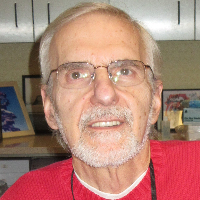
Illinois · 30 yrs exp
LCSW - Anger and life stressors
Trauma and abuse · Grief · Self esteem · Depression · +14 more
Read profile
Florida · 10 yrs exp
Licensed counselor - Anger and Addictions
Stress, Anxiety · Addictions · Anger · Depression · +12 more
Read profile
South Carolina · 9 yrs exp
Licensed counselor - Anger and mood concerns
Stress, Anxiety · Addictions · Trauma and abuse · Self esteem · +13 more
Read profile
Florida · 25 yrs exp
Licensed Mental Health Counselor - Relationships and Trauma
Relationship · Trauma and abuse · Grief · Anger · +12 more
Read profile
New Jersey · 5 yrs exp
Licensed Professional Counselor - Anger and Relationships
Stress, Anxiety · Relationship · Family · Anger · +12 more
Read profile
Florida · 7 yrs exp
Licensed counselor - Anger and addictions
Addictions · Relationship · Family · Trauma and abuse · +13 more
Read profile
Illinois · 25 yrs exp
Licensed Clinical Social Worker - Anger and Mood
Stress, Anxiety · Relationship · Grief · Depression · +10 more
Read profile
Arizona · 23 yrs exp
Licensed counselor - Anger and mood concerns
Stress, Anxiety · Self esteem · Depression · Coping with life changes · +16 more
Read profile
Michigan · 5 yrs exp
Licensed Professional Counselor - Anger and Life Changes
Stress, Anxiety · Relationship · Family · Self esteem · +12 more
Read profile
Rhode Island · 18 yrs exp
LMHC - Stress and Relationship concerns
Stress, Anxiety · Relationship · Trauma and abuse · Grief · +12 more
Read profile
Pennsylvania · 12 yrs exp
LPCC LMHC - Anger and Relationship concerns
Stress, Anxiety · Relationship · Self esteem · Depression · +11 more
Read profile
Arizona · 6 yrs exp
Licensed Professional Counselor - Stress and Relationships
Stress, Anxiety · Relationship · Family · Self esteem · +11 more
Read profile
Texas · 22 yrs exp
Licensed Professional Counselor - Anger, Stress
Stress, Anxiety · Grief · Career · Depression · +9 more
Read profile
Hawaii · 7 yrs exp
Licensed Marriage and Family Therapist - Anger and Relationships
Stress, Anxiety · Addictions · Relationship · Family · +11 more
Read profile
Missouri · 16 yrs exp
LCSW - Anger and Mood Concerns
Stress, Anxiety · Trauma and abuse · Self esteem · Bipolar · +12 more
Read profile
Missouri · 7 yrs exp
Licensed Professional Counselor - Anger and Addiction
Stress, Anxiety · Addictions · Relationship · Self esteem · +13 more
Read profile
New York · 35 yrs exp
LCSW in New York - Anger and Stress support
Stress, Anxiety · Self esteem · Career · ADHD · +10 more
Read profile
Oregon · 32 yrs exp
Licensed Marriage and Family Therapist - Anger and Relationships
Stress, Anxiety · Relationship · Trauma and abuse · Grief · +9 more
Read profile
Arizona · 20 yrs exp
Arizona psychologist - Anger and mood concerns
Stress, Anxiety · Addictions · Grief · Self esteem · +14 more
Read profile
Minnesota · 23 yrs exp
Licensed Marriage and Family Therapist - Relationships and Anger
Stress, Anxiety · Relationship · Trauma and abuse · Self esteem · +13 more
Read profile
Georgia · 18 yrs exp
Licensed Professional Counselor - Anger and Relationships
Stress, Anxiety · Relationship · Family · Trauma and abuse · +10 more
Read profile
Florida · 30 yrs exp
Licensed Mental Health Counselor - Mood and Anger issues
Stress, Anxiety · Trauma and abuse · Bipolar · Depression · +16 more
Read profile
Louisiana · 16 yrs exp
LCSW in Louisiana - Mood and relationship concerns
Stress, Anxiety · Relationship · Trauma and abuse · Bipolar · +16 more
Read profile
Louisiana · 22 yrs exp
Licensed counselor and therapist - Anger and relationships
Stress, Anxiety · Relationship · Family · Grief · +11 more
Read profile
Florida · 10 yrs exp
Licensed Clinical Social Worker - Anger and relationships
Stress, Anxiety · Addictions · Family · Grief · +8 more
Read profile
Michigan · 35 yrs exp
Licensed Master Social Worker - Anger and Relationships
Stress, Anxiety · Addictions · Trauma and abuse · Self esteem · +3 more
Read profile
North Carolina · 20 yrs exp
Licensed Professional Counselor - Anger and Relationships
Stress, Anxiety · Relationship · Family · Self esteem · +9 more
Read profile
Texas · 21 yrs exp
LCSW - Anger and Relationship concerns
Stress, Anxiety · Relationship · Trauma and abuse · Intimacy-related issues · +15 more
Read profile
Georgia · 19 yrs exp
Licensed Professional Counselor - Anger and Relationship Concerns
Stress, Anxiety · Addictions · Trauma and abuse · Self esteem · +11 more
Read profile
Illinois · 25 yrs exp
Licensed Clinical Social Worker - Anger and Stress
Stress, Anxiety · Self esteem · Career · Coping with life changes · +10 more
Read profile
Florida · 30 yrs exp
Florida clinical psychologist - Anger and mood concerns
Stress, Anxiety · Grief · Anger · Depression · +15 more
Read profile
Wisconsin · 11 yrs exp
Licensed Professional Counselor - Anger and Relationships
Stress, Anxiety · Family · Trauma and abuse · Depression · +12 more
Read profile
Louisiana · 14 yrs exp
LCSW - Anger and trauma concerns
Stress, Anxiety · Anger · Self esteem · Depression · +9 more
Read profile
Mississippi · 12 yrs exp
LCSW - anger and mood concerns
Stress, Anxiety · Addictions · Anger · Self esteem · +12 more
Read profile
Florida · 10 yrs exp
Licensed Mental Health Counselor - Anger and Relationships
Stress, Anxiety · Family · Parenting · Self esteem · +10 more
Read profile
Texas · 23 yrs exp
LPC counselor - relationships and anger
Stress, Anxiety · Relationship · Self esteem · Career · +11 more
Read profile
Pennsylvania · 6 yrs exp
Licensed Professional Counselor - Anger and Relationships
Stress, Anxiety · LGBT · Relationship · Self esteem · +15 more
Read profile
Georgia · 20 yrs exp
Licensed Professional Counselor - Anger and Addictions
Stress, Anxiety · Addictions · Anger · Bipolar · +10 more
Read profile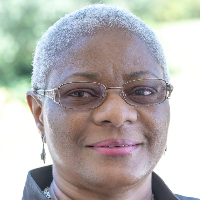
Florida · 19 yrs exp
Licensed Mental Health Counselor - Anger and Stress
Stress, Anxiety · Family · Grief · Depression · +12 more
Read profile
Georgia · 22 yrs exp
LPC in Georgia - Anger and Stress work
Stress, Anxiety · Addictions · Trauma and abuse · Parenting · +11 more
Read profile
Nebraska · 25 yrs exp
LMHP - Anger and Stress Support
Stress, Anxiety · Family · Trauma and abuse · Parenting · +12 more
Read profile
Texas · 20 yrs exp
LICSW LCSW - Stress and Anger work
Stress, Anxiety · Addictions · Family · Grief · +15 more
Read profile
Michigan · 25 yrs exp
LMSW - Anger and relationship concerns
Stress, Anxiety · Family · Trauma and abuse · Parenting · +10 more
Read profile
Florida · 20 yrs exp
Florida LMHC - Stress and Anger
Stress, Anxiety · Grief · Self esteem · Depression · +9 more
Read profile
Arkansas · 23 yrs exp
Licensed Professional Counselor - Anger and Relationships
Stress, Anxiety · Trauma and abuse · Anger · Self esteem · +11 more
Read profile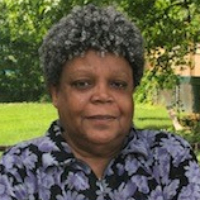
Virginia · 47 yrs exp
Virginia LCSW - Anger and Relationships
Stress, Anxiety · Relationship · Grief · Self esteem · +10 more
Read profile
Florida · 29 yrs exp
Dr Martha Groble - LPCC, LMHC, mood and anger concerns
Stress, Anxiety · Trauma and abuse · Grief · Career · +7 more
Read profile
Illinois · 20 yrs exp
LCSW helping adults with anger and relationships
Stress, Anxiety · Grief · Self esteem · Depression · +11 more
Read profile
Louisiana · 10 yrs exp
Licensed Professional Counselor - Anger and Relationships
Stress, Anxiety · Trauma and abuse · Anger · Self esteem · +12 more
Read profile
Ohio · 17 yrs exp
Ohio LISW - Anger and relationships
Stress, Anxiety · Family · Parenting · Depression · +12 more
Read profile
Illinois · 38 yrs exp
Licensed Clinician - Anger and Life Stress
Stress, Anxiety · Self esteem · Depression · Coping with life changes · +9 more
Read profile
New York · 25 yrs exp
Licensed Clinical Social Worker - Anger and Relationships
Stress, Anxiety · Relationship · Self esteem · Depression · +12 more
Read profileForgiveness is often discussed alongside anger because the two can be deeply intertwined in experience. You might find yourself dealing with irritability, repeated resentments, sudden outbursts or ongoing stress that affects how you relate to others at work and at home. Those reactions can be responses to perceived injustice, ongoing conflict, or past hurts that feel unresolved. Forgiveness-focused conversations in therapy usually look at what holding on to resentment does for you and what letting go might allow, without implying that you must forgive or that forgiveness will fix what happened.
When you read profiles, notice how therapists describe their understanding of anger and forgiveness. Some describe forgiveness as a personal process that can reduce the intensity of resentment for the individual. Others frame it as part of repairing relationships or setting boundaries. None of these approaches guarantees a particular outcome, but seeing how a clinician frames the relationship between anger and forgiveness will help you decide whether their perspective fits what you want to address.
Forgiveness-related work may be offered alongside care that addresses irritability, workplace conflicts, family tensions or stress management. In profiles you will see phrases about managing outbursts, understanding triggers, and exploring the role of resentment in everyday life. That does not mean forgiveness is the only focus - it may be one strand within broader anger work. You should expect a therapist to describe whether they emphasize emotion regulation, meaning-making, restorative practices, or communication skills as part of their approach.
If you are worried about safety for yourself or others, mention that immediately. Anyone in danger should contact local emergency services or a domestic-abuse helpline. Forgiveness work is not a substitute for immediate safety planning or legal advice. When reading profiles, look for language that aligns with how you want to address both your feelings and practical concerns such as boundaries and safety planning.
When you explore profiles, prepare concrete questions that reveal how a clinician might work with your situation. Ask how they define forgiveness and what role they see it playing in anger or resentment. Ask whether they have experience with repeated irritability or workplace-related conflict, and how they balance attention to immediate coping strategies with deeper exploration of past hurts. Ask which approaches they list as part of their practice - for example, therapists who list CBT among their approaches may focus on thinking patterns, while those who list mindfulness may emphasize presence and emotional awareness. Remember that a profile listing an approach is not evidence of specialized certification; it is a starting point for conversation.
Also ask about clinical background. Degrees such as PhD, PsyD, MD, MA or MSW indicate academic training but do not by themselves confirm current permission to practice. In the United States, clinicians typically hold a state license such as LCSW, LMFT or LPC; in the UK and Australia clinicians commonly report registration or membership with relevant professional bodies or associations. Asking how a clinician’s education, registration or licensing relates to the services they offer will help you understand their formal standing and professional context.
If you are considering online care, there are specific topics to cover before beginning. Discuss the technology platform and what happens if a session is interrupted. Clarify session length, communication preferences between meetings, and cancellation or rescheduling terms. Ask whether they will work with you across jurisdictions - some clinicians limit work to clients within the same state, country or region due to regulations, while others do not. Speak directly about how emergencies are handled, what resources they can provide locally and whether they will collaborate with other professionals when appropriate.
Language and cultural fit are also important for online work. If you prefer therapy in a language other than English or want a clinician familiar with specific cultural norms, look for that information in profiles and ask about it directly. Discussing expectations about how forgiveness will be addressed - whether as a personal practice, a relational repair process, or part of trauma-informed care - helps you avoid misaligned assumptions before sessions begin.
Profiles offer several fields you can use to compare clinicians in a concrete way. Look at stated focus areas to see whether forgiveness is presented as a primary focus or an additional emphasis alongside anger, resentment, stress or relationship concerns. Pay attention to the languages listed, since being able to speak in your preferred language can make sensitive work feel more accessible. Review how a clinician describes their style - whether they emphasize practical skills, reflective work, narrative exploration, or a supportive listening stance - and think about which style feels most likely to align with your needs.
When you compare credentials, distinguish degrees from permission to practice. A PhD, PsyD, MD, MA or MSW describes academic preparation; licenses, registrations or association memberships describe professional authorization and oversight in different regions. Use listed location to understand time zone and regional context, and consider how a clinician’s stated experience with workplace issues, family dynamics or trauma overlaps with your priorities. Finally, look for practical indicators such as notes about populations served, typical session focus, and whether they describe working with irritability, outbursts or ongoing resentment. These details will help you shortlist profiles to contact so you can ask the specific questions that matter to you.
Choosing a clinician to work with on forgiveness and anger is a personal decision that benefits from careful comparison. Use profiles to gather factual information about focus areas, language, credentials and listed location, and then reach out to discuss the concrete questions that appear in your mind. That combination of measurable details and direct conversation will give you the clearest sense of whether a clinician’s approach and experience align with what you want to explore.
Remember that a listed topic in a profile indicates interest or experience but not specific outcomes or training credentials. Discuss scope of practice and the therapist’s approach to questions such as irritability, outbursts, workplace stress and relationship impact before you begin. If you are in immediate danger, call local emergency services or contact a domestic-abuse helpline for urgent assistance. Otherwise, take the time to compare profiles and ask targeted questions so you can make a choice that fits your needs and context.
Alabama
127 therapists
Alaska
17 therapists
Arizona
100 therapists
Arkansas
68 therapists
Australia
77 therapists
California
542 therapists
Colorado
154 therapists
Connecticut
78 therapists
Delaware
23 therapists
District of Columbia
16 therapists
Florida
854 therapists
Georgia
273 therapists
Hawaii
30 therapists
Idaho
48 therapists
Illinois
259 therapists
Indiana
114 therapists
Iowa
45 therapists
Kansas
55 therapists
Kentucky
109 therapists
Louisiana
166 therapists
Maine
41 therapists
Maryland
134 therapists
Massachusetts
95 therapists
Michigan
264 therapists
Minnesota
102 therapists
Mississippi
98 therapists
Missouri
225 therapists
Montana
51 therapists
Nebraska
34 therapists
Nevada
45 therapists
New Hampshire
19 therapists
New Jersey
175 therapists
New Mexico
41 therapists
New York
358 therapists
North Carolina
343 therapists
North Dakota
5 therapists
Ohio
224 therapists
Oklahoma
141 therapists
Oregon
54 therapists
Pennsylvania
292 therapists
Rhode Island
18 therapists
South Carolina
173 therapists
South Dakota
24 therapists
Tennessee
136 therapists
Texas
791 therapists
United Kingdom
1477 therapists
Utah
56 therapists
Vermont
13 therapists
Virginia
158 therapists
Washington
86 therapists
West Virginia
27 therapists
Wisconsin
123 therapists
Wyoming
18 therapists