
Velma Jones
LCSWNew York · 29 yrs exp
Licensed Clinical Social Worker - Anger, Relationships
Stress, Anxiety · Relationship · Trauma and abuse · Depression · +10 more
Read profileTherapists in the United States, United Kingdom and Australia
Need help right now?Therapist listings are provided by BetterHelp. We will earn a commission at no additional cost to you if you use our links to purchase.
Compare focus areas, therapeutic approaches, languages and credentials for professionals who list anger and frustration in New York. Browse profiles to learn more and contact individual listings to confirm permission to work together where you live.
New York · 29 yrs exp
Licensed Clinical Social Worker - Anger, Relationships
Stress, Anxiety · Relationship · Trauma and abuse · Depression · +10 more
Read profile
New York · 24 yrs exp
Licensed Clinical Social Worker - Anger and Stress
Stress, Anxiety · Relationship · Anger · Self esteem · +12 more
Read profile
New York · 5 yrs exp
LMHC - mood and anger concerns
Stress, Anxiety · LGBT · Trauma and abuse · Bipolar · +12 more
Read profile
New York · 15 yrs exp
LCPC LMHC - Anger and anxiety support
Stress, Anxiety · Trauma and abuse · Grief · Self esteem · +16 more
Read profile
New York · 35 yrs exp
LCSW in New York - Anger and Stress support
Stress, Anxiety · Self esteem · Career · ADHD · +10 more
Read profile
New York · 36 yrs exp
LMHC in New York - Anger and Stress
Stress, Anxiety · Family · Parenting · Self esteem · +7 more
Read profile
New York · 25 yrs exp
Licensed Clinical Social Worker - Anger and Relationships
Stress, Anxiety · Relationship · Self esteem · Depression · +12 more
Read profile
New York · 25 yrs exp
Licensed Clinical Social Worker - Anger and Relationships
Stress, Anxiety · Relationship · Family · Trauma and abuse · +15 more
Read profile
New York · 20 yrs exp
Licensed Mental Health Counselor - Stress and Relationships
Stress, Anxiety · Relationship · Family · Self esteem · +15 more
Read profile
New York · 7 yrs exp
Licensed Clinical Social Worker - Anger and Mood
Stress, Anxiety · Trauma and abuse · Self esteem · Bipolar · +6 more
Read profile
New York · 25 yrs exp
LCSW in New York - anger and relationship concerns
Family · Trauma and abuse · Grief · Parenting · +13 more
Read profile
New York · 17 yrs exp
Licensed counselor - Anger and mood concerns
Stress, Anxiety · Self esteem · Career · Depression · +14 more
Read profile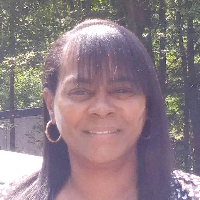
New York · 20 yrs exp
LCSW - Anger and Stress work
Stress, Anxiety · Addictions · Relationship · Self esteem · +9 more
Read profile
New York · 13 yrs exp
Licensed Clinical Social Worker - Anger and Anxiety
Stress, Anxiety · Trauma and abuse · Depression · Coaching · +13 more
Read profile
New York · 27 yrs exp
LCSW - stress and anger issues
Stress, Anxiety · Family · Trauma and abuse · Bipolar · +10 more
Read profile
New York · 23 yrs exp
LMHC in New York - Anger and Mood concerns
Stress, Anxiety · Addictions · Career · Depression · +10 more
Read profile
New York · 30 yrs exp
Licensed clinical social worker - Anger and grief
Stress, Anxiety · Grief · Self esteem · Depression · +13 more
Read profile
New York · 8 yrs exp
Licensed social worker - Anger and relationships
Stress, Anxiety · Relationship · Anger · Self esteem · +12 more
Read profile
New York · 6 yrs exp
Licensed Mental Health Counselor - Anger and Relationships
Stress, Anxiety · Family · Self esteem · Depression · +16 more
Read profile
New York · 10 yrs exp
Licensed Clinical Social Worker - Anger and Stress
Stress, Anxiety · Addictions · Anger · Coping with life changes · +6 more
Read profile
New York · 25 yrs exp
LMHC in New York - Anger and Mood concerns
Stress, Anxiety · Family · Anger · Bipolar · +12 more
Read profile
New York · 25 yrs exp
New York psychologist - anger and mood concerns
Stress, Anxiety · Addictions · Bipolar · Depression · +11 more
Read profile
New York · 21 yrs exp
LMHC in New York - Anger and Stress
Stress, Anxiety · Addictions · Anger · Self esteem · +5 more
Read profile
New York · 12 yrs exp
Licensed social worker - Anger and life changes
Addictions · Career · Coping with life changes · Coaching · +4 more
Read profile
New York · 14 yrs exp
Licensed Clinical Social Worker - Anger and Relationships
Stress, Anxiety · Addictions · Relationship · Bipolar · +15 more
Read profile
New York · 4 yrs exp
Licensed Marriage and Family Therapist - Relationships and Anger
Stress, Anxiety · Relationship · Family · Self esteem · +12 more
Read profile
New York · 15 yrs exp
LMHC in New York - Anger and Anxiety
Stress, Anxiety · Relationship · Family · Trauma and abuse · +1 more
Read profile
New York · 3 yrs exp
Licensed Clinical Social Worker - Anger and Anxiety
Stress, Anxiety · Family · Parenting · Anger · +1 more
Read profile
New York · 22 yrs exp
LCSW - Anger and trauma focused
Stress, Anxiety · Family · Trauma and abuse · Anger · +8 more
Read profile
New York · 19 yrs exp
Licensed mental health counselor - Anger and anxiety
Stress, Anxiety · Family · Parenting · ADHD · +3 more
Read profile
New York · 40 yrs exp
LCSW-R - Anger and Trauma focused
Stress, Anxiety · Trauma and abuse · Parenting · Anger · +1 more
Read profile
New York · 9 yrs exp
Licensed mental health counselor - Anxiety and Anger
Stress, Anxiety · Trauma and abuse · Anger · Self esteem · +1 more
Read profile
New York · 30 yrs exp
New York LMFT - relationships and anger
Addictions · Relationship · Family · Parenting · +7 more
Read profile
New York · 20 yrs exp
Licensed Mental Health Counselor - Anger and Relationships
Stress, Anxiety · Family · Parenting · Self esteem · +10 more
Read profile
New York · 26 yrs exp
Licensed Clinical Social Worker - Anger and Relationships
Stress, Anxiety · Relationship · Parenting · Self esteem · +12 more
Read profile
New York · 16 yrs exp
Licensed Mental Health Counselor - Anger and Relationships
Stress, Anxiety · Family · Self esteem · Depression · +5 more
Read profile
New York · 14 yrs exp
Licensed Mental Health Counselor - Anger and Relationships
Stress, Anxiety · Relationship · Family · Parenting · +9 more
Read profile
New York · 30 yrs exp
Licensed social worker - Anger and anxiety
Stress, Anxiety · Relationship · Parenting · Self esteem · +6 more
Read profile
New York · 10 yrs exp
Licensed Clinical Social Worker - Anger and Mood
Stress, Anxiety · LGBT · Sleeping · Anger · +7 more
Read profile
New York · 10 yrs exp
LMHC in New York - Anger and Trauma
Stress, Anxiety · Trauma and abuse · Self esteem · Depression · +11 more
Read profile
New York · 13 yrs exp
LMHC - Anger and Trauma focused
Relationship · Trauma and abuse · Grief · Self esteem · +9 more
Read profile
New York · 28 yrs exp
Licensed clinical social worker - Relationships and anger
Stress, Anxiety · Relationship · Family · Trauma and abuse · +16 more
Read profile
New York · 26 yrs exp
Licensed Clinical Social Worker - Anger and Relationships
Stress, Anxiety · Family · Parenting · Career · +5 more
Read profile
New York · 11 yrs exp
Licensed Mental Health Counselor - Anger and Mood
Stress, Anxiety · Anger · Bipolar · Depression · +11 more
Read profile
New York · 18 yrs exp
LMFT in New York - Anger and Relationships
Stress, Anxiety · Relationship · Family · Intimacy-related issues · +12 more
Read profile
New York · 10 yrs exp
LCSW - Anger and relationship concerns
Stress, Anxiety · Relationship · Trauma and abuse · Self esteem · +9 more
Read profile
New York · 9 yrs exp
Licensed Mental Health Counselor - Anger and Relationships
Stress, Anxiety · Relationship · Family · Parenting · +10 more
Read profile
New York · 23 yrs exp
Dr. Victor Franco, LMHC - Anxiety and Anger
Stress, Anxiety · Addictions · LGBT · Trauma and abuse · +11 more
Read profile
New York · 10 yrs exp
Licensed Mental Health Counselor - Anger and Relationships
Stress, Anxiety · Family · Parenting · Self esteem · +13 more
Read profile
New York · 10 yrs exp
NY Psychologist - Anger and Anxiety
Stress, Anxiety · Family · Trauma and abuse · Self esteem · +9 more
Read profile
New York · 6 yrs exp
Licensed Mental Health Counselor - Anger and Mood concerns
Stress, Anxiety · Self esteem · Bipolar · Depression · +13 more
Read profile
New York · 8 yrs exp
Licensed counselor - Anger and anxiety care
Stress, Anxiety · Trauma and abuse · Grief · Self esteem · +14 more
Read profile
New York · 25 yrs exp
Licensed Clinical Social Worker - Anger and Anxiety
Stress, Anxiety · Relationship · Family · Self esteem · +14 more
Read profile
New York · 25 yrs exp
Licensed Mental Health Counselor - Anger and trauma
Stress, Anxiety · Trauma and abuse · Self esteem · Career · +15 more
Read profile
New York · 12 yrs exp
Licensed Clinical Social Worker - Anger and Relationships
Stress, Anxiety · Self esteem · Bipolar · Depression · +9 more
Read profile
New York · 17 yrs exp
Licensed counselor - Anger and mood concerns
Eating · Sleeping · Bipolar · ADHD · +7 more
Read profile
New York · 11 yrs exp
LMHC in New York - Anger and Life Transitions
Stress, Anxiety · Grief · Self esteem · Relationship · +8 more
Read profile
New York · 10 yrs exp
Licensed Mental Health Counselor - Anger and Addiction
Stress, Anxiety · Addictions · Relationship · Depression · +10 more
Read profile
New York · 24 yrs exp
Licensed counselor - anger and relationships
Stress, Anxiety · Addictions · Relationship · Family · +14 more
Read profile
New York · 17 yrs exp
LMFT specializing in relationships and anger
Stress, Anxiety · LGBT · Relationship · Self esteem · +12 more
Read profileFeeling frequent irritability, sudden outbursts, or a persistent sense of resentment can affect how you live, work and relate to others. You might notice that stress tightens your patience, that arguments repeat with the same themes, or that anger leaves you exhausted afterwards. These experiences do not mean there is something wrong with you; they are signals that certain patterns or situations are causing strain. In practical terms, people search for a therapist when anger is impacting relationships, performance at work, sleep, or your sense of safety and wellbeing.
If anger shows up as threats or actions that could harm you or someone else, take immediate steps to get help. Anyone in danger should contact emergency services or a domestic-abuse helpline in their area. Therapy can be part of a longer plan to understand triggers and build alternatives to outbursts, but it is not a quick fix and cannot promise to stop anger or repair a relationship on its own. As you read profiles in the listed location New York, keep in mind that the presence of anger as a listed specialty indicates an interest in the topic, not a guarantee of a specific service or outcome.
Profiles under New York show where a professional has chosen to appear, but a listed location does not by itself prove that a clinician maintains an office there or can work with people in every neighborhood. You should check each profile carefully and contact the clinician directly to confirm permission to work together where you live. This is especially important if you are outside the United States or in another state, because the rules about practicing across borders vary.
Academic degrees such as PhD, PsyD, MD, MA or MSW describe education. Those degrees are distinct from professional permission to practice. In the United States clinicians often hold state professional licenses with initials like LCSW, LMFT or LPC, or they may be licensed psychologists. In the United Kingdom and Australia professionals may be registered with a national regulator or be members of recognised professional organisations, which is different from the US licensing framework. A degree alone does not establish current permission to practice. When a profile lists credentials, look for clear information about licensure, registration or membership and ask the clinician to confirm their current status and the places where they may legally provide care.
When you compare profiles, consider what you would need from sessions and ask questions that get specific answers. You might ask how the clinician understands anger in the context of your situation - for example, whether they see it as linked to stress, unresolved hurt, learned reactions, or trauma. Ask whether they have experience working with the type of anger you are experiencing, such as workplace irritability, family outbursts, or long-standing resentment. If you want to explore particular techniques, you can ask how the clinician uses those approaches in practice, phrasing it as, "How do you use approaches like CBT or mindfulness when someone lists anger as a concern?" Remember that a profile may list approaches; this tells you the clinician includes that approach among their options, not that they hold specific certifications in it.
It can also help to ask about population experience, such as whether the clinician works with people from particular cultural backgrounds, age groups, or life circumstances that match yours. You may want to know how they structure work around goals - will you and the clinician identify specific situations to practice with, or do they take a more exploratory route to understand underlying patterns? Asking for a brief description of a typical first few meetings can clarify whether the clinician's style feels like a fit for you.
If you are considering online sessions, there are practical and legal details to clarify before beginning. Ask whether the clinician is permitted to provide care to people in your state or country and how they handle cross-jurisdictional practice. You should also discuss what happens in a crisis - who to contact locally and how the clinician will respond if you are in immediate danger. Technology and comfort are valid concerns - ask what platform they use, what steps they recommend to maintain privacy on your end, and what to do if a connection drops during a meeting. Note that online talk therapy is not the same as a court-ordered anger-management course or certificate, and it should not be represented as such.
Another important conversation is scope of practice. A listed topic like anger does not establish that the clinician treats children, couples, or families. If you need family or couples work, or if you are seeking services for a minor, discuss whether the clinician accepts those types of clients and what additional permissions or consents may be needed. Ask about session length, the clinician's approach to follow-up between meetings, and how they measure progress in a way that matters to you.
Profiles can vary in what they highlight. Some will emphasise specific focus areas such as workplace anger, trauma-related irritability, or intergenerational patterns of resentment. Others may list populations they commonly work with, such as veterans, parents, or professionals. If language access matters to you, look for profiles that explicitly list the languages practitioners use and ask whether services will be offered in a language you prefer. This may be particularly important when anger is tied to cultural contexts or when nuanced expression matters.
When comparing credentials, separate academic degrees from professional permission to practice. A profile that shows a PhD or MSW indicates educational background. A profile that states state licensure, registration with a national body, or professional membership indicates the clinician has met specific regulatory or organisational requirements, though requirements differ by country. Style is harder to summarise but can be inferred from how a clinician writes about their work - whether they describe structured skill practice, reflective exploration, or a combined approach - and by the concrete examples they provide of what an initial series of meetings might look like. To refine comparisons, use direct questions: Which profiles indicate experience with the particular situations that trouble you? Who explicitly mentions work in your preferred language? Which clinicians describe a way of working that matches how you like to talk about difficult feelings?
Ultimately, profiles are a starting point for conversations. Use them to narrow possibilities, then reach out to individual profiles to ask the specific questions that matter to you and to confirm permission to work together where you live. This step helps you move from reading descriptions to finding a clinician whose approach, focus and professional standing align with your needs.
Browsing profiles in the New York listed location can help you compare options, but it does not replace a direct conversation with a clinician. If you are at immediate risk or fear for your safety, call emergency services or a domestic-abuse helpline right away. For non-urgent concerns about irritability, outbursts or resentment, focused questions about approach, experience, jurisdiction and style will help you make informed choices as you explore professional support.
Addictions
5312 therapists
ADHD
4911 therapists
Chronic Pain
1776 therapists
Control Issues
3907 therapists
Depression
8361 therapists
Domestic Violence
2683 therapists
Grief
7210 therapists
Guilt and Shame
5604 therapists
Impulsivity
3235 therapists
Isolation / Loneliness
5250 therapists
Midlife Crisis
3354 therapists
Mood Disorders
4356 therapists
Post-Traumatic Stress
4634 therapists
Self Esteem
8209 therapists
Sleeping Disorders
2876 therapists
Stress & Anxiety
8738 therapists
Trauma and Abuse
7407 therapists
Blended Family Issues
2871 therapists
Career
5739 therapists
Caregiver Issues and Stress
3880 therapists
Codependency
3486 therapists
Communication Problems
6004 therapists
Compassion Fatigue
4851 therapists
Coping with Life Changes
7745 therapists
Divorce
4111 therapists
Family
7264 therapists
Family of Origin Issues
2675 therapists
Fatherhood Issues
1838 therapists
First Responder Issues
1715 therapists
Forgiveness
5013 therapists
Infidelity
2726 therapists
Jealousy
2722 therapists
Money and Financial Issues
2234 therapists
Parenting
6239 therapists
Relationship
7656 therapists
Workplace Issues
4226 therapists