
Maya Neal
LMFTSouth Carolina · 16 yrs exp
LMFT - Relationships and Anger support
Stress, Anxiety · Relationship · Family · Parenting · +14 more
Read profileTherapists in the United States, United Kingdom and Australia
Need help right now?Therapist listings are provided by BetterHelp. We will earn a commission at no additional cost to you if you use our links to purchase.
This collection groups profiles of clinicians who list Sleeping Disorders alongside anger and frustration as areas of focus. Use the profile details to compare approaches, credentials, languages, and listed location, then browse profiles to learn more about potential matches.
South Carolina · 16 yrs exp
LMFT - Relationships and Anger support
Stress, Anxiety · Relationship · Family · Parenting · +14 more
Read profile
Texas · 13 yrs exp
LCSW - Anger and relationships
Stress, Anxiety · Relationship · Trauma and abuse · Anger · +11 more
Read profile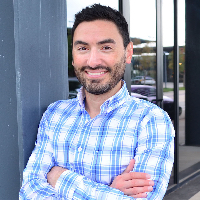
Kansas · 15 yrs exp
Licensed counselor - Anger and relationships
Stress, Anxiety · Relationship · Family · Trauma and abuse · +14 more
Read profile
New York · 24 yrs exp
Licensed Clinical Social Worker - Anger and Stress
Stress, Anxiety · Relationship · Anger · Self esteem · +12 more
Read profile
North Carolina · 51 yrs exp
LCMHC counselor - Relationships and Anger
Relationship · Intimacy-related issues · Parenting · Self esteem · +12 more
Read profile
Connecticut · 48 yrs exp
LCSW - Relationships and Anger
Relationship · Family · Trauma and abuse · Parenting · +14 more
Read profile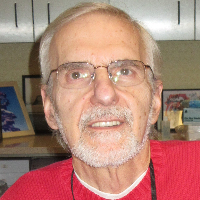
Illinois · 30 yrs exp
LCSW - Anger and life stressors
Trauma and abuse · Grief · Self esteem · Depression · +14 more
Read profile
Florida · 10 yrs exp
Licensed counselor - Anger and Addictions
Stress, Anxiety · Addictions · Anger · Depression · +12 more
Read profile
South Carolina · 9 yrs exp
Licensed counselor - Anger and mood concerns
Stress, Anxiety · Addictions · Trauma and abuse · Self esteem · +13 more
Read profile
Florida · 25 yrs exp
Licensed Mental Health Counselor - Relationships and Trauma
Relationship · Trauma and abuse · Grief · Anger · +12 more
Read profile
Florida · 7 yrs exp
Licensed counselor - Anger and addictions
Addictions · Relationship · Family · Trauma and abuse · +13 more
Read profile
Florida · 25 yrs exp
LMHC in Florida - Anger and Mood concerns
Stress, Anxiety · Family · Grief · Self esteem · +12 more
Read profile
Arizona · 23 yrs exp
Licensed counselor - Anger and mood concerns
Stress, Anxiety · Self esteem · Depression · Coping with life changes · +16 more
Read profile
New York · 15 yrs exp
LCPC LMHC - Anger and anxiety support
Stress, Anxiety · Trauma and abuse · Grief · Self esteem · +16 more
Read profile
Rhode Island · 18 yrs exp
LMHC - Stress and Relationship concerns
Stress, Anxiety · Relationship · Trauma and abuse · Grief · +12 more
Read profile
Florida · 11 yrs exp
Dr. Sarah Walker, LMFT - Anger and Relationship support
Stress, Anxiety · Relationship · Family · Depression · +13 more
Read profile
Georgia · 12 yrs exp
LPC and LMHC - Anger and Life Changes
Stress, Anxiety · Grief · Self esteem · Depression · +9 more
Read profile
Florida · 13 yrs exp
Licensed counselor - Anger and mood concerns
Stress, Anxiety · Anger · Depression · Coping with life changes · +13 more
Read profile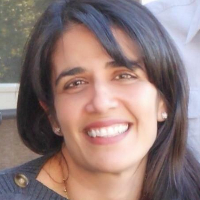
Florida · 3 yrs exp
Licensed Mental Health Counselor - Stress and Anger
Stress, Anxiety · Addictions · LGBT · Relationship · +12 more
Read profile
Florida · 30 yrs exp
Licensed Mental Health Counselor - Mood and Anger issues
Stress, Anxiety · Trauma and abuse · Bipolar · Depression · +16 more
Read profile
Louisiana · 16 yrs exp
LCSW in Louisiana - Mood and relationship concerns
Stress, Anxiety · Relationship · Trauma and abuse · Bipolar · +16 more
Read profile
Texas · 21 yrs exp
LCSW - Anger and Relationship concerns
Stress, Anxiety · Relationship · Trauma and abuse · Intimacy-related issues · +15 more
Read profile
Texas · 8 yrs exp
Licensed Professional Counselor - Stress and Anger
Stress, Anxiety · Grief · Self esteem · Career · +11 more
Read profile
Louisiana · 10 yrs exp
Licensed Professional Counselor - Anger and Anxiety
Stress, Anxiety · Grief · Anger · Depression · +8 more
Read profile
Montana · 16 yrs exp
LCPC counselor - Anger and life stress
Stress, Anxiety · Relationship · Self esteem · Depression · +11 more
Read profile
Georgia · 19 yrs exp
Licensed Professional Counselor - Anger and Relationship Concerns
Stress, Anxiety · Addictions · Trauma and abuse · Self esteem · +11 more
Read profile
Texas · 6 yrs exp
Licensed Professional Counselor - Anger and Addiction
Stress, Anxiety · Addictions · Relationship · Trauma and abuse · +12 more
Read profile
Florida · 22 yrs exp
Clinical Social Worker - Stress and Anger
Stress, Anxiety · Self esteem · Depression · Coping with life changes · +5 more
Read profile
Illinois · 25 yrs exp
Licensed Clinical Social Worker - Anger and Stress
Stress, Anxiety · Self esteem · Career · Coping with life changes · +10 more
Read profile
Louisiana · 20 yrs exp
Licensed counselor - Anger and mood concerns
Stress, Anxiety · Addictions · Eating · Depression · +14 more
Read profile
Florida · 30 yrs exp
Florida clinical psychologist - Anger and mood concerns
Stress, Anxiety · Grief · Anger · Depression · +15 more
Read profile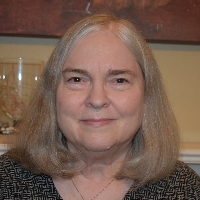
Texas · 20 yrs exp
Licensed Professional Counselor - Stress and Trauma
Stress, Anxiety · Trauma and abuse · Self esteem · Depression · +12 more
Read profile
Pennsylvania · 6 yrs exp
Licensed Professional Counselor - Anger and Relationships
Stress, Anxiety · LGBT · Relationship · Self esteem · +15 more
Read profile
Alabama · 15 yrs exp
Licensed Professional Counselor - Anger and Trauma
Stress, Anxiety · Addictions · Relationship · Family · +12 more
Read profile
Georgia · 20 yrs exp
Licensed Professional Counselor - Anger and Addictions
Stress, Anxiety · Addictions · Anger · Bipolar · +10 more
Read profile
Nebraska · 25 yrs exp
LMHP - Anger and Stress Support
Stress, Anxiety · Family · Trauma and abuse · Parenting · +12 more
Read profile
Texas · 20 yrs exp
LICSW LCSW - Stress and Anger work
Stress, Anxiety · Addictions · Family · Grief · +15 more
Read profile
Florida · 25 yrs exp
Licensed Clinical Social Worker - Anger and Trauma
Stress, Anxiety · Trauma and abuse · Parenting · Self esteem · +14 more
Read profile
Florida · 4 yrs exp
LMHC - Anger and Mood Concerns
Stress, Anxiety · Trauma and abuse · Self esteem · Depression · +8 more
Read profile
Texas · 14 yrs exp
LPC in Texas - Anger and Addictions
Stress, Anxiety · Addictions · Anger · Depression · +10 more
Read profile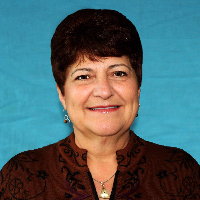
Alaska · 11 yrs exp
Licensed Clinical Social Worker - Anger and Anxiety
Stress, Anxiety · Relationship · Family · Trauma and abuse · +9 more
Read profile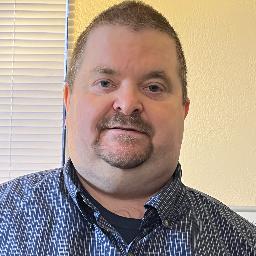
Florida · 20 yrs exp
LCSW - Anger and Relationship concerns
Stress, Anxiety · Addictions · Trauma and abuse · Grief · +14 more
Read profile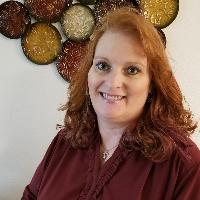
Idaho · 9 yrs exp
LCSW focused on anger and emotional regulation
Stress, Anxiety · Trauma and abuse · Anger · Depression · +13 more
Read profile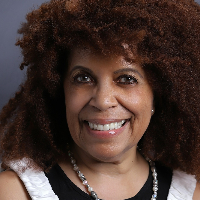
Tennessee · 15 yrs exp
Licensed Clinical Social Worker - Anger and Relationships
Stress, Anxiety · Relationship · Family · Self esteem · +9 more
Read profile
South Carolina · 5 yrs exp
Licensed Professional Counselor - Relationships and Anger
Relationship · Family · Trauma and abuse · Intimacy-related issues · +15 more
Read profile
Michigan · 10 yrs exp
Licensed Professional Counselor - Anger and Relationships
Stress, Anxiety · Family · Trauma and abuse · Grief · +12 more
Read profile
North Carolina · 16 yrs exp
Licensed Clinical Social Worker - Anger and Addictions
Stress, Anxiety · Addictions · Trauma and abuse · Anger · +13 more
Read profile
California · 5 yrs exp
LMFT in California - relationships and anger
Relationship · Grief · Parenting · Self esteem · +11 more
Read profile
Colorado · 15 yrs exp
LCSW in Colorado - anger and emotional regulation
Stress, Anxiety · Grief · Depression · Coping with life changes · +10 more
Read profile
North Carolina · 20 yrs exp
LCSW - Anger and Mood Concerns
Stress, Anxiety · Addictions · Family · Career · +16 more
Read profile
Connecticut · 24 yrs exp
LCSW in Connecticut - Anger and mood concerns
Stress, Anxiety · Relationship · Grief · Self esteem · +11 more
Read profile
Connecticut · 10 yrs exp
Licensed Clinical Social Worker - Anger and Relationships
Stress, Anxiety · Family · Trauma and abuse · Grief · +12 more
Read profile
Texas · 20 yrs exp
Licensed Professional Counselor - Anger and Relationships
Stress, Anxiety · Relationship · Family · Trauma and abuse · +13 more
Read profile
North Carolina · 20 yrs exp
LPC and LCMHC - Anger and Stress support
Stress, Anxiety · Parenting · Self esteem · Depression · +15 more
Read profile
Florida · 40 yrs exp
LCSW - Anger and life transitions
Addictions · Relationship · Grief · Depression · +13 more
Read profile
Michigan · 10 yrs exp
LMSW - Anxiety and Anger work
Stress, Anxiety · Addictions · Relationship · Family · +12 more
Read profile
Pennsylvania · 15 yrs exp
Licensed Professional Counselor - Anger and Anxiety
Stress, Anxiety · Relationship · Self esteem · Depression · +14 more
Read profile
Illinois · 12 yrs exp
Licensed counselor - Anger and relationships
Stress, Anxiety · Relationship · Trauma and abuse · Self esteem · +14 more
Read profile
Florida · 28 yrs exp
LMHC - Anger and Stress concerns
Stress, Anxiety · Addictions · Relationship · Grief · +14 more
Read profile
Alabama · 12 yrs exp
Licensed Professional Counselor - Stress and Anger
Stress, Anxiety · Family · Anger · Self esteem · +13 more
Read profileWhen sleep is disrupted you may notice more irritability, sharper outbursts, or growing resentment toward everyday stressors. Poor sleep can make it harder to manage emotions at work or with people you care about, and chronic sleep problems often amplify background stress so small triggers feel larger. At the same time, persistent anger and ongoing frustration can make it harder to fall asleep or stay asleep because racing thoughts, rumination, or interpersonal tension get in the way of rest. You should not assume a single cause - sleep difficulties and anger can influence each other in different ways for different people. If you are experiencing any threat to your safety, or if someone is at risk from violent behaviour, contact emergency services or a domestic-abuse helpline right away.
On this page you will find profiles of professionals who list Sleeping Disorders together with anger-related topics. That listing indicates areas they say they focus on, not a medical diagnosis, guaranteed outcome, or a particular credential. Profiles can help you form questions about how a therapist approaches the overlap between sleep and emotion regulation so you can choose someone whose focus and style match your needs.
Grouping profiles by Sleeping Disorders on a directory that focuses on anger and frustration reflects the common overlap people report when both issues are present. Some clinicians advertise work with sleep onset problems, frequent night wakings, or restless sleep in addition to anger-related concerns like frequent irritability, resentment, or workplace conflict. That does not mean every listed clinician treats all aspects of sleep or anger the same way. The label on a profile is a starting point for questions, not proof of a particular training or outcome.
You may find therapists who list cognitive-behavioural techniques for insomnia among their approaches, or who list stress management, relaxation approaches, or emotion-focused work alongside anger-related topics. When you review profiles, pay attention to how a clinician describes their focus areas and the kinds of difficulties they mention. That language can indicate whether they are likely to explore how sleep and anger interact in your situation, or whether they focus mainly on one area and refer for the other.
It helps to go into conversations with concrete questions that reveal how a clinician works and whether their experience matches your situation. You might ask: Do you work with people who describe insomnia linked to ongoing irritability or repeated outbursts? How do you usually approach sleep problems when someone also reports high levels of anger or resentment? Can you describe the kinds of tools or strategies you offer, and do you have experience helping people manage anger that affects relationships or work?
When clinicians list therapy approaches on their profiles, ask what that means in practice. For example, you could ask whether they use techniques commonly used for sleep disruption, and whether they bring together those techniques with approaches that address frustration and emotion regulation. A phrasing like therapists who list CBT among their approaches can be a prompt to ask how they adapt those strategies for sleep versus anger. Remember that a degree such as PhD, PsyD, MD, MA, or MSW is academic; it is distinct from professional licensing or registration. In the United States, clinicians typically hold a state license; in the United Kingdom and Australia you may see references to registration with a regulator or membership in a professional body. A profile may show degrees and membership status, but you should confirm any permissions to practise or regulatory details directly with the clinician or their regulatory body if that information is important to you.
If you plan to consult with someone online, clarify practical and clinical details up front so you know what to expect from remote sessions. Ask how they handle emergency situations when a session is not in person and what local resources they recommend if you need immediate help. Discuss whether they have experience addressing sleep problems and anger-related issues in remote work, and how they structure sessions when both concerns are present. You may want to ask whether they include homework or tracking tools for sleep, whether they explore triggers for irritability outside of sessions, and how they measure progress on goals you set together.
Talk about communication boundaries, like how and when messages are handled between sessions, and whether they work with other professionals if you need coordinated support. If you use a device for sessions, confirm technical needs such as platform, video and audio quality, and contingency plans in case of disruption. Asking these practical questions before you begin helps you decide if the clinician’s online approach aligns with your comfort level and the complexity of what you are seeking help for.
Profiles are most useful when you compare specific elements that matter to you. Look at how clinicians describe their focus areas - do they mention difficulty falling asleep, early morning awakening, or disrupted sleep architecture alongside mentions of irritability, resentment, or workplace conflict? Check whether they describe client groups or issue types in ways that match your situation. Consider languages spoken if you prefer to talk in a language other than the main language of the listed location, and notice any mention of cultural competency or experience with particular communities.
Examine credentials and how they are presented. Academic degrees indicate training background, while licensing, registration, or professional membership are evidence of a clinician’s regulatory or professional standing in their country. If a profile lists therapeutic approaches, treat those as conversation starters - for example, you can ask about therapists who list mindfulness among their approaches and how they adapt mindfulness for sleep versus anger management. Also consider the tone of a profile to get a sense of therapeutic style: some clinicians describe practical, skills-based work while others emphasise reflective, exploratory approaches. Matching style can be as important as matching focus area when you are seeking help for the combined challenge of sleep disturbance and heightened anger or frustration.
When comparing profiles, remember no listing guarantees a particular outcome or training. Use the profile to form questions and then raise those directly with clinicians to find someone whose approach, language, and professional standing feel like a fit for your goals. If you are in immediate danger or concerned about someone else’s safety, contact emergency services or a domestic-abuse helpline right away.
Alabama
127 therapists
Alaska
17 therapists
Arizona
100 therapists
Arkansas
68 therapists
Australia
77 therapists
California
542 therapists
Colorado
154 therapists
Connecticut
78 therapists
Delaware
23 therapists
District of Columbia
16 therapists
Florida
854 therapists
Georgia
273 therapists
Hawaii
30 therapists
Idaho
48 therapists
Illinois
259 therapists
Indiana
114 therapists
Iowa
45 therapists
Kansas
55 therapists
Kentucky
109 therapists
Louisiana
166 therapists
Maine
41 therapists
Maryland
134 therapists
Massachusetts
95 therapists
Michigan
264 therapists
Minnesota
102 therapists
Mississippi
98 therapists
Missouri
225 therapists
Montana
51 therapists
Nebraska
34 therapists
Nevada
45 therapists
New Hampshire
19 therapists
New Jersey
175 therapists
New Mexico
41 therapists
New York
358 therapists
North Carolina
343 therapists
North Dakota
5 therapists
Ohio
224 therapists
Oklahoma
141 therapists
Oregon
54 therapists
Pennsylvania
292 therapists
Rhode Island
18 therapists
South Carolina
173 therapists
South Dakota
24 therapists
Tennessee
136 therapists
Texas
791 therapists
United Kingdom
1477 therapists
Utah
56 therapists
Vermont
13 therapists
Virginia
158 therapists
Washington
86 therapists
West Virginia
27 therapists
Wisconsin
123 therapists
Wyoming
18 therapists