- CBT strategies
- DBT skills
- EMDR options
About Shelly
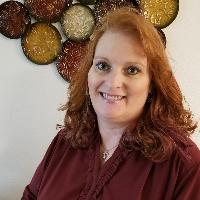
Shelly Sanders is a Licensed Clinical Social Worker (LCSW) practicing in Idaho with nine years of therapy experience. She works with adults on common concerns such as stress, anxiety, anger, depression, relationship strain, and parenting challenges. Sessions focus on practical steps people can use right away to feel less overwhelmed and more in control.
Her approach is client-centered and interactive. She uses Cognitive Behavioral Therapy (CBT) and Dialectical Behavior Therapy (DBT) skills to address thoughts, behavior, and emotional regulation. Attachment-Based Therapy informs her work on relationship patterns, and she may use Eye Movement Desensitization and Reprocessing (EMDR) techniques when appropriate.
Shelly aims to make plans that are specific and time-sensitive. In a session she will help set clear, realistic goals and offer tools to manage anger, reduce anxiety, or improve communication. She also addresses practical life issues like sleep, eating patterns, and career stress.
She has experience across a wide range of concerns beyond mood and anxiety, including ADHD, addictions, grief, intimacy issues, caregiver stress, chronic illness, and family of origin problems. That background can help when anger is mixed with grief, control issues, or past trauma.
Sessions are conversational and skills-focused. Shelly helps people learn techniques they can use between appointments. If you want to start, follow the site directions to choose an online therapy option and complete the short matching questionnaire.
How her therapeutic approaches work in online sessions
Attachment-Based Therapy looks at how early relationship patterns affect present behavior. It helps when anger is tied to trust, closeness, or feeling misunderstood in relationships. Cognitive Behavioral Therapy (CBT) focuses on spotting and changing thought patterns that drive strong reactions. It provides practical exercises to test beliefs, change unhelpful thinking, and try new behaviors between sessions. Dialectical Behavior Therapy (DBT) teaches concrete skills for managing intense emotions and tolerating distress. People learn breathing, grounding, and communication strategies to use in heated moments. Finding the right approach is usually the work of several conversations. The therapist will collaborate with the client to match methods to their needs, goals, and preferences rather than using a single technique alone. Practical benefits of online work include fitting sessions into a busy schedule and avoiding travel time. Online sessions can make it easier to keep regular check-ins, practice skills in real-life settings, and use shorter contacts when that helps between longer sessions. Confirm the therapist's current session options before booking so you know which formats are offered.Areas of expertise
Primary focus
Also works with
Additional focus areas
Therapeutic approaches
Experience
9+ years
Listed in
Idaho
Languages
English
Frequently asked questions
What kinds of anger issues does she support?
She works with anger related to relationships, work frustration, built-up resentment, and overlapping concerns like stress and grief.
How would she approach anger in sessions?
She uses client-centered work with CBT and DBT tools to teach emotion regulation and communication strategies.
How much experience does she have?
She has nine years of therapy experience and a longer history working in mental health settings.
What are her credentials and where is she based?
She is a Licensed Clinical Social Worker (LCSW) licensed in Idaho.
Does she work in languages other than English?
Sessions are offered in English.
Can international clients schedule with her?
She does not accept international clients at this time.
What formats are used for sessions?
Session formats are not specified here; please confirm the current options before booking.
How are costs and first steps handled?
Cost varies with location and sessions use a subscription that can be canceled at any time; start by completing the short matching questionnaire and scheduling a first session.