
Velma Jones
LCSWNew York · 29 yrs exp
Licensed Clinical Social Worker - Anger, Relationships
Stress, Anxiety · Relationship · Trauma and abuse · Depression · +10 more
Read profileTherapists in the United States, United Kingdom and Australia
Need help right now?Therapist listings are provided by BetterHelp. We will earn a commission at no additional cost to you if you use our links to purchase.
This directory page groups profiles of clinicians who list Addictions alongside anger and frustration concerns. You can compare listed location, focus areas, therapeutic approaches, languages and credentials to find profiles that match what you want to explore - browse the profiles below.
New York · 29 yrs exp
Licensed Clinical Social Worker - Anger, Relationships
Stress, Anxiety · Relationship · Trauma and abuse · Depression · +10 more
Read profile
Oklahoma · 21 yrs exp
Licensed Marriage and Family Therapist - Relationships and Anger
Stress, Anxiety · Relationship · Family · Self esteem · +8 more
Read profile
Texas · 13 yrs exp
LCSW - Anger and relationships
Stress, Anxiety · Relationship · Trauma and abuse · Anger · +11 more
Read profile
New Jersey · 15 yrs exp
Licensed Clinical Social Worker - Anxiety and Anger
Stress, Anxiety · Family · Trauma and abuse · Parenting · +10 more
Read profile
Minnesota · 14 yrs exp
Minnesota LMFT - Relationships and Anger
Stress, Anxiety · Relationship · Family · Trauma and abuse · +8 more
Read profile
New York · 24 yrs exp
Licensed Clinical Social Worker - Anger and Stress
Stress, Anxiety · Relationship · Anger · Self esteem · +12 more
Read profile
North Carolina · 51 yrs exp
LCMHC counselor - Relationships and Anger
Relationship · Intimacy-related issues · Parenting · Self esteem · +12 more
Read profile
Connecticut · 48 yrs exp
LCSW - Relationships and Anger
Relationship · Family · Trauma and abuse · Parenting · +14 more
Read profile
Illinois · 30 yrs exp
LCSW - Anger and life stressors
Trauma and abuse · Grief · Self esteem · Depression · +14 more
Read profile
Florida · 10 yrs exp
Licensed counselor - Anger and Addictions
Stress, Anxiety · Addictions · Anger · Depression · +12 more
Read profile
South Carolina · 9 yrs exp
Licensed counselor - Anger and mood concerns
Stress, Anxiety · Addictions · Trauma and abuse · Self esteem · +13 more
Read profile
Florida · 25 yrs exp
Licensed Mental Health Counselor - Relationships and Trauma
Relationship · Trauma and abuse · Grief · Anger · +12 more
Read profile
New Jersey · 5 yrs exp
Licensed Professional Counselor - Anger and Relationships
Stress, Anxiety · Relationship · Family · Anger · +12 more
Read profile
Florida · 7 yrs exp
Licensed counselor - Anger and addictions
Addictions · Relationship · Family · Trauma and abuse · +13 more
Read profile
Ohio · 3 yrs exp
Licensed professional clinical counselor - Anger and mood issues
Addictions · Family · Anger · Depression · +6 more
Read profile
Maryland · 6 yrs exp
Licensed Clinical Professional Counselor - Anger and Trauma
Stress, Anxiety · Trauma and abuse · Self esteem · Coping with life changes · +10 more
Read profile
New York · 5 yrs exp
LMHC - mood and anger concerns
Stress, Anxiety · LGBT · Trauma and abuse · Bipolar · +12 more
Read profile
Arizona · 23 yrs exp
Licensed counselor - Anger and mood concerns
Stress, Anxiety · Self esteem · Depression · Coping with life changes · +16 more
Read profile
Michigan · 5 yrs exp
Licensed Professional Counselor - Anger and Life Changes
Stress, Anxiety · Relationship · Family · Self esteem · +12 more
Read profile
New York · 15 yrs exp
LCPC LMHC - Anger and anxiety support
Stress, Anxiety · Trauma and abuse · Grief · Self esteem · +16 more
Read profile
Pennsylvania · 12 yrs exp
LPCC LMHC - Anger and Relationship concerns
Stress, Anxiety · Relationship · Self esteem · Depression · +11 more
Read profile
Hawaii · 7 yrs exp
Licensed Marriage and Family Therapist - Anger and Relationships
Stress, Anxiety · Addictions · Relationship · Family · +11 more
Read profile
Missouri · 16 yrs exp
LCSW - Anger and Mood Concerns
Stress, Anxiety · Trauma and abuse · Self esteem · Bipolar · +12 more
Read profile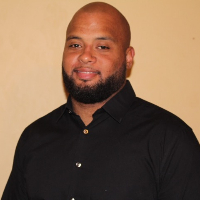
Florida · 8 yrs exp
LMFT - Anger and relationship concerns
Stress, Anxiety · Relationship · Family · Self esteem · +12 more
Read profile
Missouri · 7 yrs exp
Licensed Professional Counselor - Anger and Addiction
Stress, Anxiety · Addictions · Relationship · Self esteem · +13 more
Read profile
Oregon · 32 yrs exp
Licensed Marriage and Family Therapist - Anger and Relationships
Stress, Anxiety · Relationship · Trauma and abuse · Grief · +9 more
Read profile
Michigan · 45 yrs exp
Licensed Professional Counselor - Anger and Addictions
Stress, Anxiety · Addictions · Trauma and abuse · Grief · +10 more
Read profile
Ohio · 33 yrs exp
Ohio LPCC - Anger and Trauma
Stress, Anxiety · Family · Trauma and abuse · Self esteem · +12 more
Read profile
Texas · 10 yrs exp
Licensed Professional Counselor - Relationships and Anger
Relationship · Family · Anger · Self esteem · +12 more
Read profile
Arizona · 20 yrs exp
Arizona psychologist - Anger and mood concerns
Stress, Anxiety · Addictions · Grief · Self esteem · +14 more
Read profile
Florida · 13 yrs exp
Licensed counselor - Anger and mood concerns
Stress, Anxiety · Anger · Depression · Coping with life changes · +13 more
Read profile
Minnesota · 23 yrs exp
Licensed Marriage and Family Therapist - Relationships and Anger
Stress, Anxiety · Relationship · Trauma and abuse · Self esteem · +13 more
Read profile
Florida · 3 yrs exp
Licensed Mental Health Counselor - Stress and Anger
Stress, Anxiety · Addictions · LGBT · Relationship · +12 more
Read profile
Georgia · 18 yrs exp
Licensed Professional Counselor - Anger and Relationships
Stress, Anxiety · Relationship · Family · Trauma and abuse · +10 more
Read profile
Florida · 30 yrs exp
Licensed Mental Health Counselor - Mood and Anger issues
Stress, Anxiety · Trauma and abuse · Bipolar · Depression · +16 more
Read profile
Nebraska · 36 yrs exp
LIMHP - Anger and Relationship Concerns
Stress, Anxiety · Family · Grief · Intimacy-related issues · +12 more
Read profile
Louisiana · 16 yrs exp
LCSW in Louisiana - Mood and relationship concerns
Stress, Anxiety · Relationship · Trauma and abuse · Bipolar · +16 more
Read profile
Louisiana · 22 yrs exp
Licensed counselor and therapist - Anger and relationships
Stress, Anxiety · Relationship · Family · Grief · +11 more
Read profile
Florida · 10 yrs exp
Licensed Clinical Social Worker - Anger and relationships
Stress, Anxiety · Addictions · Family · Grief · +8 more
Read profile
Michigan · 35 yrs exp
Licensed Master Social Worker - Anger and Relationships
Stress, Anxiety · Addictions · Trauma and abuse · Self esteem · +3 more
Read profile
North Carolina · 20 yrs exp
Licensed Professional Counselor - Anger and Relationships
Stress, Anxiety · Relationship · Family · Self esteem · +9 more
Read profile
North Carolina · 18 yrs exp
Dr. Shelia Williamson Collins - Counselor for Anger and Addictions
Stress, Anxiety · Addictions · Trauma and abuse · Anger · +13 more
Read profile
Texas · 21 yrs exp
LCSW - Anger and Relationship concerns
Stress, Anxiety · Relationship · Trauma and abuse · Intimacy-related issues · +15 more
Read profile
Texas · 8 yrs exp
Licensed Professional Counselor - Stress and Anger
Stress, Anxiety · Grief · Self esteem · Career · +11 more
Read profile
Georgia · 19 yrs exp
Licensed Professional Counselor - Anger and Relationship Concerns
Stress, Anxiety · Addictions · Trauma and abuse · Self esteem · +11 more
Read profile
Virginia · 13 yrs exp
Licensed Clinical Social Worker - Anger and Anxiety
Stress, Anxiety · Addictions · Depression · Relationship · +8 more
Read profile
Texas · 6 yrs exp
Licensed Professional Counselor - Anger and Addiction
Stress, Anxiety · Addictions · Relationship · Trauma and abuse · +12 more
Read profile
Louisiana · 20 yrs exp
Licensed counselor - Anger and mood concerns
Stress, Anxiety · Addictions · Eating · Depression · +14 more
Read profile
Florida · 30 yrs exp
Florida clinical psychologist - Anger and mood concerns
Stress, Anxiety · Grief · Anger · Depression · +15 more
Read profile
Wisconsin · 11 yrs exp
Licensed Professional Counselor - Anger and Relationships
Stress, Anxiety · Family · Trauma and abuse · Depression · +12 more
Read profile
Illinois · 30 yrs exp
Licensed Clinical Professional Counselor - Anger and Relationships
Addictions · Relationship · Parenting · Anger · +12 more
Read profile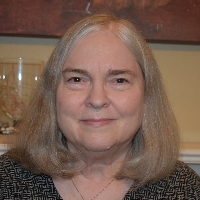
Texas · 20 yrs exp
Licensed Professional Counselor - Stress and Trauma
Stress, Anxiety · Trauma and abuse · Self esteem · Depression · +12 more
Read profile
Mississippi · 12 yrs exp
LCSW - anger and mood concerns
Stress, Anxiety · Addictions · Anger · Self esteem · +12 more
Read profile
Florida · 10 yrs exp
Licensed Mental Health Counselor - Anger and Relationships
Stress, Anxiety · Family · Parenting · Self esteem · +10 more
Read profile
Texas · 23 yrs exp
LPC counselor - relationships and anger
Stress, Anxiety · Relationship · Self esteem · Career · +11 more
Read profile
Pennsylvania · 6 yrs exp
Licensed Professional Counselor - Anger and Relationships
Stress, Anxiety · LGBT · Relationship · Self esteem · +15 more
Read profile
Alabama · 15 yrs exp
Licensed Professional Counselor - Anger and Trauma
Stress, Anxiety · Addictions · Relationship · Family · +12 more
Read profile
Georgia · 20 yrs exp
Licensed Professional Counselor - Anger and Addictions
Stress, Anxiety · Addictions · Anger · Bipolar · +10 more
Read profile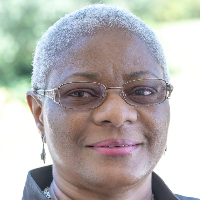
Florida · 19 yrs exp
Licensed Mental Health Counselor - Anger and Stress
Stress, Anxiety · Family · Grief · Depression · +12 more
Read profile
Georgia · 22 yrs exp
LPC in Georgia - Anger and Stress work
Stress, Anxiety · Addictions · Trauma and abuse · Parenting · +11 more
Read profileIf you are dealing with irritability, sudden outbursts, simmering resentment or persistent stress that affects your work and relationships, you are not alone in wanting guidance. People often describe a mix of strong emotions and behaviors that feel hard to control, and that can include patterns related to substance use or other addictive behaviors. Those patterns may worsen tension at home or cause problems at work, and they can make it harder to manage anger and frustration in day-to-day life.
When you read profiles on this page, you will notice language about anger, frustration and Addictions. That language signals a clinician lists those concerns among their focus areas, but it does not guarantee a particular outcome or a specific method will be used. If you are experiencing or fearing violence, or if someone is in immediate danger, contact emergency services or a domestic-abuse helpline in your area right away. If your immediate safety is stable, a conversation with a clinician about how anger and addictive behavior are affecting you can be a helpful next step.
You may be wondering whether addictions cause anger, or the other way around. The relationship between intense emotions and addictive behaviors is complex and varies from person to person. On this page you will find profiles of practitioners who list Addictions and also list anger or frustration among their areas of focus. That intersection may reflect clinicians who often work with clients facing both concerns, or it may simply indicate overlapping interests on a professional profile. This directory does not assume a causal link between two listed concerns.
As you review profiles, notice descriptive details about whether a clinician lists anger-related issues, substance use, compulsive behaviors or other focus areas. Also remember that a listed topic on a profile is not the same as a formal certification. Degrees such as PhD, PsyD, MD, MA or MSW are academic qualifications and do not by themselves establish permission to practice. In the United States many clinicians hold state licenses. In the United Kingdom and Australia practitioners may be registered with professional bodies or hold memberships in associations. Profiles indicate what a clinician lists, but you should speak directly with them about how they describe their scope and experience.
When you are comparing profiles, it helps to have specific questions ready so you can learn how a clinician might approach the issues you care about. You could ask how they typically work with clients who describe irritability, anger outbursts or resentment alongside addictive behaviors. You can ask which therapeutic approaches they commonly use, phrasing it so that it is clear you are asking about what they offer - for example, "Do you work with clients using cognitive and behavioral techniques?" or "Do you use motivational approaches when addressing substance use?" It is helpful to say things like "I see you list EMDR among your approaches" or "I notice you list CBT among your approaches" and ask how those approaches might look in practice for your situation.
Another useful line of inquiry is to ask about experience with particular populations or settings. Ask whether they have worked with people in similar life circumstances to yours, and what kinds of challenges they most often address. You can also ask how they collaborate with other professionals - for example, whether they coordinate with medical providers, addiction counselors or family members when that is appropriate and with your consent. Concrete questions will give you clearer information than general statements about experience.
If you are considering online talk therapy, there are some practical matters to discuss before you begin. Make sure you and the clinician are clear about where each of you is located and whether the clinician is permitted to provide care across state or national lines. Licensing and registration rules vary: some clinicians are licensed in a U.S. jurisdiction, others are registered or hold membership in U.K. or Australian professional bodies. Ask how those credentials relate to the services they provide to people in your listed location.
It is also reasonable to ask about technological arrangements and what happens in a crisis. Ask how the clinician handles safety planning and what local resources they recommend if you are at risk. Remember that online talk therapy is not the same as a court-ordered anger-management course or certificate, and it does not replace emergency services or legal requirements. Discussing practical matters such as communication preferences, informed consent, session structure and what to do if sessions are interrupted will help set expectations before you begin.
Comparing profiles is about matching what you need with what a clinician lists. Look beyond single words and read how practitioners describe their approach to anger, frustration and addictive behaviors. Note whether they mention working with irritability, outbursts, resentment or stress specifically, and whether they refer to different stages of change, relapse prevention or coping skills. Pay attention to the languages they list and the populations they indicate they work with, since language and cultural understanding can be important to the therapeutic process.
When you see credentials on a profile, distinguish academic degrees from professional permission to practice. A PhD, PsyD, MD, MA or MSW describes educational background, while phrases such as "licensed" in a U.S. state or "registered" in the U.K. or Australia indicate regulatory recognition in some jurisdictions. If the profile lists therapeutic approaches that matter to you, remember to phrase your questions as inquiries - for example, "How do you use motivational interviewing when clients have co-occurring anger and substance concerns?" or "How might cognitive-behavioral strategies be adapted for my situation?" Also ask about their therapeutic style - whether they tend to work in a directive, skill-building way or in a more exploratory, reflective way - to get a sense of fit.
Finally, remember that profiles give an initial sense of focus and background, but the best way to know whether a clinician is a good fit is a direct conversation. If you have questions about whether a clinician treats children, couples or families, ask them directly rather than assuming the scope from a profile. Use listed location to find practitioners near you or in a preferred region, and use the details you find to shape the questions that matter most for your situation. Above all, prioritize your safety: if you or someone else is in immediate danger, contact emergency services or a domestic-abuse helpline in your area without delay.
Alabama
127 therapists
Alaska
17 therapists
Arizona
100 therapists
Arkansas
68 therapists
Australia
77 therapists
California
542 therapists
Colorado
154 therapists
Connecticut
78 therapists
Delaware
23 therapists
District of Columbia
16 therapists
Florida
854 therapists
Georgia
273 therapists
Hawaii
30 therapists
Idaho
48 therapists
Illinois
259 therapists
Indiana
114 therapists
Iowa
45 therapists
Kansas
55 therapists
Kentucky
109 therapists
Louisiana
166 therapists
Maine
41 therapists
Maryland
134 therapists
Massachusetts
95 therapists
Michigan
264 therapists
Minnesota
102 therapists
Mississippi
98 therapists
Missouri
225 therapists
Montana
51 therapists
Nebraska
34 therapists
Nevada
45 therapists
New Hampshire
19 therapists
New Jersey
175 therapists
New Mexico
41 therapists
New York
358 therapists
North Carolina
343 therapists
North Dakota
5 therapists
Ohio
224 therapists
Oklahoma
141 therapists
Oregon
54 therapists
Pennsylvania
292 therapists
Rhode Island
18 therapists
South Carolina
173 therapists
South Dakota
24 therapists
Tennessee
136 therapists
Texas
791 therapists
United Kingdom
1477 therapists
Utah
56 therapists
Vermont
13 therapists
Virginia
158 therapists
Washington
86 therapists
West Virginia
27 therapists
Wisconsin
123 therapists
Wyoming
18 therapists