
Avia James
LMHC, LPCFlorida · 10 yrs exp
Licensed counselor - Anger and Addictions
Stress, Anxiety · Addictions · Anger · Depression · +12 more
Read profileTherapists in the United States, United Kingdom and Australia
Need help right now?Therapist listings are provided by BetterHelp. We will earn a commission at no additional cost to you if you use our links to purchase.
Use these profiles to compare therapists who list anger and frustration among their specialties in the listed location Florida. You can review approaches, languages, degrees and professional permissions, then browse profiles to learn more.
Check each profile for details and confirm directly with the clinician that they have permission to work with you where you live before starting care.
Florida · 10 yrs exp
Licensed counselor - Anger and Addictions
Stress, Anxiety · Addictions · Anger · Depression · +12 more
Read profile
Florida · 25 yrs exp
Licensed Mental Health Counselor - Relationships and Trauma
Relationship · Trauma and abuse · Grief · Anger · +12 more
Read profile
Florida · 7 yrs exp
Licensed counselor - Anger and addictions
Addictions · Relationship · Family · Trauma and abuse · +13 more
Read profile
Florida · 25 yrs exp
LMHC in Florida - Anger and Mood concerns
Stress, Anxiety · Family · Grief · Self esteem · +12 more
Read profile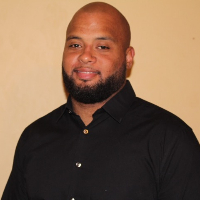
Florida · 8 yrs exp
LMFT - Anger and relationship concerns
Stress, Anxiety · Relationship · Family · Self esteem · +12 more
Read profile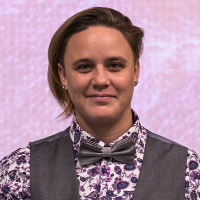
Florida · 11 yrs exp
Dr. Sarah Walker, LMFT - Anger and Relationship support
Stress, Anxiety · Relationship · Family · Depression · +13 more
Read profile
Florida · 13 yrs exp
Licensed counselor - Anger and mood concerns
Stress, Anxiety · Anger · Depression · Coping with life changes · +13 more
Read profile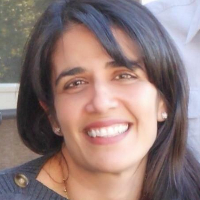
Florida · 3 yrs exp
Licensed Mental Health Counselor - Stress and Anger
Stress, Anxiety · Addictions · LGBT · Relationship · +12 more
Read profile
Florida · 30 yrs exp
Licensed Mental Health Counselor - Mood and Anger issues
Stress, Anxiety · Trauma and abuse · Bipolar · Depression · +16 more
Read profile
Florida · 10 yrs exp
Licensed Clinical Social Worker - Anger and relationships
Stress, Anxiety · Addictions · Family · Grief · +8 more
Read profile
Florida · 13 yrs exp
Licensed Mental Health Counselor - Stress and Anger
Stress, Anxiety · Self esteem · Career · Depression · +3 more
Read profile
Florida · 22 yrs exp
Clinical Social Worker - Stress and Anger
Stress, Anxiety · Self esteem · Depression · Coping with life changes · +5 more
Read profile
Florida · 30 yrs exp
Florida clinical psychologist - Anger and mood concerns
Stress, Anxiety · Grief · Anger · Depression · +15 more
Read profile
Florida · 10 yrs exp
Licensed Mental Health Counselor - Anger and Relationships
Stress, Anxiety · Family · Parenting · Self esteem · +10 more
Read profile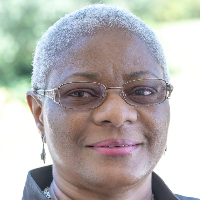
Florida · 19 yrs exp
Licensed Mental Health Counselor - Anger and Stress
Stress, Anxiety · Family · Grief · Depression · +12 more
Read profile
Florida · 20 yrs exp
Florida LMHC - Stress and Anger
Stress, Anxiety · Grief · Self esteem · Depression · +9 more
Read profile
Florida · 29 yrs exp
Dr Martha Groble - LPCC, LMHC, mood and anger concerns
Stress, Anxiety · Trauma and abuse · Grief · Career · +7 more
Read profile
Florida · 25 yrs exp
Licensed Clinical Social Worker - Anger and Trauma
Stress, Anxiety · Trauma and abuse · Parenting · Self esteem · +14 more
Read profile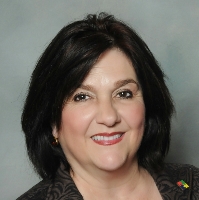
Florida · 12 yrs exp
LCSW - Anger and grief support
Grief · Self esteem · Career · Coping with life changes · +11 more
Read profile
Florida · 4 yrs exp
LMHC - Anger and Mood Concerns
Stress, Anxiety · Trauma and abuse · Self esteem · Depression · +8 more
Read profile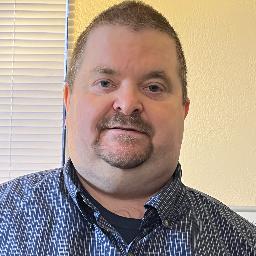
Florida · 20 yrs exp
LCSW - Anger and Relationship concerns
Stress, Anxiety · Addictions · Trauma and abuse · Grief · +14 more
Read profile
Florida · 40 yrs exp
LCSW - Anger and life transitions
Addictions · Relationship · Grief · Depression · +13 more
Read profile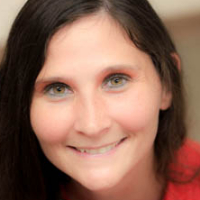
Florida · 18 yrs exp
Dr. Nicole Thweatt, LMHC - Anger and Relationship Concerns
Stress, Anxiety · Parenting · Anger · Self esteem · +13 more
Read profile
Florida · 8 yrs exp
Licensed Mental Health Counselor - Anger and Stress
Stress, Anxiety · Trauma and abuse · Parenting · Self esteem · +11 more
Read profile
Florida · 28 yrs exp
LMHC - Anger and Stress concerns
Stress, Anxiety · Addictions · Relationship · Grief · +14 more
Read profile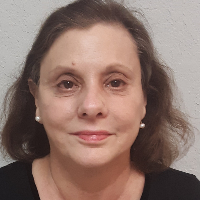
Florida · 32 yrs exp
LCSW - Stress and Anger concerns
Stress, Anxiety · Trauma and abuse · Grief · Depression · +14 more
Read profile
Florida · 20 yrs exp
Licensed Clinical Social Worker - Anger and Anxiety
Stress, Anxiety · Trauma and abuse · Grief · Career · +15 more
Read profile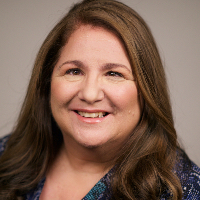
Florida · 24 yrs exp
Licensed Mental Health Counselor - Anger and Anxiety
Stress, Anxiety · Career · Depression · Coping with life changes · +12 more
Read profile
Florida · 35 yrs exp
LCSW specializing in relationships and grief
Relationship · Grief · Depression · Coping with life changes · +10 more
Read profile
Florida · 19 yrs exp
Licensed Clinical Social Worker - Anger and Relationships
Stress, Anxiety · Trauma and abuse · Grief · Depression · +9 more
Read profile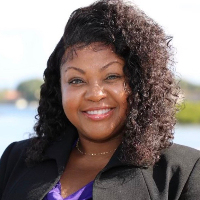
Florida · 9 yrs exp
LMHC in Florida - Anger and Stress support
Stress, Anxiety · Family · Parenting · Anger · +11 more
Read profile
Florida · 20 yrs exp
Florida LMHC - Anger and Stress
Stress, Anxiety · Addictions · Relationship · Intimacy-related issues · +14 more
Read profile
Florida · 9 yrs exp
Florida LMHC - Relationship and Anger work
Relationship · Anger · Self esteem · Career · +10 more
Read profile
Florida · 9 yrs exp
Licensed Mental Health Counselor - Anger and anxiety
Stress, Anxiety · Trauma and abuse · Parenting · Depression · +10 more
Read profile
Florida · 21 yrs exp
Licensed Mental Health Counselor - Anger and Stress
Stress, Anxiety · Depression · Coping with life changes · ADHD · +12 more
Read profile
Florida · 3 yrs exp
LCSW - Anger and Relationship concerns
Stress, Anxiety · Relationship · Trauma and abuse · Grief · +14 more
Read profile
Florida · 10 yrs exp
LMHC - Anger and Stress support
Stress, Anxiety · Addictions · Anger · Bipolar · +11 more
Read profile
Florida · 20 yrs exp
Licensed Clinical Social Worker - Anger and Trauma
Stress, Anxiety · Trauma and abuse · Grief · Self esteem · +9 more
Read profile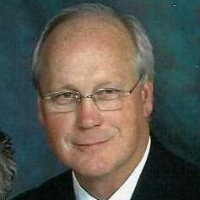
Florida · 11 yrs exp
LMFT - relationships and trauma
Relationship · Family · Trauma and abuse · Parenting · +14 more
Read profile
Florida · 25 yrs exp
LMHC in Florida - Anger and Relationships
Stress, Anxiety · Relationship · Family · Self esteem · +13 more
Read profile
Florida · 22 yrs exp
Licensed counselor - Anger and trauma
Stress, Anxiety · Relationship · Family · Trauma and abuse · +10 more
Read profile
Florida · 19 yrs exp
Licensed counselor - Anger and relationships
Stress, Anxiety · Relationship · Family · Anger · +13 more
Read profile
Florida · 21 yrs exp
Licensed Clinical Social Worker - Relationships and Anger
Stress, Anxiety · Relationship · Family · Eating · +16 more
Read profile
Florida · 30 yrs exp
LMHC in Florida - Anger and Addictions
Stress, Anxiety · Addictions · Anger · Self esteem · +1 more
Read profile
Florida · 9 yrs exp
Licensed Mental Health Counselor - Anger and Mood Concerns
Stress, Anxiety · Self esteem · Depression · Coping with life changes · +11 more
Read profile
Florida · 6 yrs exp
Licensed Clinical Social Worker - Anger and Trauma
Stress, Anxiety · Family · Trauma and abuse · Grief · +13 more
Read profile
Florida · 18 yrs exp
LCSW focused on anger and recovery
Stress, Anxiety · Addictions · Relationship · Trauma and abuse · +6 more
Read profile
Florida · 12 yrs exp
Licensed counselor - Anger and relationships
Relationship · Self esteem · Depression · Coping with life changes · +9 more
Read profile
Florida · 14 yrs exp
LMHC - Anger and Relationship Concerns
Stress, Anxiety · Relationship · Trauma and abuse · Self esteem · +10 more
Read profile
Florida · 8 yrs exp
LMHC in Florida - Anger and Family Concerns
Family · Trauma and abuse · Parenting · Anger · +1 more
Read profile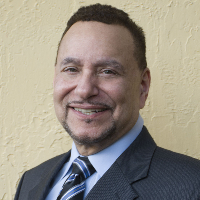
Florida · 30 yrs exp
LMHC and LMFT - Anger and relationship work
Stress, Anxiety · Addictions · Trauma and abuse · Grief · +14 more
Read profile
Florida · 11 yrs exp
Licensed Mental Health Counselor - Anger and Addictions
Stress, Anxiety · Addictions · Depression · LGBT · +11 more
Read profile
Florida · 16 yrs exp
LCSW - Anger and relationship concerns
Stress, Anxiety · Relationship · Anger · Depression · +1 more
Read profile
Florida · 7 yrs exp
LMHC in Florida - Anxiety and Anger
Stress, Anxiety · Addictions · Relationship · Trauma and abuse · +15 more
Read profile
Florida · 37 yrs exp
LMHC in Florida - grief and anger support
Grief · Self esteem · Depression · Coping with life changes · +10 more
Read profile
Florida · 10 yrs exp
Licensed Mental Health Counselor - Anger and Mood Concerns
Stress, Anxiety · Addictions · Self esteem · Depression · +12 more
Read profile
Florida · 20 yrs exp
Licensed Mental Health Counselor - Anger and Relationships
Stress, Anxiety · Relationship · Anger · Self esteem · +8 more
Read profile
Florida · 13 yrs exp
Licensed Mental Health Counselor - Anger and Stress
Stress, Anxiety · Trauma and abuse · Parenting · Anger · +11 more
Read profile
Florida · 11 yrs exp
LCSW - Anger and relationship concerns
Stress, Anxiety · LGBT · Relationship · Intimacy-related issues · +12 more
Read profile
Florida · 20 yrs exp
Licensed Clinical Social Worker - Anger and Stress
Stress, Anxiety · Trauma and abuse · Anger · Self esteem · +11 more
Read profileAnger can show up in many forms - brief irritability, recurring resentment, sudden outbursts, or a low-level tension that affects how you sleep, think and relate to others. You might be noticing a pattern that impacts your work performance, creates strain in relationships, or leaves you feeling burned out by ongoing stress. Many people come to these profiles hoping to find clinicians who will listen without judgment and help them explore triggers, emotional responses and practical strategies for managing intensity.
It is important to approach this topic without shame. Feeling angry does not make you a bad person, and wanting support is a reasonable response when anger disrupts daily life. At the same time, if you or someone else is in immediate danger because of violent behavior, you should contact emergency services or a domestic-abuse helpline in your area right away. The profiles here are a starting point to find professionals who list anger and frustration among their areas of focus; they are not a substitute for urgent help when there is a safety risk.
When you see a listed location of Florida on a profile, it means the clinician has identified that place as part of their profile information. That does not automatically confirm an office address, ongoing presence in that city, or permission to practice with every resident in Florida. Before you plan to work together, ask the clinician to confirm whether they can legally provide care to you in your jurisdiction. Rules differ based on where you live and whether a clinician is practicing across state or national lines.
Profiles may include academic degrees such as PhD, PsyD, MD, MA or MSW. Degrees indicate the clinician's educational attainment but do not by themselves establish permission to practice. In the United States, look for evidence of state licensure titles such as LCSW, LPC, LMFT or psychologist licensure as indicators of statutory permission to provide therapeutic services. In the United Kingdom and Australia, clinicians may list registration or membership with professional bodies rather than US-style licenses. A listed registration or membership can be a useful sign that a clinician adheres to recognized standards, but you should still verify current standing and any scope limitations described on the profile or by the clinician directly.
Comparing how clinicians describe their work can help you narrow which profiles to explore more deeply. Think about what matters to you and turn that into concrete questions. You might ask how a clinician typically describes their work with people who experience irritability or sudden outbursts, or whether they have experience helping people manage resentment that affects family life or workplace relationships. If you are concerned about stress-related anger, ask how they support people who are juggling high-demand jobs or caregiving responsibilities.
Also ask how a clinician frames progress and goals. Some people want practical skills to reduce immediate intensity, while others want to explore longer-standing patterns and the experiences that shaped them. You can inquire whether the clinician commonly works with adults only or also supports couples or families, because a listed topic does not automatically mean they treat every relationship configuration or age group. Phrase questions clearly and expect specific answers about approach rather than general assurances. When clinicians describe particular approaches, keep in mind that a profile may list names of therapies; use the language "therapists who list EMDR among their approaches" or "therapists who list cognitive-behavioral techniques" to remind yourself that listing an approach does not by itself attest to certification or training level.
If you are considering connecting remotely with a clinician who lists Florida as a location, there are practical topics to cover before you begin. Confirm whether the clinician has permission to provide care to someone in your state or country and ask about how they handle emergencies or crises when you are not in the same locality. Establishing a plan for local resources is important so you know what will happen if you require urgent assistance between sessions. Discuss how appointments are scheduled and the technology you will use, and ask what to do if a session is interrupted.
It is also reasonable to talk about boundaries and expected communication outside of sessions, such as response times for messages and how the clinician manages after-hours concerns. If you have privacy or environmental needs - for example, wanting to be in a comfortable environment for sessions or needing to ensure others cannot overhear conversations - mention those preferences and learn how the clinician supports a setting that meets them. Finally, ask how the clinician documents consent and what paperwork they will provide so you can review the terms of working together in writing.
When you review profiles, look for the specific language clinicians use to describe their focus areas. Some will note irritability, workplace stress, short-tempered reactions, or ongoing resentment. Others may describe supporting people through life transitions that can fuel anger. Compare profiles by noticing whether clinicians emphasize skills-based work, exploration of underlying causes, or a combination. If language access matters to you, seek profiles that list conversational languages and ask about the clinician's language fluency during an initial conversation.
Credentials and professional permissions are part of the comparison but not the whole picture. A profile that lists a PhD or PsyD describes an academic degree; a separate listing of state licensure, national registration or professional membership describes permission to practice or affiliation. When you compare profiles, read descriptions of clinical style - whether a clinician presents as direct and skills-focused, reflective and exploratory, or pragmatic and solution-oriented - and imagine which style fits how you prefer to work. You may want to request a brief introductory conversation to get a sense of rapport and whether the clinician's communication style aligns with your expectations.
Ultimately, these profiles are a tool to help you shortlist clinicians who might match your needs. Use them to identify candidates, then reach out to confirm professional permissions, scope of practice, and whether they are the right fit for the specific concerns you brought here. If you are in immediate danger or facing violence, contact emergency services or a domestic-abuse helpline right away. Otherwise, take time to compare profiles thoughtfully so you can move forward in a way that feels safe and respectful of your goals.
Addictions
5312 therapists
ADHD
4911 therapists
Chronic Pain
1776 therapists
Control Issues
3907 therapists
Depression
8361 therapists
Domestic Violence
2683 therapists
Grief
7210 therapists
Guilt and Shame
5604 therapists
Impulsivity
3235 therapists
Isolation / Loneliness
5250 therapists
Midlife Crisis
3354 therapists
Mood Disorders
4356 therapists
Post-Traumatic Stress
4634 therapists
Self Esteem
8209 therapists
Sleeping Disorders
2876 therapists
Stress & Anxiety
8738 therapists
Trauma and Abuse
7407 therapists
Blended Family Issues
2871 therapists
Career
5739 therapists
Caregiver Issues and Stress
3880 therapists
Codependency
3486 therapists
Communication Problems
6004 therapists
Compassion Fatigue
4851 therapists
Coping with Life Changes
7745 therapists
Divorce
4111 therapists
Family
7264 therapists
Family of Origin Issues
2675 therapists
Fatherhood Issues
1838 therapists
First Responder Issues
1715 therapists
Forgiveness
5013 therapists
Infidelity
2726 therapists
Jealousy
2722 therapists
Money and Financial Issues
2234 therapists
Parenting
6239 therapists
Relationship
7656 therapists
Workplace Issues
4226 therapists