
Velma Jones
LCSWNew York · 29 yrs exp
Licensed Clinical Social Worker - Anger, Relationships
Stress, Anxiety · Relationship · Trauma and abuse · Depression · +10 more
Read profileTherapists in the United States, United Kingdom and Australia
Need help right now?Therapist listings are provided by BetterHelp. We will earn a commission at no additional cost to you if you use our links to purchase.
Browse profiles of therapists who list Blended Family Issues alongside anger and frustration to compare approaches, languages, listed location, and credentials. Use the profiles to learn how different clinicians describe their focus and to find options you may want to contact.
New York · 29 yrs exp
Licensed Clinical Social Worker - Anger, Relationships
Stress, Anxiety · Relationship · Trauma and abuse · Depression · +10 more
Read profile
South Carolina · 16 yrs exp
LMFT - Relationships and Anger support
Stress, Anxiety · Relationship · Family · Parenting · +14 more
Read profile
Kansas · 15 yrs exp
Licensed counselor - Anger and relationships
Stress, Anxiety · Relationship · Family · Trauma and abuse · +14 more
Read profile
Minnesota · 14 yrs exp
Minnesota LMFT - Relationships and Anger
Stress, Anxiety · Relationship · Family · Trauma and abuse · +8 more
Read profile
New York · 24 yrs exp
Licensed Clinical Social Worker - Anger and Stress
Stress, Anxiety · Relationship · Anger · Self esteem · +12 more
Read profile
Mississippi · 16 yrs exp
Licensed Professional Counselor - Relationships and Anger
Stress, Anxiety · Relationship · Family · Parenting · +6 more
Read profile
Kentucky · 18 yrs exp
Licensed Marriage and Family Therapist - Anger and Relationships
LGBT · Relationship · Family · Self esteem · +14 more
Read profile
Connecticut · 48 yrs exp
LCSW - Relationships and Anger
Relationship · Family · Trauma and abuse · Parenting · +14 more
Read profile
Florida · 7 yrs exp
Licensed counselor - Anger and addictions
Addictions · Relationship · Family · Trauma and abuse · +13 more
Read profile
Maryland · 6 yrs exp
Licensed Clinical Professional Counselor - Anger and Trauma
Stress, Anxiety · Trauma and abuse · Self esteem · Coping with life changes · +10 more
Read profile
Arizona · 23 yrs exp
Licensed counselor - Anger and mood concerns
Stress, Anxiety · Self esteem · Depression · Coping with life changes · +16 more
Read profile
Michigan · 5 yrs exp
Licensed Professional Counselor - Anger and Life Changes
Stress, Anxiety · Relationship · Family · Self esteem · +12 more
Read profile
Arizona · 6 yrs exp
Licensed Professional Counselor - Stress and Relationships
Stress, Anxiety · Relationship · Family · Self esteem · +11 more
Read profile
Hawaii · 7 yrs exp
Licensed Marriage and Family Therapist - Anger and Relationships
Stress, Anxiety · Addictions · Relationship · Family · +11 more
Read profile
New York · 35 yrs exp
LCSW in New York - Anger and Stress support
Stress, Anxiety · Self esteem · Career · ADHD · +10 more
Read profile
Oregon · 32 yrs exp
Licensed Marriage and Family Therapist - Anger and Relationships
Stress, Anxiety · Relationship · Trauma and abuse · Grief · +9 more
Read profile
Minnesota · 23 yrs exp
Licensed Marriage and Family Therapist - Relationships and Anger
Stress, Anxiety · Relationship · Trauma and abuse · Self esteem · +13 more
Read profile
Georgia · 18 yrs exp
Licensed Professional Counselor - Anger and Relationships
Stress, Anxiety · Relationship · Family · Trauma and abuse · +10 more
Read profile
Pennsylvania · 16 yrs exp
Licensed Professional Counselor - Anger and Relationships
Stress, Anxiety · Relationship · Family · Trauma and abuse · +11 more
Read profile
Nebraska · 36 yrs exp
LIMHP - Anger and Relationship Concerns
Stress, Anxiety · Family · Grief · Intimacy-related issues · +12 more
Read profile
Louisiana · 16 yrs exp
LCSW in Louisiana - Mood and relationship concerns
Stress, Anxiety · Relationship · Trauma and abuse · Bipolar · +16 more
Read profile
Florida · 10 yrs exp
Licensed Clinical Social Worker - Anger and relationships
Stress, Anxiety · Addictions · Family · Grief · +8 more
Read profile
Michigan · 35 yrs exp
Licensed Master Social Worker - Anger and Relationships
Stress, Anxiety · Addictions · Trauma and abuse · Self esteem · +3 more
Read profile
Texas · 21 yrs exp
LCSW - Anger and Relationship concerns
Stress, Anxiety · Relationship · Trauma and abuse · Intimacy-related issues · +15 more
Read profile
Florida · 30 yrs exp
Florida clinical psychologist - Anger and mood concerns
Stress, Anxiety · Grief · Anger · Depression · +15 more
Read profile
Wisconsin · 11 yrs exp
Licensed Professional Counselor - Anger and Relationships
Stress, Anxiety · Family · Trauma and abuse · Depression · +12 more
Read profile
Louisiana · 14 yrs exp
LCSW - Anger and trauma concerns
Stress, Anxiety · Anger · Self esteem · Depression · +9 more
Read profile
Florida · 10 yrs exp
Licensed Mental Health Counselor - Anger and Relationships
Stress, Anxiety · Family · Parenting · Self esteem · +10 more
Read profile
Texas · 23 yrs exp
LPC counselor - relationships and anger
Stress, Anxiety · Relationship · Self esteem · Career · +11 more
Read profile
Pennsylvania · 6 yrs exp
Licensed Professional Counselor - Anger and Relationships
Stress, Anxiety · LGBT · Relationship · Self esteem · +15 more
Read profile
Georgia · 22 yrs exp
LPC in Georgia - Anger and Stress work
Stress, Anxiety · Addictions · Trauma and abuse · Parenting · +11 more
Read profile
North Carolina · 30 yrs exp
LCSW - Anger and relationship issues
Stress, Anxiety · Relationship · Family · Parenting · +10 more
Read profile
Nebraska · 25 yrs exp
LMHP - Anger and Stress Support
Stress, Anxiety · Family · Trauma and abuse · Parenting · +12 more
Read profile
Texas · 20 yrs exp
LICSW LCSW - Stress and Anger work
Stress, Anxiety · Addictions · Family · Grief · +15 more
Read profile
Arkansas · 23 yrs exp
Licensed Professional Counselor - Anger and Relationships
Stress, Anxiety · Trauma and abuse · Anger · Self esteem · +11 more
Read profile
North Carolina · 16 yrs exp
LMFT - Relationships and Anger
Stress, Anxiety · Relationship · Family · Parenting · +8 more
Read profile
Florida · 12 yrs exp
LCSW - Anger and grief support
Grief · Self esteem · Career · Coping with life changes · +11 more
Read profile
New York · 36 yrs exp
LMHC in New York - Anger and Stress
Stress, Anxiety · Family · Parenting · Self esteem · +7 more
Read profile
Illinois · 20 yrs exp
LCSW helping adults with anger and relationships
Stress, Anxiety · Grief · Self esteem · Depression · +11 more
Read profile
Delaware · 28 yrs exp
LCSW - Anger and life transitions
Stress, Anxiety · Family · Self esteem · Depression · +11 more
Read profile
Ohio · 17 yrs exp
Ohio LISW - Anger and relationships
Stress, Anxiety · Family · Parenting · Depression · +12 more
Read profile
Illinois · 38 yrs exp
Licensed Clinician - Anger and Life Stress
Stress, Anxiety · Self esteem · Depression · Coping with life changes · +9 more
Read profile
Texas · 30 yrs exp
Licensed Professional Counselor - Anger and Relationships
Stress, Anxiety · Relationship · Grief · Self esteem · +8 more
Read profile
New York · 25 yrs exp
Licensed Clinical Social Worker - Anger and Relationships
Stress, Anxiety · Relationship · Self esteem · Depression · +12 more
Read profile
Idaho · 9 yrs exp
LCSW focused on anger and emotional regulation
Stress, Anxiety · Trauma and abuse · Anger · Depression · +13 more
Read profile
California · 20 yrs exp
Licensed Clinical Social Worker - Anger and Relationships
Stress, Anxiety · Relationship · Family · Parenting · +15 more
Read profile
South Carolina · 5 yrs exp
Licensed Professional Counselor - Relationships and Anger
Relationship · Family · Trauma and abuse · Intimacy-related issues · +15 more
Read profile
Kansas · 17 yrs exp
Licensed Clinical Professional Counselor - Anger and relationships
Stress, Anxiety · Relationship · Family · Anger · +10 more
Read profile
California · 5 yrs exp
LMFT in California - relationships and anger
Relationship · Grief · Parenting · Self esteem · +11 more
Read profile
North Carolina · 8 yrs exp
Licensed Clinical Social Worker - Anger and Stress
Stress, Anxiety · Trauma and abuse · Parenting · Anger · +8 more
Read profile
Louisiana · 10 yrs exp
Licensed Professional Counselor - Anger and relationships
Stress, Anxiety · Trauma and abuse · Anger · Self esteem · +8 more
Read profile
North Carolina · 20 yrs exp
LCSW - Anger and Mood Concerns
Stress, Anxiety · Addictions · Family · Career · +16 more
Read profile
South Carolina · 9 yrs exp
Licensed Professional Counselor - Anger and Relationships
Stress, Anxiety · Relationship · Trauma and abuse · Self esteem · +13 more
Read profile
Connecticut · 24 yrs exp
LCSW in Connecticut - Anger and mood concerns
Stress, Anxiety · Relationship · Grief · Self esteem · +11 more
Read profile
Connecticut · 10 yrs exp
Licensed Clinical Social Worker - Anger and Relationships
Stress, Anxiety · Family · Trauma and abuse · Grief · +12 more
Read profile
Louisiana · 12 yrs exp
Licensed Professional Counselor - Anger and Relationships
Relationship · Parenting · Anger · Self esteem · +14 more
Read profile
Texas · 14 yrs exp
Licensed Professional Counselor - Anger and Anxiety
Stress, Anxiety · Anger · Depression · ADHD · +7 more
Read profile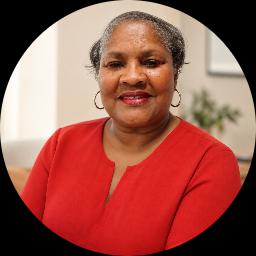
Oklahoma · 27 yrs exp
LPC in Oklahoma - Anger and stress concerns
Stress, Anxiety · Addictions · Parenting · Anger · +11 more
Read profile
Indiana · 12 yrs exp
LCSW clinician - Anger and mood concerns
Stress, Anxiety · Trauma and abuse · Self esteem · Bipolar · +10 more
Read profile
North Carolina · 20 yrs exp
LPC and LCMHC - Anger and Stress support
Stress, Anxiety · Parenting · Self esteem · Depression · +15 more
Read profileIf you live in a blended family you may already know how ordinary stressors can feel amplified. You might notice increased irritability, sudden outbursts, simmering resentment, or mutual blame as roles and routines shift. These reactions are common responses to change, grief, and boundary negotiation, and they can affect how you relate to partners, stepchildren, extended family, and colleagues at work. Frustration that builds up day after day can spill into conversations that matter most, and it can feel isolating when people around you seem to be on different schedules or expectations.
When anger appears it does not always look the same. For some people it is a short, sharp outburst; for others it is a low-level irritability that interferes with patience and connection. You may find yourself avoiding certain topics, replaying difficult interactions, or feeling worn down by repeated conflicts. Those feelings matter because they shape decisions about parenting arrangements, household rules, and how time is shared between households. If you or someone in your household faces immediate danger or ongoing abuse, contact emergency services or a domestic-abuse helpline in your area right away.
This directory groups profiles where therapists list Blended Family Issues as a focus alongside anger and frustration. That listing indicates a clinician has chosen to highlight those topics in their profile. It does not by itself prove a specific certification or guarantee a particular outcome. You should read profiles to see how individual therapists describe their experience, which approaches they mention, and which populations they identify. If your concern is how anger affects co-parenting, step-parent relationships, or logistical stress between households, you can look for profiles that discuss family transitions, communication patterns, or emotion regulation as part of the focus.
It is also helpful to keep in mind that the presence of anger in blended families is often one thread among many - grief over loss of a previous family structure, loyalty conflicts between children and biological parents, and the pressure of merging routines can all contribute to tension. Therapists who list anger or blended family issues among their focuses may describe a variety of ways they work with clients. When reading a profile you may see references to different approaches. Phrase descriptions such as therapists who list EMDR among their approaches or therapists who mention cognitive and behavioral strategies signal areas to explore further during an initial conversation rather than proof of a particular credential.
When you review profiles or speak with a clinician, having concrete questions can help you compare how well a therapist’s focus matches your needs. Ask about the kinds of blended family situations they commonly work with, for example whether they have experience with step-parenting transitions, high-conflict co-parenting, or families with young children and teenagers. You can ask which concerns they see most often - irritability, repeated outbursts, resentment, or stress that affects work and parenting - and how they typically begin that work in a first conversation.
Clarify how their profile language maps onto their practice by asking whether they work with individuals, couples, or families and whether a listed topic means they see children or work with parents around child-related issues. Ask how they describe their style - whether they emphasize practical skills like communication and boundaries, or whether they focus on exploring patterns and emotions over time. When credentials come up, note the difference between academic degrees and permissions to practice: degrees such as PhD, PsyD, MD, MA, or MSW describe academic or professional training, while licensing in the US and registration or membership in the UK and Australia describe the current permission frameworks. A degree alone does not establish that someone is authorized to practice in a particular jurisdiction, so it is reasonable to inquire directly about licensure or registration relevant to your location.
If you are considering remote sessions, there are specific practical and safety topics to cover before you begin. Confirm whether the clinician offers services to people in your listed location and ask about any jurisdictional limits on practice. Talk about what you hope to address - whether your priority is managing outbursts, reducing resentment, improving co-parenting communication, or coping with stress that affects work - so you and the clinician can agree on goals to explore. You should also discuss what happens in a crisis, including who to contact locally if an emergency arises and how the clinician handles urgent issues when they occur between sessions.
Technology and boundaries are part of the setup too. Ask how sessions are typically structured, what the expected length and rhythm of sessions are, and whether the clinician has a preference for email or messaging between meetings. Discuss any concerns about recording, note keeping, or how information from sessions will be shared or stored so you understand how they handle information and what to expect. You do not need to accept any invitation before you feel comfortable; the purpose of these conversations is to make sure the practical arrangements fit your needs and to establish mutual expectations.
Comparing profiles works best when you have a few consistent criteria to look at. Start with the focus areas listed on each profile and read the short descriptions to see whether a clinician highlights the specific problems you face - for example, whether they describe work with stepfamily transitions, boundary setting with ex-partners, or strategies for dealing with irritability and repeated conflict. Languages offered are important if you prefer to speak in your first language, so note any languages listed and consider how that will affect nuance in conversation.
Next, look at how credentials are presented. Profiles may show academic degrees such as PhD, PsyD, MD, MA, or MSW. Those degrees indicate areas of study but do not necessarily indicate current permission to provide care in every jurisdiction. In the United States many clinicians display state licenses; in the United Kingdom and Australia professionals often list registration, chartered status, or membership in recognized associations. Use profile wording such as licensed in a particular state, or registered with a national body, as prompts to ask about jurisdictional permission when you contact a clinician. Finally, pay attention to tone and style. Some profiles emphasise practical exercises and problem solving, while others describe a reflective, exploratory approach. Think about whether you want concrete skills to manage outbursts and irritability, or a space to explore the origins of resentment and family patterns. If you have children involved, remember that a listed topic does not guarantee that the clinician treats children or families - that is something to confirm directly.
Comparing profiles by these criteria can help you narrow your options and form targeted questions for an initial conversation. Profiles are a starting point for learning who might be a good fit rather than a final recommendation. Use them to gather information and then reach out to clinicians whose descriptions align with your priorities to ask the specific questions that matter to you.
Alabama
127 therapists
Alaska
17 therapists
Arizona
100 therapists
Arkansas
68 therapists
Australia
77 therapists
California
542 therapists
Colorado
154 therapists
Connecticut
78 therapists
Delaware
23 therapists
District of Columbia
16 therapists
Florida
854 therapists
Georgia
273 therapists
Hawaii
30 therapists
Idaho
48 therapists
Illinois
259 therapists
Indiana
114 therapists
Iowa
45 therapists
Kansas
55 therapists
Kentucky
109 therapists
Louisiana
166 therapists
Maine
41 therapists
Maryland
134 therapists
Massachusetts
95 therapists
Michigan
264 therapists
Minnesota
102 therapists
Mississippi
98 therapists
Missouri
225 therapists
Montana
51 therapists
Nebraska
34 therapists
Nevada
45 therapists
New Hampshire
19 therapists
New Jersey
175 therapists
New Mexico
41 therapists
New York
358 therapists
North Carolina
343 therapists
North Dakota
5 therapists
Ohio
224 therapists
Oklahoma
141 therapists
Oregon
54 therapists
Pennsylvania
292 therapists
Rhode Island
18 therapists
South Carolina
173 therapists
South Dakota
24 therapists
Tennessee
136 therapists
Texas
791 therapists
United Kingdom
1477 therapists
Utah
56 therapists
Vermont
13 therapists
Virginia
158 therapists
Washington
86 therapists
West Virginia
27 therapists
Wisconsin
123 therapists
Wyoming
18 therapists