
Velma Jones
LCSWNew York · 29 yrs exp
Licensed Clinical Social Worker - Anger, Relationships
Stress, Anxiety · Relationship · Trauma and abuse · Depression · +10 more
Read profileTherapists in the United States, United Kingdom and Australia
Need help right now?Therapist listings are provided by BetterHelp. We will earn a commission at no additional cost to you if you use our links to purchase.
Use this page to compare profiles of clinicians who list Jealousy along with anger and frustration as focus areas. Browse listed location, approaches, languages, degrees, and stated style to find profiles that match what you want to explore.
New York · 29 yrs exp
Licensed Clinical Social Worker - Anger, Relationships
Stress, Anxiety · Relationship · Trauma and abuse · Depression · +10 more
Read profile
South Carolina · 16 yrs exp
LMFT - Relationships and Anger support
Stress, Anxiety · Relationship · Family · Parenting · +14 more
Read profile
Texas · 13 yrs exp
LCSW - Anger and relationships
Stress, Anxiety · Relationship · Trauma and abuse · Anger · +11 more
Read profile
Minnesota · 14 yrs exp
Minnesota LMFT - Relationships and Anger
Stress, Anxiety · Relationship · Family · Trauma and abuse · +8 more
Read profile
Kentucky · 18 yrs exp
Licensed Marriage and Family Therapist - Anger and Relationships
LGBT · Relationship · Family · Self esteem · +14 more
Read profile
Connecticut · 48 yrs exp
LCSW - Relationships and Anger
Relationship · Family · Trauma and abuse · Parenting · +14 more
Read profile
South Carolina · 9 yrs exp
Licensed counselor - Anger and mood concerns
Stress, Anxiety · Addictions · Trauma and abuse · Self esteem · +13 more
Read profile
Florida · 7 yrs exp
Licensed counselor - Anger and addictions
Addictions · Relationship · Family · Trauma and abuse · +13 more
Read profile
Arizona · 23 yrs exp
Licensed counselor - Anger and mood concerns
Stress, Anxiety · Self esteem · Depression · Coping with life changes · +16 more
Read profile
Pennsylvania · 12 yrs exp
LPCC LMHC - Anger and Relationship concerns
Stress, Anxiety · Relationship · Self esteem · Depression · +11 more
Read profile
Arizona · 6 yrs exp
Licensed Professional Counselor - Stress and Relationships
Stress, Anxiety · Relationship · Family · Self esteem · +11 more
Read profile
Hawaii · 7 yrs exp
Licensed Marriage and Family Therapist - Anger and Relationships
Stress, Anxiety · Addictions · Relationship · Family · +11 more
Read profile
Missouri · 7 yrs exp
Licensed Professional Counselor - Anger and Addiction
Stress, Anxiety · Addictions · Relationship · Self esteem · +13 more
Read profile
Ohio · 33 yrs exp
Ohio LPCC - Anger and Trauma
Stress, Anxiety · Family · Trauma and abuse · Self esteem · +12 more
Read profile
Nebraska · 36 yrs exp
LIMHP - Anger and Relationship Concerns
Stress, Anxiety · Family · Grief · Intimacy-related issues · +12 more
Read profile
Louisiana · 16 yrs exp
LCSW in Louisiana - Mood and relationship concerns
Stress, Anxiety · Relationship · Trauma and abuse · Bipolar · +16 more
Read profile
Florida · 10 yrs exp
Licensed Clinical Social Worker - Anger and relationships
Stress, Anxiety · Addictions · Family · Grief · +8 more
Read profile
Texas · 21 yrs exp
LCSW - Anger and Relationship concerns
Stress, Anxiety · Relationship · Trauma and abuse · Intimacy-related issues · +15 more
Read profile
Texas · 6 yrs exp
Licensed Professional Counselor - Anger and Addiction
Stress, Anxiety · Addictions · Relationship · Trauma and abuse · +12 more
Read profile
Florida · 30 yrs exp
Florida clinical psychologist - Anger and mood concerns
Stress, Anxiety · Grief · Anger · Depression · +15 more
Read profile
Wisconsin · 11 yrs exp
Licensed Professional Counselor - Anger and Relationships
Stress, Anxiety · Family · Trauma and abuse · Depression · +12 more
Read profile
Florida · 10 yrs exp
Licensed Mental Health Counselor - Anger and Relationships
Stress, Anxiety · Family · Parenting · Self esteem · +10 more
Read profile
Texas · 23 yrs exp
LPC counselor - relationships and anger
Stress, Anxiety · Relationship · Self esteem · Career · +11 more
Read profile
Pennsylvania · 6 yrs exp
Licensed Professional Counselor - Anger and Relationships
Stress, Anxiety · LGBT · Relationship · Self esteem · +15 more
Read profile
Georgia · 22 yrs exp
LPC in Georgia - Anger and Stress work
Stress, Anxiety · Addictions · Trauma and abuse · Parenting · +11 more
Read profile
Nebraska · 25 yrs exp
LMHP - Anger and Stress Support
Stress, Anxiety · Family · Trauma and abuse · Parenting · +12 more
Read profile
Texas · 20 yrs exp
LICSW LCSW - Stress and Anger work
Stress, Anxiety · Addictions · Family · Grief · +15 more
Read profile
Florida · 20 yrs exp
Florida LMHC - Stress and Anger
Stress, Anxiety · Grief · Self esteem · Depression · +9 more
Read profile
Arkansas · 23 yrs exp
Licensed Professional Counselor - Anger and Relationships
Stress, Anxiety · Trauma and abuse · Anger · Self esteem · +11 more
Read profile
North Carolina · 16 yrs exp
LMFT - Relationships and Anger
Stress, Anxiety · Relationship · Family · Parenting · +8 more
Read profile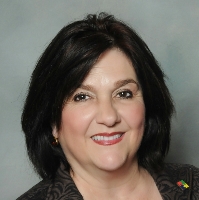
Florida · 12 yrs exp
LCSW - Anger and grief support
Grief · Self esteem · Career · Coping with life changes · +11 more
Read profile
Ohio · 17 yrs exp
Ohio LISW - Anger and relationships
Stress, Anxiety · Family · Parenting · Depression · +12 more
Read profile
Illinois · 38 yrs exp
Licensed Clinician - Anger and Life Stress
Stress, Anxiety · Self esteem · Depression · Coping with life changes · +9 more
Read profile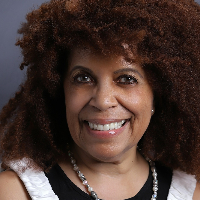
Tennessee · 15 yrs exp
Licensed Clinical Social Worker - Anger and Relationships
Stress, Anxiety · Relationship · Family · Self esteem · +9 more
Read profile
North Carolina · 16 yrs exp
Licensed Clinical Social Worker - Anger and Addictions
Stress, Anxiety · Addictions · Trauma and abuse · Anger · +13 more
Read profile
Kansas · 17 yrs exp
Licensed Clinical Professional Counselor - Anger and relationships
Stress, Anxiety · Relationship · Family · Anger · +10 more
Read profile
Texas · 5 yrs exp
Licensed Clinical Social Worker - Anger and Anxiety
Stress, Anxiety · Relationship · Family · Trauma and abuse · +9 more
Read profile
Louisiana · 10 yrs exp
Licensed Professional Counselor - Anger and relationships
Stress, Anxiety · Trauma and abuse · Anger · Self esteem · +8 more
Read profile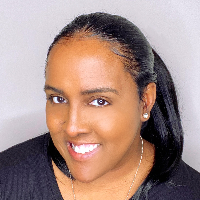
North Carolina · 20 yrs exp
LCSW - Anger and Mood Concerns
Stress, Anxiety · Addictions · Family · Career · +16 more
Read profile
South Carolina · 9 yrs exp
Licensed Professional Counselor - Anger and Relationships
Stress, Anxiety · Relationship · Trauma and abuse · Self esteem · +13 more
Read profile
Connecticut · 10 yrs exp
Licensed Clinical Social Worker - Anger and Relationships
Stress, Anxiety · Family · Trauma and abuse · Grief · +12 more
Read profile
Texas · 20 yrs exp
Licensed Professional Counselor - Anger and Relationships
Stress, Anxiety · Relationship · Family · Trauma and abuse · +13 more
Read profile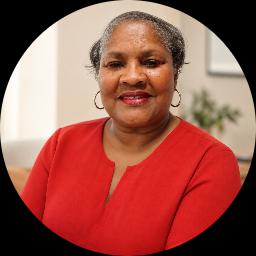
Oklahoma · 27 yrs exp
LPC in Oklahoma - Anger and stress concerns
Stress, Anxiety · Addictions · Parenting · Anger · +11 more
Read profile
Indiana · 12 yrs exp
LCSW clinician - Anger and mood concerns
Stress, Anxiety · Trauma and abuse · Self esteem · Bipolar · +10 more
Read profile
Florida · 18 yrs exp
Dr. Nicole Thweatt, LMHC - Anger and Relationship Concerns
Stress, Anxiety · Parenting · Anger · Self esteem · +13 more
Read profile
Pennsylvania · 15 yrs exp
Licensed Professional Counselor - Anger and Anxiety
Stress, Anxiety · Relationship · Self esteem · Depression · +14 more
Read profile
Wisconsin · 18 yrs exp
Licensed clinical social worker - Anger and life stress
Stress, Anxiety · Parenting · Self esteem · Depression · +11 more
Read profile
South Carolina · 20 yrs exp
Licensed Professional Counselor - Anger and Trauma
Stress, Anxiety · Relationship · Trauma and abuse · Anger · +11 more
Read profile
Texas · 19 yrs exp
Licensed counselor - Anger and relationships
Stress, Anxiety · Relationship · Family · Trauma and abuse · +12 more
Read profile
Illinois · 30 yrs exp
Dr Cassandra April LCPC - Anger and Family concerns
Family · Trauma and abuse · Grief · Depression · +7 more
Read profile
Florida · 32 yrs exp
LCSW - Stress and Anger concerns
Stress, Anxiety · Trauma and abuse · Grief · Depression · +14 more
Read profile
Michigan · 15 yrs exp
Licensed social worker - Anger and life transitions
Stress, Anxiety · LGBT · Relationship · Depression · +16 more
Read profile
Texas · 15 yrs exp
Licensed Professional Counselor - Anger and mood concerns
Stress, Anxiety · Grief · Self esteem · Depression · +13 more
Read profile
Texas · 17 yrs exp
Licensed counselor - mood and anger concerns
Stress, Anxiety · Addictions · Self esteem · Bipolar · +15 more
Read profile
New York · 25 yrs exp
Licensed Clinical Social Worker - Anger and Relationships
Stress, Anxiety · Relationship · Family · Trauma and abuse · +15 more
Read profile
Texas · 13 yrs exp
Licensed Professional Counselor - Relationships and Anger
Stress, Anxiety · Relationship · Family · Parenting · +14 more
Read profile
North Carolina · 20 yrs exp
Licensed counselor - Anger and Addictions
Stress, Anxiety · Addictions · Anger · Depression · +7 more
Read profile
Florida · 19 yrs exp
Licensed Clinical Social Worker - Anger and Relationships
Stress, Anxiety · Trauma and abuse · Grief · Depression · +9 more
Read profile
Delaware · 24 yrs exp
Licensed Marriage and Family Therapist - Anger and relationships
Relationship · Family · Trauma and abuse · Parenting · +14 more
Read profile
Colorado · 15 yrs exp
Licensed Professional Counselor - Anger and Trauma
Stress, Anxiety · Addictions · Trauma and abuse · Anger · +6 more
Read profileJealousy can show up in many ways - as recurrent worry about a partner’s attention, intense irritation at perceived slights, sudden outbursts, or ongoing resentment that wears on your mood and relationships. You might notice it increasing your stress, interrupting sleep, making you more reactive at work, or creating distance with friends and family. Some people experience jealousy as a background feeling they find hard to name, while others describe more acute episodes that feel overwhelming in the moment.
If you are exploring profiles here, you may be looking for someone to help you better understand what triggers those feelings, how they connect with other emotions such as anger or shame, and how to manage interpersonal impacts. The therapists listed on this page describe Jealousy among their areas of focus alongside anger and frustration. That listing is a starting point for comparison, not a guarantee of a particular result, so think about what outcomes you want to discuss when you contact a clinician.
Jealousy often overlaps with anger and frustration in ways that affect daily life. Irritability can make it harder to tolerate ordinary stressors and may lead to sharper exchanges with a partner or coworkers. Outbursts can follow when underlying fears or perceived threats build up, and resentment can accumulate over time if those concerns go unaddressed. At work, you may find it difficult to concentrate or to collaborate smoothly, and at home the emotional climate can become strained.
It helps to view jealousy as a signal about what matters to you rather than a moral failure. You can explore how situational triggers, past experiences, attachment patterns, and communication habits all play roles in how jealous feelings are expressed. Some profiles note a focus on anger and conflict-related concerns alongside Jealousy; that may be useful if your experience includes frequent frustration or difficulty regulating strong emotions. Remember that a therapist listing a topic is evidence they take it on in practice, not proof of specialization or specific credentials. If you are in immediate danger or experiencing violence, contact emergency services or a domestic-abuse helpline in your region right away.
When you read profiles, think in terms of concrete questions you can use to compare clinicians. You might ask how the clinician frames jealousy in therapy, whether they tend to work on emotion recognition, communication skills, or patterns that trigger resentment. Ask if they have experience addressing linked issues such as irritability, anger outbursts, relationship conflict, or workplace stress. You can also inquire about what their usual goals are with clients who bring jealousy - for example, improving trust-building conversations, reducing reactive responses, or managing intrusive thoughts.
Clarify the language a profile uses about approaches. Therapists who list CBT among their approaches, for example, may use cognitive strategies to examine beliefs that fuel jealousy. Those who list emotion-focused approaches may prioritize exploring underlying feelings and needs. Therapists who list couples work may describe whether they meet with partners together or focus on individual coping first. Remember that a listing of an approach is not the same as documented training; profiles reflect what clinicians report they work with and the ways they describe their practice.
If you plan to connect online, there are specific topics to cover so you can make an informed decision. Discuss how the therapist manages safety if you experience overwhelming anger or feel at risk of harming yourself or others. Ask what steps they suggest for crisis situations and whether they will help you identify local emergency resources. If relationship issues are central, ask how they handle information-sharing boundaries and whether they see partners separately or together, and make sure you understand what the profile indicates about scope of practice.
Talk about practical matters too, such as the therapist's listed location and how they handle cross-jurisdictional practice - some clinicians work across regions while others are limited by regulation. If language matters to you, confirm the languages in which they can communicate. You should also ask about session structure, whether they use specific techniques to manage acute outbursts in-session, and how they track progress toward agreed goals. If anyone in your household is currently unsafe because of anger or abuse, seek immediate help from emergency services or a local domestic-abuse helpline before arranging or continuing online sessions.
Profiles vary in how they present focus areas, background, and professional credentials. Look for clear descriptions of the concerns a clinician addresses, such as Jealousy, anger, or difficulty with frustration, and note the ways they describe working with those concerns. If a profile lists additional focus areas like relationship conflict or stress management, consider whether that breadth matches what you need. Language options are important if you want therapy in a language other than English; profiles often indicate which languages a clinician uses in practice.
Pay attention to how credentials are described. Academic degrees such as PhD, PsyD, MD, MA, and MSW indicate levels of education but are not the same as licensing or registration. In the United States you may see license designations; in the United Kingdom clinicians often note registration or memberships with professional bodies; in Australia profiles may mention registration or membership as well. A degree alone does not establish current permission to practice, so if that distinction matters to you, ask the clinician to clarify their credentialing and regulatory status. Also consider the tone and style conveyed in a profile - some clinicians describe a direct, skills-oriented approach while others emphasize a reflective, exploratory style. Think about which tone would help you feel understood and motivated to work on the challenges jealousy raises for you.
As you narrow your options, prepare a short set of priorities to discuss in an initial conversation. Share briefly what you want to change or understand about your jealous feelings, mention any related issues like frequent irritability or anger outbursts, and ask how the clinician typically frames early sessions. You can request examples of the kinds of strategies they might use, phrasing the question in a way that invites practical description rather than training claims. Ask how they measure progress and what they recommend if symptoms escalate between sessions.
Remember that profiles are a tool to help you compare style, focus areas, languages, and credentials. They are not a substitute for a direct conversation about your needs and the clinician’s scope of practice. Take time to read several profiles, note concrete questions to bring forward, and choose a clinician whose stated approach and language match the way you want to work. If you are ever in immediate danger or worried about safety, contact emergency services or a domestic-abuse helpline in your area before making arrangements to begin therapy.
Alabama
127 therapists
Alaska
17 therapists
Arizona
100 therapists
Arkansas
68 therapists
Australia
77 therapists
California
542 therapists
Colorado
154 therapists
Connecticut
78 therapists
Delaware
23 therapists
District of Columbia
16 therapists
Florida
854 therapists
Georgia
273 therapists
Hawaii
30 therapists
Idaho
48 therapists
Illinois
259 therapists
Indiana
114 therapists
Iowa
45 therapists
Kansas
55 therapists
Kentucky
109 therapists
Louisiana
166 therapists
Maine
41 therapists
Maryland
134 therapists
Massachusetts
95 therapists
Michigan
264 therapists
Minnesota
102 therapists
Mississippi
98 therapists
Missouri
225 therapists
Montana
51 therapists
Nebraska
34 therapists
Nevada
45 therapists
New Hampshire
19 therapists
New Jersey
175 therapists
New Mexico
41 therapists
New York
358 therapists
North Carolina
343 therapists
North Dakota
5 therapists
Ohio
224 therapists
Oklahoma
141 therapists
Oregon
54 therapists
Pennsylvania
292 therapists
Rhode Island
18 therapists
South Carolina
173 therapists
South Dakota
24 therapists
Tennessee
136 therapists
Texas
791 therapists
United Kingdom
1477 therapists
Utah
56 therapists
Vermont
13 therapists
Virginia
158 therapists
Washington
86 therapists
West Virginia
27 therapists
Wisconsin
123 therapists
Wyoming
18 therapists