- CBT tools
- ACT strategies
- DBT skills
About Antimoore
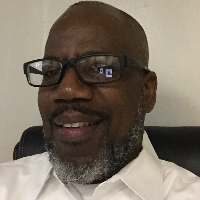
Dr. Antimoore Jackson is an LCSW (Licensed Clinical Social Worker) practicing in Arkansas with 40 years of experience. He works with adults facing stress, anxiety, addiction, trauma, depression, anger, relationship strain, and related concerns. He speaks English and focuses on practical help for day-to-day problems.
He draws on a wide range of work settings over many years. That background includes time with young people in foster care and justice settings, professionals, and people dealing with substance use. Those varied experiences have shaped how he notices patterns and gets to the root of repeated problems.
In sessions he is direct and interactive. He listens, points out where patterns repeat, and offers clear strategies to change reactions and choices. He uses straightforward techniques to manage strong feelings, reduce tension at work, and repair strained interactions with people close to you.
His methods include cognitive behavioral tools to change unhelpful thoughts and behaviors, acceptance and commitment ideas to clarify values and actions, and skills from dialectical behavior therapy to handle strong emotions. Attachment-based ideas are part of understanding relationship patterns.
He also draws on client-centered ways of talking so the conversation stays focused on what matters to the person in front of him. Many people come for help with anger, grief, parenting stress, or career pressures and leave with clearer steps to try between sessions.
How his approaches translate to online work
Acceptance and Commitment Therapy (ACT) focuses on helping someone clarify what matters to them and take small actions in that direction despite uncomfortable feelings. It can help with anger that comes from feeling stuck or conflicted about values. Cognitive Behavioral Therapy (CBT) looks at the link between thoughts, feelings, and behavior and teaches concrete skills to change unhelpful patterns. CBT is often used to reduce reactive behavior and ease workplace or relationship stress.Finding the right approach is part of the therapeutic process. He will work together with a client to choose which methods to try first, monitor what helps, and adjust the plan based on goals and preferences. That collaborative process aims to fit techniques to the person's life rather than forcing a single model.
Confirm the session formats before booking so you know what is available now. Online work can make it easier to fit sessions into a busy week, reduce travel time, and allow short check-ins when schedules are tight. It can also let someone use fewer visual demands if they prefer a phone-style check-in. Talk with him about what will best fit everyday life and practical constraints rather than assuming a specific format.
Areas of expertise
Primary focus
Also works with
Additional focus areas
Therapeutic approaches
Experience
40+ years
Listed in
Arkansas
Languages
English
Frequently asked questions
What kinds of problems does he help with?
He addresses stress, anxiety, addictions, trauma, depression, anger, relationship strain, grief, parenting stress, career issues, and related concerns.
What is his style in therapy?
He uses a direct, interactive approach that points out repetitive patterns and offers practical strategies to try between sessions.
How much clinical experience does he have?
He has 40 years of experience working across diverse clinical settings and populations.
What are his credentials and where is he based?
He is an LCSW licensed in Arkansas and practices there.
Does he work in languages other than English?
Sessions are offered in English only.
What session formats are offered?
Confirm the current session options before booking to know which formats he is offering now.
How does pricing work?
Costs vary with location and sessions use a subscription that can be canceled at any time.
How do I begin a first session?
Select the See online therapy options button, complete a short matching questionnaire, and schedule an initial session.