- Cognitive Behavioral Therapy
- Solution-Focused Therapy
- Veteran and men's issues
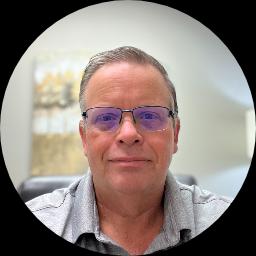
About Michael
Michael Nichols is a Licensed Clinical Mental Health Counselor (LCMHC) in North Carolina with 20 years of professional experience. He works with adults coping with stress, anxiety, anger, relationship strain, depression, and major life changes. He also addresses communication problems, impulsivity, men's issues, veteran and armed forces concerns, and social anxiety and phobia.
In sessions he uses straightforward conversation and goal-focused work. He leans on Cognitive Behavioral Therapy to spot and change patterns of thinking that increase stress and anger. He also draws on Solution-Focused Therapy to set short-term goals and find concrete steps that reduce day-to-day frustration.
Michael prefers practical strategies you can try between sessions. This includes simple behavior experiments, breathing and grounding techniques, and communication practice to lower reactivity in tense moments. He helps people organize small changes and track what makes a difference over time.
He describes the first appointment as a chance to lay out immediate concerns and a few target goals. From there he and the client map a plan that focuses on skills practice and problem-solving rather than long, abstract discussion. Progress is checked regularly so the plan can change if needed.
Sessions are conducted in English and follow the counselor-client process used in North Carolina. To begin, clients complete a short matching questionnaire and schedule a first session to discuss priorities and next steps.
How his approaches translate to online sessions
Michael practice commonly used methods including Cognitive Behavioral Therapy and Solution-Focused Therapy. Cognitive Behavioral Therapy looks at the links between thoughts, feelings, and actions and teaches simple exercises to reduce anxiety and anger. Solution-Focused Therapy concentrates on setting clear, short-term goals and finding small steps that move a person toward those goals.Choosing the right approach is part of the work in the first few sessions. He will collaborate with each person to decide which methods match their needs, goals, and preferences. That may mean combining CBT skill practice with solution-focused goal setting and adjusting the plan as progress is tracked.
The practical benefits of meeting online are framed around fitting sessions into everyday life. Confirm current session options before booking, as formats are not specified here. Online work can make it easier to schedule sessions during a workday break, avoid travel time, or do quick check-ins when a full in-person visit is difficult. Therapists can assign short practice tasks to try between meetings so skills are built into daily routines.
Areas of expertise
Primary focus
Additional focus areas
Therapeutic approaches
Experience
20+ years
Listed in
North Carolina
Languages
English
Frequently asked questions
What kinds of problems does he address?
He works with stress, anxiety, anger, relationship strain, depression, and coping with life changes. Additional focuses include communication problems, impulsivity, men's issues, veteran and armed forces concerns, and social anxiety and phobia.
What is his therapy style?
He uses practical, goal-focused sessions that mix conversation with skills practice. Sessions emphasize identifying thinking patterns and trying small behavioral changes between meetings.
How much experience does he have?
He has 20 years of professional work experience providing counseling and related services.
What credential does he hold and where is he based?
He is an LCMHC and is licensed in North Carolina.
Which languages are supported?
Sessions are offered in English.
Can international clients work with him?
International clients are not currently accepted.
How does payment work?
Cost varies with location and sessions use a subscription that can be canceled at any time.
What are the first steps to get started?
Select the See online therapy options button, complete a short matching questionnaire, and schedule a first session to discuss priorities and next steps.