- Client-centered approach
- Solution-focused work
- CBT and DBT skills
About Nicole
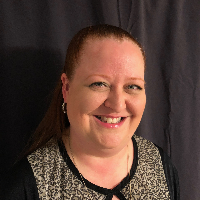
Nicole Thomte is a Licensed Marriage and Family Therapist (LMFT) practicing in Minnesota with 13 years of clinical experience. She works with people dealing with stress, anxiety, relationship and intimacy concerns, grief, trauma and abuse, anger, mood disorders, and related issues. Nicole uses an affirmative approach for LGBTQIA+ and kink and non-monogamous communities. Sessions are guided by the client’s goals and values.
Nicole takes a client-centered stance that treats the person in front of her as the expert. She leans on solution-focused methods to help identify small, practical steps that change daily life. Cognitive Behavioral Therapy and Dialectical Behavior Therapy skills are used when that practical, skills-based work fits the concern.
Her background includes work at a behavioral health agency and years of group facilitation with survivors of sex- and gender-based violence. That work shaped how she notices patterns, access to resources, and the stresses people face when systems make life harder.
Nicole describes her style as non-directive and exploratory. She asks questions, highlights connections, and offers perspectives rather than giving labels. Humor is sometimes part of sessions when it helps people relieve tension.
She also supports conversations about sexuality, kink, polyamory, gender dysphoria, and sexual identity without assuming a single norm. Her practice includes attention to chronic illness and disability, multicultural concerns, and the strains of caregiving and compassion fatigue.
How Nicole’s approaches translate to online work
Client-centered therapy focuses on listening and following what matters most to the client. Sessions look at the client’s goals and values and build from there. This approach helps when someone wants to sort out relationship conflicts, identity questions, or how anger shows up in daily life.Cognitive Behavioral Therapy (CBT) teaches practical skills to shift unhelpful thinking and behaviors. CBT is useful for anxiety, low mood, panic, and patterns that keep stress high. Dialectical Behavior Therapy (DBT) adds skills for emotion regulation, distress tolerance, and clearer communication, which can be useful for people who want concrete tools to manage intense feelings.
Finding the right approach is collaborative. Nicole will discuss which methods seem useful and try practical exercises together. She adapts strategies based on the client’s goals, preferences, and what works in regular life.
The therapist’s profile does not list specific session formats here, so confirm current options before booking. In general, online work can make it easier to fit sessions into a busy schedule, shorten travel time, and use skill practice between meetings. It can also allow for shorter check-ins or phone-based conversations when a full session is hard to schedule. Ask about formats when you complete the matching questionnaire so you know how sessions will be arranged.
Areas of expertise
Primary focus
Also works with
Additional focus areas
Therapeutic approaches
Experience
13+ years
Listed in
Minnesota
Languages
English
Frequently asked questions
What kinds of problems does she help with?
Nicole works with stress, anxiety, relationship and intimacy issues, grief, trauma, anger, mood disorders, and related concerns listed in her profile.
How would you describe her therapy style?
Her style is client-centered and largely non-directive. She uses solution-focused work and practical skills from CBT and DBT when helpful.
How much experience does she have?
She has 13 years of clinical experience, including agency work and several years facilitating survivor groups.
What are her credentials and where is she based?
She is a Licensed Marriage and Family Therapist, MN LMFT, and practices in Minnesota.
Which languages are sessions offered in?
Sessions are offered in English.
Does she accept clients outside the United States?
She does not accept international clients at this time.
How does pricing work for sessions?
Cost varies with location and sessions use a subscription that can be canceled at any time.
What do I do to start a first session?
Use the See online therapy options button, complete the short matching questionnaire, and schedule your first session.