- ACT and mindfulness
- Client-centered work
- Solution-focused tools
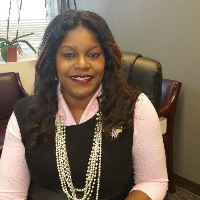
About Shaketha
Dr. Shaketha Blankenship is a Licensed Professional Counselor (LPC) in Georgia with 25 years of clinical experience. She works with adults who are dealing with stress, anxiety, grief, anger, depression, and related challenges. Sessions focus on practical steps people can use to manage everyday difficulties and improve relationships.
She draws on several approaches including Acceptance and Commitment Therapy, Client-Centered Therapy, Solution-Focused Therapy, and Mindfulness Therapy. In sessions she listens to what matters most, helps clarify goals, and suggests small experiments people can try between meetings. The work is conversational and action-oriented rather than academic.
People come for help with parenting strain, relationship tension, intimacy worries, and career stress as well as trauma, abuse, ADHD, and identity-related concerns. She uses straightforward techniques to reduce reactivity, build skills for handling anger, and improve coping with change. The focus is on what to do differently day to day.
Her style emphasizes collaboration. Clients and she plan what to work on and how to track progress. Sessions often include short mindfulness exercises, values clarification, and practical problem-solving tools to use outside of appointments.
Dr. Blankenship also helps people dealing with compassion fatigue and the long-term effects of grief. She frames the work as step-by-step practice rather than quick fixes. Prospective clients are encouraged to review session options and pick what fits their schedule.
How her approaches translate to online work
Acceptance and Commitment Therapy (ACT) focuses on clarifying personal values and taking committed steps toward them while learning to live with difficult thoughts and feelings. It is useful when anger or anxiety gets in the way of what matters most. Mindfulness Therapy uses simple attention practices to reduce reactivity and increase moment-to-moment awareness, which can help people notice triggers and choose different responses. Client-Centered Therapy emphasizes a collaborative, respectful relationship where the therapist listens and reflects to help people find their own solutions.Finding the right approach is part of the therapeutic process. She works together with each person to match methods to their goals and preferences, trying techniques and adjusting what doesn’t fit. The aim is practical: identify a manageable change and test it in daily life.
Confirm current session options before booking since formats are not specified here. Online work can make it easier to fit sessions into busy schedules, allow shorter check-ins when time is limited, and remove travel time so therapy becomes part of a regular routine. Therapists generally help tailor session length and focus to what people need so the work fits into ordinary days.
Areas of expertise
Primary focus
Also works with
Therapeutic approaches
Experience
25+ years
Listed in
Georgia
Languages
English
Frequently asked questions
What kinds of concerns does she address?
She works with stress, anxiety, grief, anger, depression, ADHD, relationship and parenting concerns, trauma and identity-related issues.
How would you describe her therapeutic style?
Her approach is conversational and practical, combining acceptance-based, client-centered, mindfulness, and solution-focused techniques to find workable steps.
How much experience does she bring?
She has 25 years of experience working in counseling roles with a range of client concerns.
What are her credentials and where is she based?
She is a Licensed Professional Counselor (LPC) based in Georgia.
Which languages are available for sessions?
Sessions are offered in English.
Can people outside the United States work with her?
International clients are not currently accepted.
How are fees and payments handled?
Cost varies with location and sessions use a subscription that can be canceled at any time.
What steps are needed to begin working together?
Select the See online therapy options button, complete a short matching questionnaire, and schedule a first session.