- Client-Centered Therapy
- Cognitive Behavioral Therapy
- Gottman Method
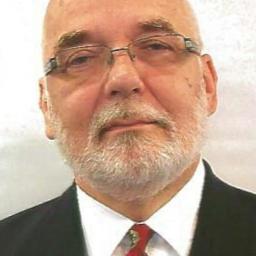
About Alfred
Alfred Mayer is a Licensed Clinical Social Worker (LCSW) practicing in Connecticut with over 30 years of experience. He addresses stress, anxiety, depression, relationship strain, grief, and anger among other concerns. He also supports people dealing with addictions, bipolar symptoms, and challenges around intimacy and self-esteem.
He offers individual psychotherapy, couples counseling, family work, group therapy, and drug and alcohol counseling. He has worked with hospice and end-of-life issues and with people facing major life transitions. His background spans both short-term and longer-term approaches to emotional and behavioral concerns.
In sessions he listens carefully and engages interactively. He uses Client-Centered Therapy to follow what matters most to the person and Solution-Focused Therapy to identify practical next steps. He also draws on Cognitive Behavioral Therapy to address unhelpful thinking patterns and the Gottman Method for relationship work.
Clients can expect straightforward conversation about what is causing distress and what small changes might help. He offers coaching-style guidance when helpful and focuses on skills that can be practiced between sessions. He frames therapy as problem-solving combined with an exploration of patterns that keep difficulties repeating.
Alfred works in English and practices in Connecticut. He holds the LCSW credential and brings decades of varied clinical experience to common life problems such as work stress, family tensions, grief, and anger management.
How his approaches translate to online work
Client-Centered Therapy focuses on listening and following the client's priorities. In practice this means sessions begin with what feels most urgent, and the therapist helps clarify goals and next steps. Cognitive Behavioral Therapy (CBT) looks at thoughts and behaviors and teaches practical tools to reduce symptoms like anxiety or anger. The Gottman Method is used for relationship-focused work and teaches specific communication and conflict skills useful in partnerships.Choosing an approach is collaborative. The therapist will talk through which methods match a person's needs and preferences. Together they set goals and try short-term steps to see what helps, then adjust the plan based on what actually changes.
Session formats are not listed in the biography, so please confirm current options before booking. Online work can make it easier to fit sessions into a day, allow shorter check-ins when schedules are tight, and reduce travel time. Licensed professionals often use the same therapeutic tools online as they do in person, adapting exercises, homework, and communication skills practice for remote sessions.
Areas of expertise
Primary focus
Also works with
Additional focus areas
Therapeutic approaches
Experience
3+ years
Listed in
Connecticut
Languages
English
Frequently asked questions
What kinds of problems does he address?
He works with stress, anxiety, depression, grief, anger, relationship issues, addictions, bipolar concerns, self-esteem, intimacy issues, eating problems, trauma and life changes.
How would you describe his therapeutic style?
He practices a mix of client-centered listening and interactive problem-solving. He combines practical skills work with exploration of recurring patterns.
How much clinical experience does he have?
He is a Licensed Clinical Social Worker with over 30 years of experience in individual, couples, family, group, and substance use counseling.
What credential and location information is on file?
He holds the CT LCSW credential and is based in Connecticut.
Which languages are used in sessions?
Sessions are offered in English only.
Does he work with clients outside the United States?
He does not accept international clients at this time.
How are fees and payment handled?
Cost varies with location and services. Sessions use a subscription that can be canceled at any time.
How do I begin the process?
Use the See online therapy options button, complete the short matching questionnaire, and schedule a first session.