- ACT methods
- CBT techniques
- Mindfulness practice
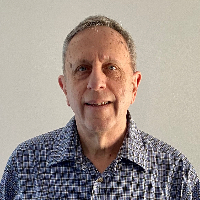
About Dave
Dave Boldebook is a licensed clinical social worker - LCSW - practicing in Maine with 20 years of experience. He works with people facing stress, anxiety, grief, depression, anger, relationship and parenting concerns, and other life changes. Sessions are described in straightforward, practical terms to help people decide if this approach fits their needs.
He earned a master’s degree in social work in 1998 from the University of New England in Maine. His work history includes community and residential settings with clients across the lifespan. That background informs how he balances practical problem solving with attention to personal values and meaning.
In sessions he blends client-centered methods with cognitive-behavioral ideas and mindfulness practices. He also draws on Acceptance and Commitment Therapy (ACT) and existential perspectives when those approaches fit. This means conversations often focus on noticing thoughts and feelings, clarifying values, and testing small behavior changes.
Dave emphasizes the relationship as a part of the work. He aims to be direct and genuine, listens closely, and challenges with care when needed. He also helps people build tools to manage stress, cope with loss, and reduce frustration that shows up as anger.
Practical goals come from each person’s situation. That could be making short-term changes to sleep and routines, practicing skills to handle triggers, or working through grief and caregiving stress. He accepts international clients and conducts work from his Maine practice.
How ACT, CBT and client-centered work translate online
Acceptance and Commitment Therapy (ACT) focuses on noticing thoughts and feelings and acting based on chosen values. It helps people manage anger and difficult emotions by practicing small steps that align with what matters to them. Cognitive Behavioral Therapy (CBT) looks at how thoughts, behaviors, and feelings connect and teaches practical skills to change patterns like rumination or avoidance. Client-Centered Therapy emphasizes a respectful, listening stance that helps someone feel heard and make sense of their situation.Finding the right approach is part of the process. The therapist and client decide together which methods to use based on the person’s goals, preferences, and what shows up in sessions. That collaborative process can shift over time as needs change.
Confirm the current session formats before booking. Many people find virtual work helps fit therapy into a busy life - it can make it easier to have shorter check-ins during a break, reduce travel time, or allow sessions when work or caregiving schedules are tight. Talk with the therapist about what will work best for scheduling, session length, and whether you prefer audio, video, or another option before your first meeting.
Areas of expertise
Also works with
Additional focus areas
Therapeutic approaches
Experience
20+ years
Listed in
Maine
Languages
English
Frequently asked questions
What kinds of concerns does he address?
He works with stress, anxiety, grief, depression, anger, relationship and parenting concerns, and several medical and caregiving issues.
How would you describe his therapeutic style?
He blends client-centered listening with cognitive-behavioral and mindfulness approaches and uses ACT and existential ideas as needed.
How much experience does he have?
He has 20 years of counseling and therapy experience, including work in community and residential settings.
What are his credentials and where is he based?
He is an LCSW (licensed clinical social worker) practicing in Maine.
Which languages are supported for sessions?
Sessions are offered in English.
Can people outside the United States work with him?
He accepts international clients.
How are session costs handled?
Cost varies with location and sessions use a subscription that can be canceled at any time.
What are the first steps to get started?
Select the See online therapy options button, complete a short matching questionnaire, and schedule a first session.