- ACT techniques
- CBT strategies
- Attachment focus
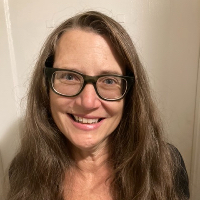
About May
May Kirby is a Licensed Professional Counselor (LPC) practicing in South Carolina with ten years of clinical experience. She works with stress, anxiety, relationship challenges, trauma and abuse, self-esteem struggles, depression, addictions, and anger among other concerns. May also supports people dealing with grief, intimacy issues, sleep and eating problems, career transitions, ADHD, and compassion fatigue.
She draws on several therapeutic approaches to guide sessions, including Acceptance and Commitment Therapy, Attachment-Based Therapy, Client-Centered Therapy, Cognitive Behavioral Therapy, and Existential Therapy. In sessions she focuses on building a strong therapeutic relationship first. That relationship is the basis for trying new strategies and making practical changes.
People meet May when they are tired of recurring patterns. She listens for what keeps those patterns going. Then she helps pick small, manageable steps to try in daily life. Sessions mix straightforward conversation with exercises drawn from her approaches, such as noticing thoughts, testing assumptions, and practicing alternative responses.
May pays attention to how past relationships affect current reactions. She helps people understand those links and practice different ways of relating. She also works on skills for managing intense feelings like anger so reactions feel less automatic and more chosen.
Her style is direct and practical. She values collaboration and checks in about what is working. To start, she asks about current struggles and what a better day looks like, then outlines options to explore together.
How her approaches translate to online work
Acceptance and Commitment Therapy (ACT) helps people notice unhelpful thoughts, clarify values, and take small steps toward what matters. It can be useful for anger, anxiety, and life transitions. Attachment-Based Therapy looks at how early relationship patterns shape reactions now and guides practice of different ways to relate. Client-Centered Therapy focuses on listening and reflecting so people can find their own direction and solutions.Choosing the right approach is part of the therapeutic process. She collaborates with each person to decide which methods to try based on needs, goals, and preferences. That means revisiting techniques and adjusting plans when something does not fit.
Confirm the current session formats before booking, as the biography does not list specific delivery options. Online work can make it easier to fit sessions into a busy week and can reduce travel time. It can also allow shorter check-ins when schedules are tight or audio-only meetings when bandwidth is limited. Discussing practical arrangements is part of the first appointment so sessions can be arranged to fit everyday life.
Areas of expertise
Primary focus
Also works with
Additional focus areas
Therapeutic approaches
Experience
10+ years
Listed in
South Carolina
Languages
English
Frequently asked questions
What concerns does she help with?
She works with stress, anxiety, depression, relationship problems, trauma and abuse, addictions, anger, and related issues such as grief and ADHD.
What is her therapy style?
She emphasizes a strong therapeutic relationship and uses direct, practical conversation paired with targeted exercises from several approaches.
How much clinical experience does she have?
She has ten years of experience in clinical settings, including intensive outpatient mental health treatment work.
What credentials and location apply?
She is a Licensed Professional Counselor (LPC) practicing in South Carolina.
Are sessions offered in languages other than English?
Sessions are offered in English.
Can international clients work with her?
She accepts international clients, so people outside the U.S. may inquire about working together.
How are fees and payment handled?
Cost varies with location and sessions use a subscription model that can be canceled at any time.
How do I begin working with her?
Select the See online therapy options button, complete a short matching questionnaire, and schedule a first session.