- Holistic perspective
- Practical coping skills
- Collaborative approach
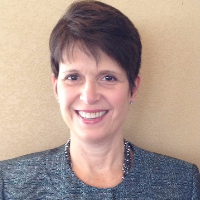
About Terri
Terri Benton is a Licensed Mental Health Counselor (LMHC) with 22 years of experience based in Massachusetts. She trained at Lesley University where she earned a master's in Holistic Psychology, and she has worked in mental health since 2006. Terri helps people who are facing relationship strain, grief, stress, anxiety, anger, and life changes. She also supports those dealing with trauma, addictions, depression, bipolar disorder, and issues around intimacy and self-esteem.
Terri's approach looks at the whole person rather than fitting someone into a single label. She pays attention to life experiences, values, beliefs, and daily routines when talking through problems. If something matters to the client, it becomes part of the work. She uses practical conversation and, when it fits, a sense of humor to keep sessions grounded.
She has worked with a wide range of concerns for over two decades. That experience shapes how she notices patterns and suggests next steps. Rather than give one-size-fits-all solutions, she aims to understand what a person brings to the room and what they want to change. Clients are invited to collaborate on goals and methods.
Terri mentions that people teach her as much as she teaches them. That perspective shows in the way she frames sessions as two people working together to make sense of problems. Her practice reflects an interest in practical coping skills, life changes, and finding more meaning and ease in day-to-day life.
She welcomes questions about her work and encourages prospective clients to check details before booking a first session.
How evidence-based techniques are used in online sessions
Terri describes her work as taking every part of a person into account, and that idea shapes how she uses evidence-based techniques. One common approach is skills-based work for managing strong emotions. This focuses on concrete strategies to notice triggers, slow escalation, and reduce the chance of losing temper in close relationships.Another approach emphasizes processing past events that still affect day-to-day life. That work helps people understand repetitive patterns, reduce reactivity, and make clearer choices about how to respond in stressful situations. Both approaches are practical and aimed at clearer thinking and steadier behavior rather than labels or quick fixes.
Finding the right approach is part of the therapeutic process. The therapist and client decide together which techniques to try based on goals, current problems, and how a person prefers to work. That collaborative planning helps make sessions feel useful and focused on real-life changes.
Confirm the specific online session formats before booking, as the biography does not list formats explicitly. In general, virtual sessions can make it easier to fit therapy into a workday, cut commute time, or allow a shorter check-in when needed. Discussing practical needs and scheduling options during the matching step will clarify what format will work best.
Areas of expertise
Primary focus
Also works with
Experience
22+ years
Listed in
Massachusetts
Languages
English
Frequently asked questions
What kinds of concerns does she help with?
She works with relationship strain, grief, trauma, stress, anxiety, anger, depression, bipolar disorder, addictions, intimacy and self-esteem issues, and related challenges.
How would you describe her therapeutic style?
She takes a whole-person approach and talks through life experiences, values, and routines. Sessions are collaborative and often include practical steps to manage feelings and behavior.
How much clinical experience does she have?
She has 22 years of experience in mental health work, practicing since 2006 after completing her master's degree.
What are her credentials and where is she based?
She holds an MA and is a Licensed Mental Health Counselor (LMHC) practicing from Massachusetts.
Which languages are sessions offered in?
Sessions are offered in English.
Does she work with international clients?
She accepts international clients as part of her practice.
How does payment and cost work?
Cost varies with location and sessions use a subscription model that can be canceled at any time.
How do I begin a first session?
Start by selecting the See online therapy options button, complete a short matching questionnaire, and schedule a first session.