- CBT techniques
- DBT skills
- Motivational interviewing
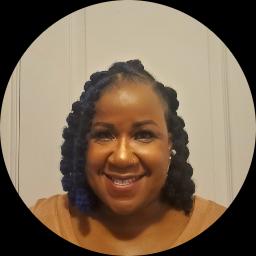
About Carolyn
Carolyn Smith is a Licensed Professional Counselor (LPC) practicing in Texas with five years of clinical experience. She works with adults on problems such as anger, anxiety, depression, addictions, and relationship issues. Sessions focus on practical skills and clearer communication rather than labels or promises.
Carolyn draws on her background as a retired 20-year Army veteran to inform how she talks about stress, transitions, and the push-pull of duty and personal life. She also brings attention to cultural factors that affect how people cope and make decisions. That perspective is part of how she helps people name what is happening and plan next steps.
Her work blends Client-Centered Therapy, Cognitive Behavioral Therapy (CBT), Dialectical Behavior Therapy (DBT), Motivational Interviewing, and Narrative Therapy. In session she will listen, reflect what she hears, and offer concrete tools to manage intense feelings, change unhelpful thoughts, or shift unhelpful patterns.
Carolyn helps people develop communication habits that reduce conflict and increase clarity. She also supports clients who want to address grief, sleep and eating concerns, self-esteem, or the strain of caregiving and compassion fatigue. Her approach is straightforward and focused on usable skills.
Clients who want a plan for coping with anger, improving relationships, or navigating life changes can expect collaborative goal-setting and practice of new skills. To begin, clients follow the site process to match and schedule a first session.
How therapeutic approaches translate to online work
Client-Centered Therapy focuses on listening and reflecting what the client says. It helps people feel heard while they sort out anger, grief, or relationship problems. Cognitive Behavioral Therapy (CBT) looks at how thoughts affect feelings and behavior and gives practical exercises to change patterns that fuel anger. Dialectical Behavior Therapy (DBT) teaches emotion regulation and distress tolerance skills useful when feelings become overwhelming.Finding the right mix of approaches is part of the work. Carolyn will collaborate with each person to decide which methods fit their goals and preferences. That can mean trying one approach for a few sessions, then adjusting based on what helps most.
Confirm current session options before booking to know which online formats are offered. Online sessions can make it easier to fit therapy into a busy day, allow shorter check-ins when needed, and remove travel time. The focus is on practical, usable strategies you can try between sessions so skills translate into everyday situations.
Areas of expertise
Primary focus
Also works with
Additional focus areas
Therapeutic approaches
Experience
5+ years
Listed in
Texas
Languages
English
Frequently asked questions
What concerns does she address related to anger?
She works with anger alongside issues like stress, relationships, trauma, and addictions. The focus is on managing intense feelings and preventing conflict from escalating.
How would you describe her therapeutic style?
Carolyn uses a practical, collaborative style that combines Client-Centered care with CBT, DBT, and motivational interviewing. Sessions emphasize skill practice, clearer communication, and problem solving.
What is her background and experience?
She is a retired 20-year Army veteran with five years as a Licensed Professional Counselor. That background shapes how she approaches transitions and stress.
What credential and location does she hold?
She is an LPC licensed in Texas and provides services based in Texas.
Which languages are available for sessions?
Sessions are offered in English.
Can international clients work with her?
International clients are not accepted at this time.
How does payment and cost work?
Cost varies with location and sessions use a subscription model that can be canceled at any time. Check the signup details for exact pricing.
What are the steps to start working together?
Use the See online therapy options button, complete the short matching questionnaire, and schedule a first session. That begins the intake and planning process.