- CBT methods
- Client-centered work
- Solution-focused goals
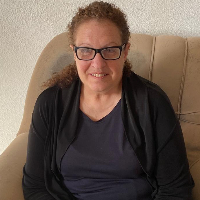
About Karen
Karen Coupe is a Licensed Professional Counselor (LPC) in New Jersey with 25 years of experience. She helps people manage stress, anxiety, depression, addictions, grief, anger, and life transitions. She also supports those dealing with intimacy-related problems, career concerns, and issues around self-esteem and body image.
Her style is interactive and client-centered. She listens and talks through what is happening now and what someone wants to change. Sessions focus on practical steps and on learning skills to handle difficult moments. She uses clear conversation rather than jargon.
Karen draws on Cognitive Behavioral Therapy to notice and shift unhelpful thoughts and habits. She also uses Solution-Focused Therapy to set concrete short-term goals and look for what already works. Client-Centered Therapy guides how she builds a working relationship with each person.
She has worked across inpatient, outpatient, and private practice settings. That range gives her experience with different kinds of crises and ongoing concerns. She has worked with adults and adolescents on issues such as trauma, panic, eating problems, and conflict with parents.
In sessions she helps people break problems into manageable parts. That might mean learning to recognize early signs of anger, practicing new ways to speak up at work, or making a plan for coping after a loss. The focus is on clear, doable steps toward better daily functioning.
How her approaches translate to online work
Client-Centered Therapy emphasizes listening and building a working relationship. Online sessions let the therapist and client focus on what someone wants to change and adjust pacing to the person's needs.Cognitive Behavioral Therapy (CBT) looks at how thoughts, feelings, and actions connect. In online sessions this often means identifying patterns, setting small experiments, and practicing new responses between meetings.
Solution-Focused Therapy zeroes in on short-term, achievable goals. It is useful for people who want structured steps to reduce anger, improve boundaries, or handle work stress.
Choosing an approach is a collaborative process. The therapist will talk with the client about goals, try methods that fit, and adjust plans based on what helps. That conversation is part of the work rather than a one-time decision.
Session formats are not listed in the supplied biography, so confirm current session options before booking. Online work can make it easier to fit sessions around jobs, caregiving, or travel. It also lets people try a focused check-in when time is limited or use a longer block for skill practice without needing to travel.
Areas of expertise
Primary focus
Also works with
Additional focus areas
Therapeutic approaches
Experience
25+ years
Listed in
New Jersey
Languages
English
Frequently asked questions
What kinds of concerns does she help with?
She works with stress, anxiety, depression, addictions, grief, anger, intimacy-related issues, and related concerns such as body image and codependency.
How would you describe her therapeutic approach?
Her approach is interactive and client-centered, using practical conversation to identify goals and skills to manage problems.
How long has she been practicing?
She has 25 years of experience working in inpatient, outpatient, and private practice settings.
What are her credentials and where is she based?
She is a Licensed Professional Counselor (LPC) licensed in New Jersey and works from that state.
Does she work in languages other than English?
Sessions are offered in English.
Can international clients work with her?
She is not currently accepting international clients.
How are sessions priced?
Cost varies with location; sessions use a subscription that can be canceled at any time.
What do I do to begin?
Select the See online therapy options button, complete the short matching questionnaire, and schedule a first session.