- CBT techniques
- DBT skills
- Mindfulness practice
About Linda
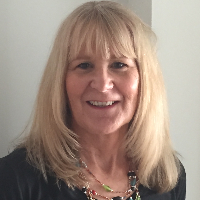
Linda Mann is a Licensed Clinical Social Worker (LCSW) based in Florida with 30 years of clinical experience. She works with adults on common struggles such as stress, anxiety, depression, addiction concerns, grief, anger, relationship strain, and coping with life changes. Sessions are framed around practical skills and steady progress rather than quick fixes.
Her approach borrows from several evidence-informed methods. She uses cognitive behavioral techniques to spot and change unhelpful thinking and behavior patterns. Dialectical behavior strategies are used for managing intense emotions and improving emotional regulation. Mindfulness skills help clients notice their responses without reacting automatically.
Linda also integrates client-centered methods and motivational interviewing to keep sessions focused on each person’s goals and readiness for change. The work is collaborative: she listens, reflects, and offers tools clients can try between sessions. Practical strategies for sleep, coping, and substance-related concerns are included when relevant.
She has long experience across settings and with co-occurring issues like mood disorders and substance use. That background informs how she helps people set realistic steps and build on small wins. Conversations are direct and aimed at everyday problem solving.
For people who are frustrated by recurring anger or who are living with another person’s anger, she offers ways to recognize patterns, try different responses, and reduce escalation. If a reader wants to begin, check the site’s online therapy options and complete the short matching questionnaire to schedule a first session.
How her approaches translate to online sessions
Linda commonly draws on Cognitive Behavioral Therapy and Dialectical Behavior Therapy when working with anger and related problems. CBT focuses on identifying unhelpful thoughts and testing new responses, which helps with anger that comes from automatic thinking. DBT offers practical emotion regulation and distress-tolerance skills for moments when feelings escalate.She also uses Client-Centered methods to keep the work focused on each person’s goals, and Motivational Interviewing to support readiness for change when substance use or ambivalence is present. Choosing an approach is collaborative; the therapist and client discuss what feels useful and adjust as goals evolve.
Confirm current session formats before booking because the biography does not list specific options. Online sessions can make it easier to fit therapy into a workday, offer shorter check-ins when needed, and remove travel time. Some people find phone sessions require less bandwidth, while video sessions allow more visual cues; the therapist will help decide what suits the client’s routine and needs.
Areas of expertise
Also works with
Additional focus areas
Therapeutic approaches
Experience
30+ years
Listed in
Florida
Languages
English
Frequently asked questions
What kinds of concerns does she address?
She helps with stress, anxiety, depression, addictions, anger, grief, relationship strain, and coping with life changes among other issues.
How would sessions feel day to day?
Sessions are practical and collaborative, focusing on skills you can try between appointments and on small, manageable steps.
How much experience does she bring?
Linda has three decades of clinical experience across different settings working with mood, trauma, and substance-related concerns.
What are her credentials and where is she based?
She is a Licensed Clinical Social Worker, LCSW, practicing in Florida.
Which languages are sessions offered in?
Sessions are offered in English.
What session formats are available?
Confirm the current session options before booking since the listed biography does not specify formats on this profile.
How much do sessions cost?
Cost varies with location and sessions use a subscription model that can be canceled at any time.
How do I begin a first session?
Select the See online therapy options button, complete a short matching questionnaire, and schedule a first session.