- CBT methods
- Mindfulness skills
- Solution-focused work
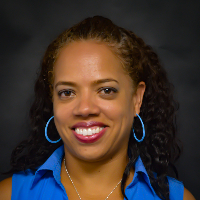
About Rafiah
Rafiah Dixon is a Licensed Professional Counselor (LPC) with 14 years of experience. She practices in Texas and works with adults facing stress, anxiety, relationships, trauma and abuse, grief, depression, addictions, LGBT concerns, family and parenting challenges, and anger issues.
She approaches sessions with a solutions-focused orientation. That means she helps people identify practical steps they can try between meetings. Sessions use talk, goal-setting, and skills practice rather than long lectures or vague theorizing.
Rafiah draws on several specific methods to guide work. She uses Cognitive Behavioral Therapy to help people notice and change thought and behavior patterns. Mindfulness Therapy is used to teach attention and breathing skills for managing stress. Motivational Interviewing helps when someone is weighing change or feels stuck.
She also brings Trauma-Focused Therapy into work where past harm affects current coping. That can include helping people who have lived through abuse, sexual assault, or other traumatic experiences. Rafiah describes therapy as collaborative - she and the client set goals and track small steps toward them.
Practical matters are part of the process. Clients can expect focused conversations, skill practice, and sometimes homework to try between sessions. Rafiah aims to help people find clearer ways of handling anger, rebuild trust in themselves, and move toward the life they want.
How her approaches translate to online sessions
Rafiah often uses Cognitive Behavioral Therapy to help people notice the thoughts and actions that keep problems going, and then practices alternative responses. CBT is useful for anger, anxiety, and mood issues because it breaks problems into clear steps.She also teaches Mindfulness Therapy skills, such as grounding and breathing exercises, to reduce reactivity and build attention. Motivational Interviewing is used when someone feels uncertain about change; it focuses on clarifying goals and finding personal reasons to move forward.
Choosing the right approach is a collaborative process. The therapist and client review needs, goals, and preferences and decide which method to try first. They track progress together and adjust the plan as needed.
Session formats are not specified in the provided biography, so confirm current options before booking. In practice, online sessions can make it easier to fit meetings into a busy day, allow shorter check-ins when time is limited, and reduce travel time. Licensed professionals can use session work to teach skills, set concrete homework, and review progress between meetings.
Areas of expertise
Primary focus
Also works with
Additional focus areas
Therapeutic approaches
Experience
14+ years
Listed in
Texas, Georgia, Pennsylvania
Languages
English
Frequently asked questions
What kinds of problems does she help with?
She works with stress, anxiety, depression, grief, anger, trauma and related concerns such as relationship strain, parenting stress, and addictive behaviors.
What style of therapy does she use?
She uses a solutions-focused style and draws on Cognitive Behavioral Therapy, Mindfulness Therapy, Motivational Interviewing, and Trauma-Focused Therapy to support practical change.
How much experience does she have?
She has 14 years of counseling experience working with people from various cultural and religious backgrounds.
What are her credentials and where is she based?
She is a Licensed Professional Counselor (LPC) with credentials listed as PA LPC and GA LPC, and she practices in Texas.
Which languages are supported?
Sessions are offered in English.
Can international clients work with her?
International clients are not currently accepted.
How are sessions arranged and what do they cost?
Cost varies with location; sessions use a subscription that can be canceled at any time.
How do I begin working with her?
Select the See online therapy options button, complete a short matching questionnaire, and schedule a first session.