- CBT methods
- DBT skills
- Mindfulness practice
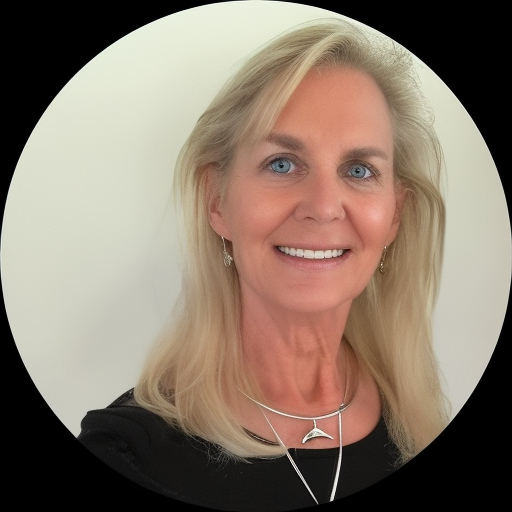
About Nancy
Dr. Nancy Michuda is a Florida psychologist with 28 years of professional experience. She holds the PhD she earned after graduate study at the University of Miami and is licensed as a psychologist in Florida and Illinois. She lists anger among the many concerns she helps people with, alongside stress, anxiety, grief, and sleep problems.
Her sessions are practical and matter-of-fact. She uses clear, evidence-based methods and brings mindfulness into discussions about how emotions show up in the body. Practical skills and short exercises are used in session so people leave with tools they can try right away.
She combines several therapeutic approaches depending on the issue at hand. Cognitive Behavioral Therapy (CBT) helps identify and shift unhelpful thinking patterns. Dialectical Behavior Therapy (DBT) supplies concrete skills for emotional regulation and impulsivity. Acceptance and Commitment Therapy (ACT) is used to clarify values and reduce struggle with unwanted feelings.
Dr. Michuda also works with topics connected to family life, adoption and foster care, attachment concerns, ADHD, eating and body image issues, and post-traumatic stress. She pays attention to communication problems and practical day-to-day functioning when those areas are part of the difficulty.
In session she asks for regular feedback so the work stays focused on what matters most to the person coming for help. People who prefer straightforward, skills-based work that includes mindfulness and behavior change may find this approach a good fit.
How her approaches translate to online sessions
Acceptance and Commitment Therapy (ACT) helps people notice hard thoughts and feelings without getting stuck in them, and then take actions that match their values. Cognitive Behavioral Therapy (CBT) focuses on identifying unhelpful thinking and testing new behaviors to change how situations feel. Mindfulness Therapy brings attention to the body and breath to reduce reactivity and support calmer responses to anger.Finding the right approach is part of the work. The therapist will discuss goals and preferences and together decide which methods to use. That collaborative decision helps keep sessions practical and aligned with what the person wants to change.
Session formats are not detailed here, so confirm the available options before booking. In general, online work can make it easier to fit sessions into a busy week, allow shorter check-ins when needed, and let people use exercises and worksheets between visits. Many people find that learning DBT or CBT skills over multiple meetings helps them practice and solidify new ways of handling anger in everyday life.
Areas of expertise
Primary focus
Also works with
Additional focus areas
Therapeutic approaches
Experience
28+ years
Listed in
Florida, Illinois
Languages
English
Frequently asked questions
What kinds of anger issues does she help with?
She lists anger among many concerns she addresses, including frustration, resentment, and problems that affect family relationships.
How would she describe her therapeutic style?
Her style is practical and skills-focused, using evidence-based approaches and mindfulness to help people manage emotions and behavior.
How much clinical experience does she have?
She has 28 years of experience and completed graduate study at the University of Miami, including a PhD.
What are her professional credentials and location?
She is a Florida psychologist and an Illinois psychologist. Her practice location is in Florida.
Does she work in other languages or with international clients?
Sessions are offered in English and she is not accepting international clients at this time.
Which session formats are offered?
Session formats are not specified here; confirm the current session options before booking.
How does payment and cost work?
Cost varies with location and sessions use a subscription that can be canceled at any time.
What are the first steps to begin working together?
Select the See online therapy options button, complete the short matching questionnaire, and then schedule a first session.