- CBT techniques
- DBT skills
- Motivational focus
About Avery
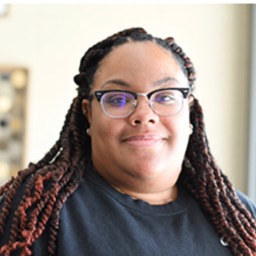
Avery Alexander is a Licensed Clinical Social Worker (LCSW) practicing in Utah with five years of experience. She began in community outreach and mentoring, and she brings that background into counseling. Avery focuses on practical support for stress, anxiety, anger, and related concerns.
Avery trained with a Bachelor of Science in Human Services and a Master of Social Work. That education is part of how she helps people manage common problems like low self-esteem, sleep trouble, and substance use. She also works with mood disorders, ADHD, and grief.
Her style is straightforward and person-focused. Sessions tend to center on what is happening now and which skills help most. Clients can expect conversations about patterns, coping strategies, and step-by-step practices to try between meetings.
Avery uses several approaches that fit practical needs. She draws on Client-Centered Therapy to prioritize the person's goals. Cognitive Behavioral Therapy (CBT) is used to shift unhelpful thoughts and behaviors. Dialectical Behavior Therapy (DBT) and mindfulness help with emotion regulation and tolerating strong feelings.
She also brings narrative therapy ideas when people want to reframe difficult life stories. Motivational Interviewing is part of her work with addictions and change-related goals. Avery’s background in community settings shapes a focus on accessible, concrete tools rather than long theory-heavy sessions.
People seeking to manage anger, workplace frustration, or ongoing resentment will find a therapist who emphasizes clear techniques and practical planning. If someone wants help sorting priorities and building steady habits, Avery offers direct, skills-based support.
How her approaches translate to online work
Avery commonly uses Cognitive Behavioral Therapy and Dialectical Behavior Therapy in practical ways. CBT focuses on identifying unhelpful thought patterns and testing small behavior changes to reduce anger, anxiety, or low mood. DBT teaches concrete emotion regulation skills, distress tolerance, and methods for handling intense feelings without acting on them.She also uses Client-Centered Therapy to listen to priorities and shape goals around what matters to the person. Finding the right mix of approaches is collaborative. The therapist will check what a client needs, talk through options, and adjust methods based on progress and preference.
If you plan to try online sessions, confirm the exact session formats before booking. The available formats are not specified here, so checking current options is important. Online work can make it easier to fit therapy into a busy life - it can reduce travel time, allow shorter check-ins when schedules are tight, and remove the need to be on camera for every meeting. Many people find that skill practice, behavior experiments, and scheduling small between-session tasks are easier to keep up when sessions fit smoothly into their week.
Areas of expertise
Primary focus
Also works with
Additional focus areas
Therapeutic approaches
Experience
5+ years
Listed in
Utah
Languages
English
Frequently asked questions
What kinds of problems does she address?
Avery works with stress, anxiety, anger, depression, and related concerns such as addictions, sleep issues, and low self-esteem.
How would you describe her therapeutic style?
Her style is practical and person-focused. Sessions emphasize skills, behavior changes, and clear steps to try between meetings.
How much clinical experience does she have?
She has five years of experience working in community settings and counseling roles.
What credential does she hold and where does she practice?
She is an LCSW licensed in Utah and practices there.
Which languages are sessions offered in?
Sessions are offered in English.
Can people outside the US work with her?
She is not accepting international clients at this time.
How are fees and payment structured?
Cost varies with location; sessions use a subscription that can be canceled at any time.
What are the steps to begin working with her?
Choose the See online therapy options button, complete a short matching questionnaire, and schedule a first session.