- Anger management topics
- Relationship issues
- Mindfulness and skills
About Laura
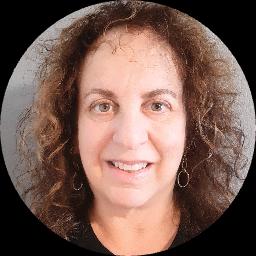
Laura Drucker is a Licensed Clinical Social Worker with 30 years of experience. She holds a Master of Social Work and is licensed as an LCSW in California and Arkansas. She helps people dealing with stress, anxiety, relationship difficulties, grief, low self-esteem, anger, and other life challenges.
She has practiced in both private and public mental health settings. That range of experience shapes how she approaches sessions. She uses practical problem solving and skill-building rather than long lectures. Sessions focus on identifying what matters to the client and on small, doable steps toward clearer thinking and steadier behavior.
Her work is client-centered and nonjudgmental. She helps people clarify their values, recognize patterns that cause trouble, and build on existing strengths. She also supports people facing trauma, addiction, sexuality-related concerns, and complex relationship arrangements such as non-monogamy and kink when those topics are part of a client's story.
Therapeutic tools she uses include elements from Acceptance and Commitment Therapy, Cognitive Behavioral Therapy, Dialectical Behavior Therapy, narrative and mindfulness approaches. Those tools are used to practice new habits for responding to anger, managing stress, and repairing communication.
Laura emphasizes collaboration. She and the person she is working with set goals, try strategies, and adjust plans when needed. Getting started involves a short questionnaire and scheduling a first session to see how the approach fits.
How therapeutic approaches translate to online work
Acceptance and Commitment Therapy helps people notice difficult thoughts and feelings without getting stuck in them, then choose actions that reflect personal values. It is useful for anxiety, depression, and frustration that fuels angry responses. Cognitive Behavioral Therapy looks at the links between thoughts, feelings, and actions and teaches concrete skills to change unhelpful patterns; it is often used for anger, worry, and mood problems.Choosing the right approach is a collaborative process. The therapist will discuss the client's goals and preferences and try techniques that match what the client wants. Together they adjust the plan based on what works in practice and what feels manageable.
Session formats are not listed in the biography, so confirm current options before booking. Online sessions can make it easier to fit therapy into a workday, reduce travel time, and allow shorter check-ins when needed. Some approaches translate well to video work with exercises and homework, while brief phone check-ins can be useful when bandwidth or time is limited. The emphasis is on finding a rhythm that fits everyday life and on using ACT and CBT tools to practice calmer responses to stress and anger.
Areas of expertise
Primary focus
Also works with
Additional focus areas
Therapeutic approaches
Experience
30+ years
Listed in
California, Arkansas
Languages
English
Frequently asked questions
What kinds of concerns does she address?
She works with stress, anxiety, relationship problems, grief, low self-esteem, anger, addiction, trauma, and related issues listed in her specialty areas.
What is her therapy style like?
Her approach is client-centered and nonjudgmental. She focuses on problem solving, skill building, and clarifying values.
How much experience does she have?
She has practiced for 30 years and has worked in both private practice and public mental health settings.
What are her credentials and where is she based?
She is an LCSW licensed in California and Arkansas and is based in California.
Which languages are sessions offered in?
Sessions are offered in English.
Does she work with international clients?
International clients are not currently accepted.
How does pricing and payment work?
Cost varies with location; sessions use a subscription that can be canceled at any time.
How do I begin if I want to work with her?
Select the See online therapy options button, complete a short matching questionnaire, and schedule a first session.