- CBT techniques
- Mindfulness tools
- Trauma-informed EMDR
About Paula
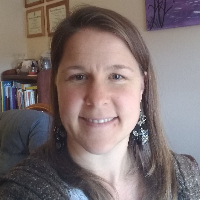
Paula Peterson is a Licensed Professional Counselor (LPC) in Wisconsin with 18 years of clinical experience. She works with adults on common concerns like anxiety, depression, grief, and anger. Paula also supports people facing life transitions, workplace stress, and struggles with self-worth.
She earned a degree in Mental Health Counseling from the University of Wisconsin-Stout and has practiced in day treatment and outpatient settings. Over the years she has worked with trauma, addictions, postpartum depression, and hospice and end-of-life counseling. Her background includes both assessment and ongoing therapy with adult clients.
Paula uses straightforward, person-focused sessions. She believes people have the ability to work through hard times and that the counseling relationship can help tap into that strength. Sessions typically involve talking through current problems, developing practical coping skills, and identifying small, achievable steps forward.
Clinical methods she draws on include client-centered work, cognitive behavioral techniques, mindfulness practices, solution-focused strategies, and EMDR for trauma-related concerns. Paula blends these approaches to address anxiety, anger, grief, and patterns such as codependency or communication problems.
She also brings experience helping people with family of origin issues, forgiveness and guilt, midlife concerns, and workplace issues. If her style resonates, the next step is a short matching questionnaire and scheduling a first session.
How Paula’s approaches translate to online work
Client-centered therapy focuses on listening, reflecting, and helping the client name what matters most. It supports emotional processing and clearer decision making for ongoing stress and anger. Cognitive behavioral therapy (CBT) looks at thoughts and behaviors, teaching specific skills to manage anger, anxiety, and depression through practical exercises and homework. Eye Movement Desensitization and Reprocessing (EMDR) is used for trauma-related distress and involves structured processing of painful memories with clinician guidance.Finding the right approach is part of the collaboration. Paula will discuss goals and preferences and adapt methods based on what the client wants to address. Together they decide whether to emphasize short-term problem solving, skill building with CBT, mindfulness practice, or trauma-focused work like EMDR.
The therapist biography does not list specific session formats, so confirm current online options before booking. Online work can make it easier to fit sessions into a busy day, reduce travel time, or choose a shorter check-in when needed. Licensed professionals can use a mix of conversational and structured exercises remotely, which helps people practice new skills between sessions and apply them to real-life situations.
Areas of expertise
Primary focus
Also works with
Additional focus areas
Therapeutic approaches
Experience
18+ years
Listed in
Wisconsin
Languages
English
Frequently asked questions
What concerns does she help with?
She works with stress, anxiety, depression, grief, anger, trauma, addictions, workplace issues, and related concerns like codependency and communication problems.
What is her therapy style?
She offers person-centered sessions that combine practical tools from CBT, mindfulness, solution-focused techniques, and EMDR when relevant.
How long has she worked as a counselor?
She has 18 years of clinical practice experience, including work in day treatment and outpatient settings.
What are her credentials and where is she based?
She is a Licensed Professional Counselor (LPC) in Wisconsin and practices from Wisconsin.
Which languages are supported?
Sessions are offered in English.
Can people outside the US work with her?
She does not accept international clients at this time.
How are sessions paid for?
Cost varies with location and sessions use a subscription that can be canceled at any time.
What is the first step to begin?
Use the See online therapy options button, complete a short matching questionnaire, and schedule a first session.