- Strength-based focus
- CBT and solutions
- Trauma informed practice
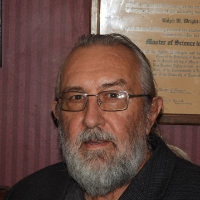
About Ralph
Ralph Murphy is a Licensed Clinical Social Worker, LCSW, licensed in North Carolina with 30 years of clinical experience. He works with adults on stress, anxiety, depression, trauma and abuse, addictions, relationship problems, parenting struggles, grief, and anger. He also supports people dealing with adoption and foster care matters, autism and Asperger syndrome concerns, and men’s issues. Sessions are conducted in English.
Ralph trained at the graduate level, holding a Master of Divinity (MDiv) and a Master of Science in Social Work (MSSW). He is a member of the Academy of Certified Social Workers, ACSW. Over three decades he has worked in a variety of settings, including clinical family work and with people affected by substance use. That background informs a practical approach to everyday problems.
In sessions he focuses on identifying a person’s strengths and applying them to real-life goals. He listens, asks clarifying questions, and helps people set small, achievable steps. He supports clients who want clearer boundaries, better ways to handle frustration, or new habits after loss or trauma.
Ralph uses client-centered conversations alongside cognitive behavioral ideas and solution-focused work. He brings existential questions into sessions when people are rethinking values or meaning. Motivational interviewing is part of his approach when change feels difficult.
People who choose him can expect straightforward, goal-oriented sessions that link values with practical action. He encourages clients to name what matters, take responsibility for steps forward, and notice progress. To begin, prospective clients follow the site's matching and scheduling process.
Therapeutic approaches and how online sessions fit
Ralph uses client-centered therapy to focus on each person’s narrative and priorities. That approach means the therapist listens closely, reflects what he hears, and helps clients clarify goals and values so they can decide next steps. Cognitive Behavioral Therapy, or CBT, is used to notice thought and behavior patterns that feed stress and anger and to practice different responses that reduce tension.He also draws on solution-focused techniques to set small, concrete goals and measure progress. Working together, the therapist and client pick which methods to emphasize based on the client’s goals, history, and preferences. That collaborative process helps people move from talk to action in ways that fit their life.
The original biography did not list specific session formats, so confirm current session options before booking. Online work can make it easier to fit sessions into a busy week, allow shorter check-ins when needed, or avoid travel time. It can also let people choose audio-only moments when bandwidth or camera use is a concern. Licensed professionals can adapt the approaches above to the online setting to focus on practical steps for managing anger, improving communication, and building coping skills.
Areas of expertise
Primary focus
Also works with
Additional focus areas
Therapeutic approaches
Experience
30+ years
Listed in
North Carolina
Languages
English
Frequently asked questions
What kinds of concerns does he work with?
He works with stress, anxiety, depression, trauma and abuse, addictions, relationship issues, parenting challenges, grief, and anger among other concerns.
How would you describe his therapeutic style?
He uses client-centered conversations with cognitive behavioral and solution-focused methods, plus motivational interviewing when people need help finding motivation to change.
How much clinical experience does he have?
He brings 30 years of clinical experience, including long involvement in clinical family work and substance use settings.
What are his credentials and where is he based?
He is a Licensed Clinical Social Worker, LCSW, licensed in North Carolina.
Which languages are supported for sessions?
Sessions are offered in English.
Can people outside the United States work with him?
International clients are not currently accepted.
How are costs handled for sessions?
Cost varies with location; sessions use a subscription that can be canceled at any time.
How do I begin if I want to work with him?
Select the See online therapy options button, complete the short matching questionnaire, and schedule a first session.