- Anger management skills
- Coping with cravings
- Mindfulness and ACT
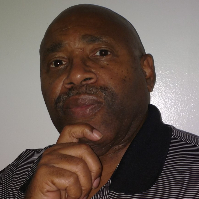
About Richard
Richard McDonald is a Licensed Clinical Mental Health Counselor (LCMHC) in North Carolina with five years of counseling experience. He works with adults who are dealing with stress, anxiety, addiction, anger, low self-esteem, depression, relationship strains, trauma and grief. He also supports people facing parenting challenges, bipolar mood issues, and major life changes.
He uses straightforward, evidence-based approaches in sessions. Those include Acceptance and Commitment Therapy, Client-Centered Therapy, Cognitive Behavioral Therapy, Dialectical Behavior Therapy, and Mindfulness practices. Conversations focus on what is happening now, practical skills, and small changes that can reduce anger and stress.
Sessions tend to mix direct skill teaching with reflective conversation. He will help identify patterns that lead to outbursts or ongoing resentment, and practice different ways to respond. Work may include breathing and grounding skills, thought tracking, values clarification, and steps to manage impulses more effectively.
Richard trained in mental health counseling and holds a Master’s degree in that field. He has experience across human services and clinical settings, and brings that background to sessions aimed at clearer thinking and calmer reactions. He avoids jargon and explains tools in everyday language.
People meet with him to reduce workplace frustration, stop losing temper with loved ones, handle grief, or work through substance-related problems. Before booking, confirm current session formats and scheduling details through the site’s matching process.
How his approaches translate to online sessions
Acceptance and Commitment Therapy (ACT) focuses on clarifying personal values and taking small committed steps toward them while accepting uncomfortable feelings. It can help people who get stuck in anger or avoidance to act differently in line with what matters to them.Cognitive Behavioral Therapy (CBT) looks at the links between thoughts, feelings, and behaviors. With CBT, clients learn to track unhelpful thinking patterns, test those thoughts, and practice alternative responses that reduce reactivity in heated moments.
Mindfulness Therapy brings simple attention practices into daily life. Short exercises teach noticing sensations and urges without immediately acting on them, which can reduce impulsive reactions and lower chronic tension.
Finding the right fit is part of the process. He will work collaboratively to decide which methods to emphasize based on a client’s goals, habits, and what feels practical to use between sessions. That discussion shapes the plan going forward rather than assuming one single approach.
The biography does not list specific online formats, so confirm available session options before booking. Online work can make it easier to fit sessions into a busy schedule, allow shorter check-ins when needed, and let people practice skills in real-life routines. Therapists generally adapt exercises and homework so tools can be used between sessions and during everyday moments.
Areas of expertise
Primary focus
Also works with
Additional focus areas
Therapeutic approaches
Experience
5+ years
Listed in
North Carolina
Languages
English
Frequently asked questions
What concerns does he help with related to anger?
He works with stress, anger, addictions, anxiety, depression, relationship strain, trauma, grief, parenting issues, bipolar and mood disorders among other concerns.
What style and methods does he use in sessions?
He uses Acceptance and Commitment Therapy, Client-Centered Therapy, Cognitive Behavioral Therapy, Dialectical Behavior Therapy and Mindfulness. Sessions combine practical skills training with conversational problem solving.
How much clinical experience does he have?
He has five years of counseling experience since completing his graduate training, plus prior work in human services across several roles.
What are his credentials and where does he practice?
He is an LCMHC, which stands for Licensed Clinical Mental Health Counselor, practicing in North Carolina.
Does he work in languages other than English or with international clients?
Sessions are offered in English. He is not accepting international clients.
Which session formats are available?
Confirm current session formats before booking by completing the site's matching questionnaire, as the biography does not list specific formats.
How does payment and cost work?
Cost varies with location and sessions use a subscription model that can be canceled at any time.
How do I begin working with him?
Use the See online therapy options button, complete the short matching questionnaire, and schedule a first session through the site.