- CBT and DBT skills
- Gottman influenced work
- Parts work with IFS
About Thomas
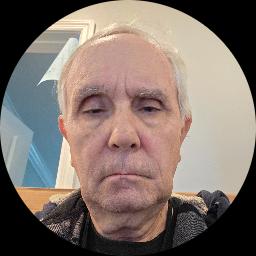
Thomas Corwell is a Florida-licensed mental health counselor and marriage and family therapist with 40 years of experience. He works with adults dealing with stress, anxiety, addictions, relationship trouble, depression, grief, and anger. He also addresses sleep and eating concerns, parenting strain, ADHD, and major life changes.
He focuses on clear, practical conversations about what is happening now. Sessions look at patterns in thoughts, feelings, and behavior. They also cover communication problems, control issues, and trouble forgiving or letting go of guilt and shame.
Thomas uses a mix of approaches chosen to fit a person’s situation. That can mean skills for tolerating strong feelings, ways to shift unhelpful thinking, or mapping internal parts that influence behavior. He also draws on methods for improving relationship communication when that’s relevant.
His work includes helping people who feel isolated or stuck after separation, loss, or big life transitions. He pays attention to compassion fatigue and the burnout that can come from caregiving or stressful jobs. Practical coping skills and step-by-step plans are common parts of sessions.
People who contact him begin by clarifying immediate concerns and goals. From there they build short-term steps and longer-term strategies. The style is straightforward and focused on usable tools rather than long explanations.
Approaches you may use in online sessions
Thomas often draws on Cognitive Behavioral Therapy and Dialectical Behavior Therapy. CBT focuses on identifying unhelpful thinking and changing behaviors that keep problems going, which can help with anger, anxiety, and low mood. DBT teaches emotion regulation and distress tolerance skills to manage intense feelings and reduce impulsive reactions.He also uses elements of the Gottman Method to improve communication and problem-solving in close relationships, and Internal Family Systems to map the internal parts that drive behavior. Those methods help when anger is linked to relationship patterns or internal conflict. Choosing which approach to use is collaborative; the therapist and client assess goals, preferences, and what works in practice.
Confirm current session formats before booking, since the biography does not list them. Online options can make sessions easier to fit into a workday, allow shorter check-ins when a full session isn’t needed, or remove the need to travel. Therapists help clients test approaches and adjust methods so skills learned online translate into everyday situations.
Areas of expertise
Primary focus
Also works with
Additional focus areas
Therapeutic approaches
Experience
40+ years
Listed in
Florida
Languages
English
Frequently asked questions
What kinds of anger and related problems does he help with?
He works with adults who struggle with losing temper, building resentment, or coping with someone else’s anger, alongside related issues like stress, anxiety, addictions, and relationship conflict.
What is his therapeutic style and approach?
He uses practical, skills-based approaches and conversation. Techniques include cognitive and behavioral skills, emotion regulation strategies, relationship tools, and internal parts work.
How much clinical experience does he have?
He has 40 years of professional experience providing mental health and relationship-focused care.
What credentials and location are listed?
He holds LMHC and LMFT credentials and is licensed in Florida.
Which languages and international options are available?
Sessions are offered in English, and he accepts international clients.
What session formats are used?
Please confirm current session options before booking, as formats are not specified in the biography.
How does payment and cost work?
Costs vary by location and sessions use a subscription model that can be canceled at any time.
How do I begin working with him?
Use the See online therapy options button, complete the short matching questionnaire, and schedule a first session.