- strengths based
- person centered
- solution focused
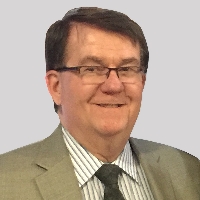
About Arthur
Arthur Adams is a Licensed Clinical Social Worker (LCSW) in Indiana with 38 years of experience. He has worked with people facing depression, anxiety, anger, addictions, relationship strain, and a variety of family and parenting concerns. He also helps with grief, intimacy-related questions, obsessive and compulsive difficulties, mood disorders, and career stress.
Arthur describes clients as people first, not labels. He draws on solution-focused and person-centered ideas, and emphasizes a strengths-based outlook. Sessions are practical and goal-oriented, with attention to what the client wants to change and why it matters.
In work with addictions he has long experience addressing substance dependency, pornography addiction, gambling, food disorders, and addictive family systems. He also supports people dealing with betrayal, separation, and the fallout from domestic violence and divorce. These matters are handled alongside related concerns like guilt, shame, and forgiveness.
His approach is direct and respectful. He aims to reduce blame and to help clients identify small, manageable shifts. Conversations may look at habits, relationships, and choices that keep problems repeating, and then test new ways of responding.
Over decades in practice, Arthur has refined a practical style. He helps people set clear goals, track progress, and adjust plans as needed. If you are looking to manage anger, lessen anxiety, or address addictive behaviors, he focuses on concrete steps and ongoing review.
How therapeutic approaches translate to online work
Two evidence-based approaches inform Arthur's work in plain terms. A person-centered approach focuses on listening and following what matters most to the client, helping them set goals and make choices that fit their life. A solution-focused approach zeroes in on practical steps and small changes to test between sessions, which can reduce repeated patterns like frequent anger or addictive behaviors.Choosing the right approach is part of the work. He will collaborate with each person to decide which methods make sense given their goals, history, and daily routines. That means adjusting techniques as progress is tracked and new issues come up, rather than committing to a single method from the start.
The original biography does not state specific online session formats. Please confirm the current session options before booking. Many people find online sessions helpful because they can fit appointments into a workday, avoid travel time, or use a short check-in when life is busy. Online work also makes it easier to keep continuity when schedules or locations change, and it supports regular progress reviews and practical homework between meetings.
Areas of expertise
Primary focus
Also works with
Additional focus areas
Experience
38+ years
Listed in
Indiana
Languages
English
Frequently asked questions
What kinds of problems does he address?
He works with stress, anxiety, anger, depression, addictions, relationship and family concerns, grief, intimacy issues, eating problems, and related mood or obsessive conditions.
How would he describe his therapeutic style?
His style is person centered, strengths based, and solution focused. Sessions aim to identify goals and practical steps rather than labels.
How much experience does he bring?
He has 38 years of clinical experience working with a wide range of mental health and addiction issues.
What credentials and location apply?
He is a Licensed Clinical Social Worker (LCSW) practicing in Indiana.
Which languages are supported and can international clients join?
Sessions are offered in English, and he accepts international clients.
What session formats are available?
The original biography does not list specific session formats. Please confirm current session options before booking.
How are fees handled?
Cost varies with location; sessions use a subscription that can be canceled at any time.
How do I begin working with him?
Start by selecting the See online therapy options button, completing the short matching questionnaire, and scheduling a first session.