- Anger management skills
- CBT and DBT tools
- Family of origin issues
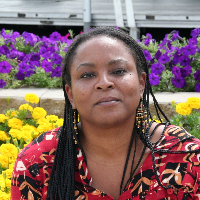
About Cynthia
Cynthia Jenkins is a Licensed Mental Health Practitioner (LMHP) in Nebraska with 34 years of clinical experience. She has worked in community counseling centers, university settings, and with low-income populations. Cynthia supports people dealing with stress, anxiety, addictions, relationship and family concerns, depression, grief, anger, sleep problems, parenting strain, and changes like career shifts or midlife transitions.
Her work draws on several familiar approaches. She uses client-centered listening to understand what matters to each person. Cognitive Behavioral Therapy (CBT) helps with patterns of thinking that feed worry, anger, and low mood. Dialectical Behavior Therapy (DBT) skills inform practical tools for emotion regulation and handling intense moments.
Cynthia also brings elements of existential and Jungian thought when people want to examine meaning, values, or patterns rooted in family of origin and culture. That wider view can be useful for issues like identity, loneliness, forgiveness, and multicultural concerns. She mentions past roles teaching psychology and training post-graduate students, which informs how she explains ideas in clear, plain language.
Her background includes work with hospice and end-of-life counseling, cancer-related concerns, codependency, domestic violence survivors, and blended family issues. Cynthia notes an eclectic personal and cultural background and draws on that when addressing complex family, social, and ethical themes.
Sessions are conducted in English and reflect a practical, down-to-earth style that mixes discussion with concrete skills. Prospective clients who want to start should use the online therapy options to complete a short matching questionnaire and schedule a first session.
How her approaches translate to remote sessions
Client-Centered Therapy focuses on listening and reflecting what matters to the person. In remote sessions this means the therapist mirrors concerns and priorities so clients feel understood and can clarify goals. It helps with relationship difficulties, parenting strain, and feeling stuck.Cognitive Behavioral Therapy (CBT) is a hands-on approach that looks at thoughts and behaviors that keep problems going. Remotely, CBT work uses short practice tasks and behavior experiments between meetings to reduce anxiety, manage anger triggers, and improve sleep. Dialectical Behavior Therapy (DBT) adds skills for emotion regulation and distress tolerance. These skills can be practiced in session and reviewed afterward to help handle intense moments without escalation.
Choosing the right mix of approaches is collaborative. The therapist will discuss goals, test practical techniques, and adjust methods based on what the client finds helpful. That means trying tools, keeping what works, and dropping what does not.
Session formats are not specified in the biography, so confirm current options before booking. Online work can make it easier to fit therapy into a workday, allow shorter check-ins when needed, or remove travel time. It also lets therapists assign in-the-moment practice and follow up on skill use between meetings to reinforce progress.
Areas of expertise
Primary focus
Also works with
Additional focus areas
Therapeutic approaches
Experience
34+ years
Listed in
Nebraska
Languages
English
Frequently asked questions
What concerns does she address related to anger?
She supports people who struggle with anger alongside stress, relationship strain, grief, trauma, and mood issues.
How would she describe her therapeutic style?
Her style is practical and eclectic, combining client-centered listening with CBT and DBT techniques and broader existential or Jungian perspectives.
How much experience does she have working with clients?
She has 34 years of clinical experience in community centers, universities, and low-income settings.
What credential does she hold and where is she based?
She is a Licensed Mental Health Practitioner (LMHP) licensed in Nebraska and practices from that state.
Which languages are supported in sessions?
Sessions are offered in English.
Can people outside the US work with her?
She is not accepting international clients at this time.
What formats are used for sessions?
Please confirm current session options before booking by using the platform's online therapy options.
How are fees handled and how do I begin?
Cost varies with location and sessions use a subscription that can be canceled at any time. To begin, complete the short matching questionnaire via the See online therapy options button and schedule a first session.