- CBT focused work
- Practical skill building
- Direct supportive style
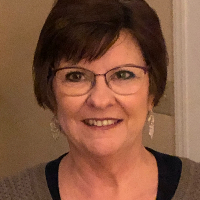
About Debbie
Debbie Esque is a Licensed Clinical Mental Health Counselor (LCMHC) practicing in North Carolina with more than 20 years of experience. She helps people who are dealing with stress, anxiety, mood concerns, parenting strain, relationship problems, grief, anger, and life changes. Sessions focus on practical steps clients can use between meetings.
Debbie uses Cognitive Behavioral Therapy (CBT) alongside Rational Emotive Therapy and integrative methods to address thoughts, feelings, and behaviors. She listens closely, gives direct feedback, and works with each person to set clear, realistic goals. The work often involves identifying unhelpful thinking patterns and trying small changes that reduce distress.
Her style is straightforward but caring; she can be firm when progress requires it. That approach is aimed at helping clients notice what is getting in the way and practice alternatives. Homework and skills practice are common parts of the work.
Debbie’s background blends formal training with long clinical experience. She reports that both education and life experience shaped her approach. Over two decades she has worked with people across many stages and situations.
Expect sessions that focus on clear goals, feedback, and practical tools you can try between meetings. If you want methods that address thinking patterns, behavior, and emotional reactions, she uses methods designed for that kind of change.
How CBT and related methods are used in online sessions
Debbie uses Cognitive Behavioral Therapy (CBT) to help identify unhelpful thought patterns and test new ways of responding. CBT sessions often include skill practice, brief experiments, and tools you can use between meetings to reduce anger, anxiety, or low mood.She also draws on Rational Emotive Therapy to challenge rigid or extreme beliefs that fuel strong emotional reactions. That approach focuses on spotting demands or absolutes in thinking and trying more flexible alternatives. Integrative methods allow combining ideas from different approaches to match the client’s needs.
Finding the right approach is collaborative. The therapist will talk with the client about goals, try techniques, and adjust the plan as progress becomes clear. Clients decide what feels workable and what to focus on next.
The practical advantage of online work is fitting sessions into everyday life. Confirm the exact session formats before booking since the biography does not list specific formats. Online meetings can make it easier to schedule therapy around work or family obligations, reduce travel time, and allow for shorter check-ins when needed. Licensed professionals can adapt CBT tools and homework to remote sessions so the work continues between meetings.
Areas of expertise
Primary focus
Also works with
Additional focus areas
Therapeutic approaches
Experience
20+ years
Listed in
North Carolina, New Jersey, New Hampshire
Languages
English
Frequently asked questions
What kinds of problems does she help with?
She works with stress, anxiety, depression, bipolar mood concerns, anger, parenting strain, relationship and intimacy issues, grief, trauma and many life changes.
Which therapeutic style does she use?
Her practice uses Cognitive Behavioral Therapy (CBT) together with Rational Emotive Therapy and integrative methods to address thoughts, behaviors, and emotions.
How much clinical experience does she have?
She has more than 20 years of experience working with people from many backgrounds and life stages.
What are her credentials and where is she based?
She is a Licensed Clinical Mental Health Counselor (LCMHC) licensed in North Carolina and practices from that state.
Can I work with her in a language other than English?
Sessions are offered in English.
Does she accept clients outside the United States?
International clients are not accepted at this time.
How are session costs handled?
Cost varies with location; sessions use a subscription model that can be canceled at any time.
How do I begin scheduling a first session?
Use the See online therapy options button, complete a short matching questionnaire, and then schedule your first session.