- Person centred work
- CBT techniques
- Mindfulness practice
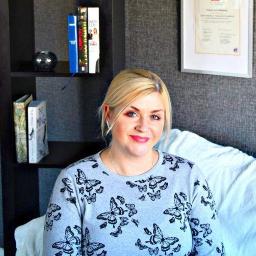
About Felicity
Felicity Woolsey is a counsellor and an individual member of the NCPS with five years' experience. She works with people who are dealing with anger, addictions, anxiety, depression and relationship problems. She also supports those coping with life changes, grief and issues around intimacy and self‑esteem.
Felicity describes her practice as humanistic, using person‑centred work to look at root causes. She combines that with practical skills when helpful, drawing on cognitive behavioural techniques and mindfulness to build coping strategies. Sessions can include exercises for emotional regulation and distress tolerance.
Her background includes work in substance misuse rehabilitation and mental health wards. There she facilitated group therapies and used elements of dialectical behaviour work for emotional regulation. That experience informs how she supports people with addiction and complex mental health concerns.
Felicity often helps people address patterns in relationships and communication. She also works with issues linked to sexuality and gender, including gender dysphoria, and with eating and sleeping difficulties. She mentions experience with problem gambling, porn or sex addiction, and substance misuse.
Her approach is straightforward and practical. Conversations focus on what is happening now and on small, repeatable skills that can reduce reactivity and improve coping. To begin, she asks people to complete a short matching questionnaire and then schedule a first session.
Therapeutic approaches used in online work
Felicity combines person centred, cognitive behavioural and mindfulness ideas to help with reactive emotions and ongoing patterns. Client‑centred work focuses on talking through what matters to the person now and identifying contributing experiences. Cognitive behavioural work looks at the links between thoughts, feelings and actions and introduces practical exercises to change unhelpful patterns. Mindfulness practice teaches simple attention and breathing skills to reduce reactivity and increase awareness.Deciding which approach to use is a collaborative process. The therapist will discuss goals, preferences and what feels useful, then agree on strategies to try together. That makes sessions a partnership rather than a one‑size‑fits‑all prescription.
The practical benefits of remote work include fitting sessions into a busy week and shortening travel time. The biography does not list specific formats, so confirm current session options before booking. Online work can allow shorter check‑ins or sessions that avoid needing to be on camera, which some people find easier to manage around work or family commitments.
Areas of expertise
Primary focus
Also works with
Additional focus areas
Therapeutic approaches
Experience
5+ years
Listed in
United Kingdom
Languages
English
Frequently asked questions
What kinds of problems does she help with?
She works with anger, addictions, anxiety, depression and relationship difficulties, plus related issues such as grief, self‑esteem and parenting concerns.
What is her therapeutic style like?
She uses a humanistic, person‑centred style and adds practical techniques such as cognitive behavioural strategies and mindfulness exercises when useful.
How much experience does she have?
She has five years of experience, including work in substance misuse rehabilitation and mental health wards facilitating group therapies.
What are her credentials and where is she based?
She is an individual member of the NCPS and practices in the United Kingdom.
Which languages are supported in sessions?
Sessions are offered in English.
Can people outside the UK work with her?
She accepts international clients.
How are sessions paid for?
Cost varies with location and sessions use a subscription that can be cancelled at any time.
How do I begin if I want to try a session?
Use the See online therapy options button, complete a short matching questionnaire, and schedule a first session.