- Attachment work
- CBT techniques
- Mindfulness practice
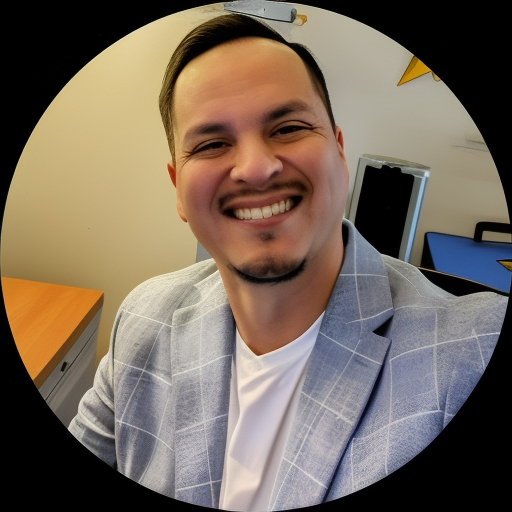
About Francisco
Francisco Olmos is a California licensed marriage and family therapist (LMFT) with 10 years of clinical experience. He works with people who are dealing with stress, anxiety, trauma and abuse, grief, depression, relationship challenges, parenting strains, anger, and other life changes. Sessions are offered in English and Spanish.
Francisco keeps things direct and practical. He listens for the patterns that keep problems repeating. Then he helps people name those patterns and try small changes that can shift how they react and relate.
He uses a mix of approaches to match what each person needs. That can include attachment-focused work to look at relationship history, client-centered conversation to follow what matters now, and cognitive behavioral ideas to test thoughts and behaviors. Narrative and mindfulness tools are also part of his toolbox when they fit the goals.
In a session he focuses on clear steps people can use between meetings. That might be short experiments to test a belief, breathing and attention exercises for moments of overwhelm, or practicing new ways of speaking with others. The work aims to reduce reactivity and improve day-to-day coping.
Francisco invites practical problem solving alongside deeper reflection. He encourages people to try small changes, track what happens, and adjust as needed. To begin, he asks people to complete a short matching questionnaire and schedule a first session.
Approaches used and how online sessions can help
Attachment-Based Therapy looks at how past relationships shape current reactions. It helps people notice patterns in close relationships and learn different ways to connect and respond. Client-Centered Therapy focuses on what matters to the person now. The therapist follows the client's concerns and supports clearer self-understanding. Cognitive Behavioral Therapy (CBT) zeroes in on thoughts and behaviors that maintain distress. It uses practical exercises and experiments to change reactions and reduce overwhelm.Finding the right approach is part of the work. The therapist will collaborate with the client to choose which methods to try based on the person's goals, history, and what feels useful. That planning can change as progress is made, and sessions often mix techniques from different approaches.
Confirm the current session formats before booking since the profile does not list them. Many people use online sessions to fit therapy into a busy day, to shorten travel time, or to schedule brief check-ins between in-person appointments. Online work can make it easier to keep regular momentum and try new skills in daily life without rearranging large parts of a routine.
Areas of expertise
Primary focus
Also works with
Additional focus areas
Therapeutic approaches
Experience
10+ years
Listed in
California
Languages
English, Spanish
Frequently asked questions
What kinds of concerns does he address?
He works with stress, anxiety, trauma and abuse, grief, depression, relationship and parenting challenges, anger, self esteem, career issues, ADHD, and related concerns.
How would you describe his therapeutic style?
He combines clear, practical problem solving with attention to relationship patterns and personal history. Sessions focus on small changes to test what helps.
How long has he been practicing?
He has 10 years of professional experience providing mental health support.
What are his credentials and where is he based?
He is a CA LMFT, a licensed marriage and family therapist practicing in California.
Can I meet with him in other languages?
Sessions are offered in English and Spanish.
Does he work with international clients?
He is not currently accepting international clients.
How are sessions arranged and what are the formats?
Please confirm current session options before booking by using the See online therapy options flow; the profile does not list specific formats.
How does payment and starting therapy work?
Cost varies with location and sessions use a subscription that can be canceled at any time. To begin, complete the short matching questionnaire and schedule a first session.