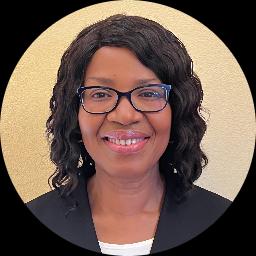
About Ijeoma
Ijeoma Dike is a Licensed Professional Counselor (LPC) practicing in Texas with 17 years of experience. She works with people facing stress, anxiety, depression, grief, anger, addictions, bipolar disorder, relationship and family concerns, and other life changes.
She uses clear, practical conversations to help people name what is happening and find better ways to respond. Sessions focus on identifying unhelpful thinking and testing new behaviors. Cognitive Behavioral Therapy (CBT) is part of the work she draws on to tackle symptoms and everyday problems.
Ijeoma pays attention to cultural background and the impact of life events on mood and identity. She helps people handle feelings like resentment, frustration, or worry that build up over time. She also works with issues tied to parenting strain, caregiver stress, abandonment worries, and isolation.
In sessions she lays out simple tools and practices clients can try between meetings. That can include strategies for managing panic, reducing avoidance, improving communication, and working through grief or trauma responses. The focus is on small, clear steps that change day-to-day patterns.
People meet her to sort out work stress, repair strained relationships, manage mood swings, or stop destructive coping like substance use. She guides clients through practical skill building and problem-solving so they can handle problems with more confidence.
How CBT and practical work translate to online sessions
CBT focuses on identifying patterns of thinking and testing new behaviors. In plain terms this means tracking situations that trigger anger or anxiety, noticing the thoughts that follow, and then trying small changes to see what helps. This approach is useful for panic attacks, social anxiety, mood problems, and everyday stress.The work also includes practical coping skills for managing strong feelings and improving communication. That can mean breathing and grounding exercises, short behavioral experiments, and structured exercises to change interactions that keep problems going. These tools are presented in simple steps a person can use between sessions.
Choosing the right approach is a collaborative process. The therapist will help figure out whether CBT methods or other practical strategies fit a person’s goals and preferences. They will check in and adjust the plan as needed so the work stays focused and doable.
The biography does not list specific online session formats, so confirm current options before booking. Online sessions can make it easier to fit therapy into a busy day, allow shorter check-ins when needed, and reduce travel time. Licensed professionals can use these benefits to help clients practice new skills in their everyday routines.
Areas of expertise
Primary focus
Also works with
Additional focus areas
Therapeutic approaches
Experience
17+ years
Listed in
Texas
Languages
English
Frequently asked questions
What kinds of concerns does she help with?
She helps people with stress, anxiety, depression, grief, anger, mood disorders, addictions, relationship and family concerns, and coping with life changes.
What is her therapeutic style?
She uses straightforward, practical conversations and tools. Cognitive Behavioral Therapy (CBT) is a primary approach used to change thoughts and behaviors.
How long has she been practicing?
She has 17 years of clinical experience working with a range of emotional and interpersonal issues.
What credential does she hold and where is she based?
She is a Licensed Professional Counselor (LPC) and practices in Texas.
Which languages are sessions offered in?
Sessions are offered in English.
Can international clients work with her?
She is not currently accepting international clients.
What session formats are available?
The biography does not list specific session formats. Please confirm current session options before booking.
How are fees handled and how do I begin?
Cost varies with location and sessions use a subscription that can be canceled at any time. To start, use the See online therapy options button, complete the short matching questionnaire, and schedule a first session.