- Stress management
- Trauma recovery
- Sleep and focus
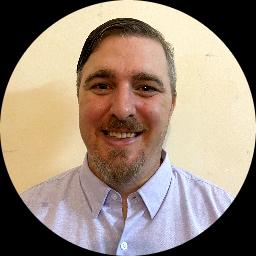
About Philip
Philip Ward is an LCSW - Licensed Clinical Social Worker in Arizona with eight years of professional experience. He works with people facing stress, anxiety, trauma and abuse, depression, and anger. He also helps with relationship and intimacy concerns, addiction, sleep difficulties, and problems tied to identity and sexuality.
Philip keeps sessions straightforward and practical. He treats clients as the experts on their own lives and uses a mix of evidence-based techniques to find what works. Conversations focus on concrete steps - identifying triggers, practicing new responses, and testing small changes in day-to-day life.
He supports people dealing with grief, low self-esteem, codependency, and feelings of isolation. He also addresses men’s issues, multicultural concerns, and young adult challenges. Philip talks through hard feelings like guilt, shame, and resentment, and helps clients consider forgiveness and self-compassion as options.
In session he aims to reduce worrying patterns and improve coping with life changes. For anger specifically he looks at how frustration builds and what sets off outbursts, then works on recognizing early signs and choosing different behaviors. Work can include practical strategies for sleep, panic, and managing attention difficulties related to ADHD.
Philip offers services in English and practices in Arizona. He uses a subscription model for sessions that can be canceled at any time. Prospective clients complete a short matching questionnaire and schedule a first appointment through the online options button.
How evidence-based approaches work online
Philip uses evidence-based therapeutic techniques that focus on clear, practical steps. Cognitive-based methods look at the thoughts that drive anger and anxiety and teach ways to challenge unhelpful thinking. These techniques help with worry, rumination, and patterns that lead to outbursts.Behaviorally oriented strategies concentrate on changing what happens before and after angry episodes. That can include learning to spot early warning signs, practicing brief calming skills, and experimenting with alternative behaviors in real situations to see what helps reduce reactivity.
Finding the right approach is collaborative. Philip will work with clients to choose methods that fit their goals and daily life. He encourages trying different tools and adjusting the plan based on what actually helps in real situations.
Session formats are not specified in the biography, so confirm the current options before booking. Online sessions can make it easier to fit therapy into a busy schedule, allow shorter check-ins when needed, and remove travel time. Therapists can still use the same core techniques through a screen or phone, and the focus remains on practical change and coping skills that translate into everyday life.
Areas of expertise
Also works with
Additional focus areas
Experience
8+ years
Listed in
Arizona
Languages
English
Frequently asked questions
What kinds of concerns does he address?
He helps with stress, anxiety, depression, trauma and abuse, anger, and related issues such as grief, addiction, and relationship or intimacy concerns.
What is his general approach in session?
He uses a variety of evidence-based therapeutic techniques and focuses on practical steps like identifying triggers and testing new responses in daily life.
How much experience does he bring?
Philip has eight years of professional experience working with clients on emotional and behavioral concerns.
What credential and location are on file?
He is an LCSW - Licensed Clinical Social Worker, licensed in Arizona.
Which languages are supported for sessions?
Sessions are offered in English.
Does he work with international clients?
He does not accept international clients at this time.
How are sessions paid for and what does it cost?
Cost varies by location; sessions use a subscription model that can be canceled at any time.
How do I begin working with him?
Select the See online therapy options button, complete a short matching questionnaire, and schedule a first session.