- Mindfulness-based counseling
- Client-centered work
- CBT and solution-focused
About Rebecca
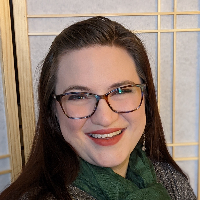
Rebecca Preston is a Licensed Mental Health Counselor, LMHC, practicing in New York with eight years of clinical experience. She has focused much of her work on people dealing with substance use and the emotional and relational problems that can come with it. Rebecca also helps people struggling with mood disorders such as anxiety, depression, and bipolar conditions, and with anger and stress that interfere with daily life.
She has experience with complex trauma, including intergenerational trauma and childhood attachment issues. Rebecca uses mindfulness-based methods alongside client-centered conversation to help people notice patterns and respond differently. Cognitive behavioral tools and solution-focused steps are part of how she helps people manage difficult thoughts and behaviors.
Sessions tend to be straightforward and practical. Rebecca aims for a conversational tone and a touch of lightness when appropriate. She works on skills for emotion regulation, managing cravings, improving sleep, and reducing avoidance or isolation.
Her work also addresses relationship and communication problems, codependency, caregiver stress, and the effects of chronic illness or pain. She helps people process grief, work through abandonment or attachment questions, and handle the strain of big life changes.
Rebecca sees therapy as collaborative. She helps people set small, achievable goals and practices exercises in session that can be used between meetings. She asks about each person's context and priorities, then adjusts her approach to those real-life concerns.
How Rebecca uses therapy approaches online
Rebecca commonly blends mindfulness-based counseling and cognitive behavioral work. Mindfulness-based counseling focuses on noticing thoughts, sensations, and emotional responses without harsh judgment. It can help with anger, stress, sleep problems, and managing urges. Cognitive behavioral therapy (CBT) looks at the link between thoughts, feelings, and actions and uses simple exercises to change unhelpful patterns and behaviors.Finding the right mix of approaches is a collaborative effort. Rebecca will talk with each person about their goals, daily demands, and what has or has not helped before. Together they pick practical steps to try, review how those steps worked, and adjust the plan as needed.
Confirm the specific session formats before booking since the biography does not list them. Online sessions can make it easier to fit therapy into a workday, allow shorter check-ins when schedules are tight, and reduce travel time. These practical benefits often help people keep consistent appointments and apply skills between sessions.
Areas of expertise
Primary focus
Also works with
Additional focus areas
Therapeutic approaches
Experience
8+ years
Listed in
New York
Languages
English
Frequently asked questions
What kinds of problems does she address related to anger?
She works with anger that shows up in relationships, at work, or as part of stress and mood issues. Anger is considered alongside substance use, trauma, and coping difficulties.
How would she describe her therapy style?
Rebecca uses a conversational, mindful approach that is client-centered and practical. She prefers short exercises and skill practice as well as discussion.
How much clinical experience does she have?
She has eight years of clinical experience working with people facing addiction, trauma, mood disorders, and related concerns.
What are her credentials and where is she based?
She is a Licensed Mental Health Counselor, LMHC, licensed in New York and practices in New York.
Can sessions be held in languages other than English?
Sessions are offered in English.
Does she work with international clients?
She does not accept international clients at this time.
How does payment and cost work?
Cost varies with location and sessions use a subscription that can be canceled at any time.
What do I do to begin working with her?
Select the See online therapy options button, complete a short matching questionnaire, and schedule a first session.