- Cognitive Behavioral Therapy
- DBT skills
- Values based ACT
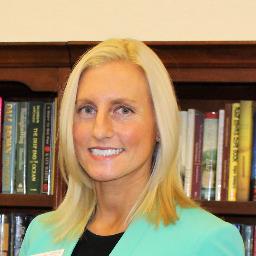
About Sarah
Sarah Wright is a Licensed Clinical Social Worker (LCSW) in Florida with three years of practice. She works with people facing stress, anxiety, depression, trauma and abuse, and anger among other concerns. She offers help for mood disorders, addictions, relationship strain, and sleep and eating problems.
Sarah uses a straightforward, person-centered approach. She draws on techniques from Cognitive Behavioral Therapy, Dialectical Behavior Therapy, Acceptance and Commitment Therapy, Motivational Interviewing, and solution-focused work. Sessions typically include practical skills, short experiments, and conversational coaching rather than long lectures.
She also incorporates discussions of faith and spirituality when clients wish to include them. That means conversations about values, meaning, or spiritual supports can be part of the plan if someone requests it. She aims to match techniques to what a person finds most useful in daily life.
Sarah has worked in clinical settings that included mental health and substance use services. Her background includes helping people manage bipolar symptoms, grief, compulsive behaviors, and self-harm concerns. She brings experience using trauma-focused ideas when past events continue to affect how someone reacts now.
In sessions she focuses on concrete strategies for managing strong emotions. That can include learning DBT skills for distress tolerance, CBT exercises to shift unhelpful thoughts, or ACT practices to clarify values and take action. The work is practical and aimed at improving how someone copes between sessions.
How therapeutic approaches guide online sessions
Acceptance and Commitment Therapy (ACT) helps people clarify personal values and take small actions that match those values. It is useful for people who feel stuck by painful thoughts or emotions and want practical, value-driven steps. Cognitive Behavioral Therapy (CBT) focuses on identifying and changing unhelpful thoughts and behaviors. It offers concrete exercises and homework to reduce anxiety, depression, and reactions like anger.Finding the right approach is part of the work. The therapist will talk with the client about goals, testing different techniques and choosing what fits best. That means sessions are collaborative and adjusted as progress and preferences become clearer.
The biography does not specify session formats, so confirm current options before booking. Online work can make it easier to fit therapy into a busy day, allow shorter check-ins when needed, and remove travel time. It can also let someone use phone-only sessions if a video call is difficult or a quiet space is limited. Licensed professionals can adapt ACT and CBT exercises for screen or phone sessions so skills can be practiced between meetings.
Areas of expertise
Primary focus
Also works with
Additional focus areas
Therapeutic approaches
Experience
3+ years
Listed in
Florida
Languages
English
Frequently asked questions
What kinds of concerns does she help with?
She works with stress, anxiety, depression, trauma and abuse, anger, and related issues like sleep, eating, and addictions.
What is her therapeutic style like?
Her style is person-centered and practical, using CBT, DBT, ACT, motivational interviewing and solution-focused techniques.
How much clinical experience does she have?
She has three years of experience as an LCSW practicing in Florida.
What credential and location apply to her practice?
She is a Licensed Clinical Social Worker (LCSW) licensed in Florida.
Are sessions available in other languages or for international clients?
Sessions are offered in English and she accepts international clients.
Which session formats does she offer?
The original biography does not list session formats; please confirm current session options before booking.
How does cost work for sessions?
Cost varies with location and sessions use a subscription that can be canceled at any time.
How do I begin working with her?
Select the See online therapy options button, complete a short matching questionnaire, and schedule a first session.