- CBT techniques
- DBT skills
- Mindfulness practice
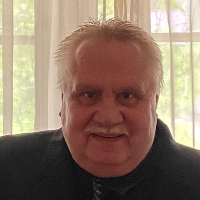
About Scott
Scott Heise is an Illinois Licensed Clinical Professional Counselor (LCPC) with 14 years of experience working in community mental health settings. He focuses on common concerns such as anxiety, depression, stress, addiction, trauma and anger. Scott talks with people who are dealing with sleeplessness, grief, career strain, ADHD, and other life changes.
He takes a direct, client-centered approach and helps people set concrete goals. Sessions often include practical steps to reduce intense emotions and manage day-to-day stress. Scott uses straightforward techniques to identify patterns that feed anger or anxiety and then practices alternative responses together with the client.
Cognitive Behavioral Therapy (CBT) is part of his toolkit for changing unhelpful thoughts and behaviors. He also draws on Dialectical Behavior Therapy (DBT) skills to teach emotional regulation, distress tolerance, and clearer communication. Mindfulness practices are used to increase present-moment awareness and reduce reactivity.
Scott has experience supporting people with substance use issues, mood disorders, and trauma-related concerns. He has worked with clients facing family of origin problems, caregiver stress, chronic pain and medical issues, and blended family challenges. His background includes helping people cope after natural or human-caused disasters and with complex co-morbid conditions.
Sessions are conversational and task-focused. He often combines skill practice with goal setting and homework between meetings. People who prefer a practical, goal-oriented talk therapy are likely to find his style useful.
How his approaches translate to online work
Scott commonly uses Cognitive Behavioral Therapy and Dialectical Behavior Therapy in straightforward ways. CBT focuses on identifying thoughts and behaviors that keep problems going and then testing small changes to see what helps. DBT teaches concrete skills for regulating intense emotions, tolerating distress, and improving communication.He also integrates Client-Centered Therapy, which centers the conversation on the person's goals and priorities and keeps the work practical and collaborative. Together the therapist and client review what is working, then try out approaches that match the client's needs and preferences.
If you plan to try online sessions, confirm the current session formats before booking. When arrangements are set, online work can make it easier to fit therapy into a busy life - shorter check-ins can fit a work break, audio-only options can reduce bandwidth needs, and scheduled video sessions allow focused skill practice without travel time. The therapist will help choose an approach and a session rhythm that fits daily routines and treatment goals.
Areas of expertise
Primary focus
Also works with
Additional focus areas
Therapeutic approaches
Experience
14+ years
Listed in
Illinois
Languages
English
Frequently asked questions
What kinds of problems does he help with?
He works with stress, anxiety, depression, addictions, trauma, anger, sleep problems, grief, ADHD, and related life changes.
What is his therapy style like?
He uses a client-centered, goal-oriented style that focuses on practical steps and skills to reduce reactivity and improve coping.
How much experience does he have?
Scott has 14 years of experience working primarily in community mental health settings.
What are his credentials and where is he based?
He is an Illinois LCPC and practices in Illinois.
Which languages are supported?
Sessions are offered in English.
Does he work with international clients?
International clients are not currently accepted.
How are sessions billed?
Cost varies with location and sessions use a subscription that can be canceled at any time.
How do I begin working with him?
Select the See online therapy options button, complete a short matching questionnaire, and schedule a first session.