- CBT methods
- Motivational interviewing
- Solution-focused work
About Timothy
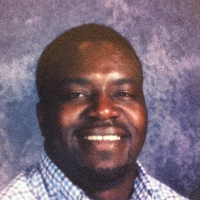
Timothy Pittman is an LCMHC licensed clinical mental health counselor in North Carolina with 20 years of experience. He works with adults and adolescents on issues such as depression, anxiety, addiction, bipolar disorder, grief, and anger. He also addresses relationship and intimacy concerns, parenting stress, sleep problems, and life changes.
Timothy uses clear, practical methods to help people understand what keeps problems going. He listens to how past events affect current feelings and behavior. Then he helps clients spot patterns and try different ways of responding.
His work often includes cognitive behavioral techniques to challenge negative or irrational thoughts. He also uses solution-focused steps to set small goals and measure progress. Motivational interviewing is part of his approach when people are making changes around substance use or other habits.
Sessions look at behavior, thinking, and what a person wants to change next. Timothy helps clients break large problems into manageable tasks. He supports people in building skills for managing anger, improving communication, and reducing stress.
Over two decades he has helped people facing a wide range of concerns, including ADHD, adoption and foster care questions, attachment issues, and multicultural matters. His focus is on practical change and clearer decision making rather than labels or diagnoses.
How his approaches adapt to online work
Timothy commonly uses Cognitive Behavioral Therapy and Motivational Interviewing in his practice. CBT looks at how thoughts influence feelings and actions and teaches practical skills to change those patterns. Motivational Interviewing focuses on a person's own reasons for change and builds motivation in a short, collaborative way. Finding the right approach is part of the work. He discusses goals and preferences with each person and adjusts methods based on what feels most helpful. The client and therapist decide together whether to try skills practice, short solution-focused steps, or deeper cognitive work. Confirm the available session formats before scheduling because the biography does not list specific options. Online sessions can make it easier to fit appointments into a busy day, reduce travel time, and allow quicker follow-ups or shorter check-ins when needed. Some people prefer audio-only sessions for lower bandwidth or less screen time, and others choose video when practicing communication or reviewing behavioral exercises. Ask about format options to match sessions to your schedule and goals.Areas of expertise
Primary focus
Also works with
Additional focus areas
Therapeutic approaches
Experience
20+ years
Listed in
North Carolina
Languages
English
Frequently asked questions
What kinds of problems does he help with?
He works with stress, anxiety, addictions, bipolar disorder, depression, anger, relationship and parenting concerns, and related issues listed in his profile.
What is his therapeutic style?
He uses a practical, client-centered approach that emphasizes listening, understanding past influences, and changing unhelpful behaviors.
How much experience does he have?
He has been working in the mental health and substance abuse field for 20 years.
What are his credentials and where is he based?
He is an LCMHC - Licensed Clinical Mental Health Counselor - practicing in North Carolina.
Which languages are sessions offered in?
Sessions are offered in English.
Does he work with international clients?
He does not accept international clients at this time.
What session formats are available?
Please confirm the current session options before booking, as the biography does not specify formats.
How are fees and cancelation handled?
Cost varies with location and sessions use a subscription that can be canceled at any time.