- CBT methods
- Attachment work
- Skills-based DBT
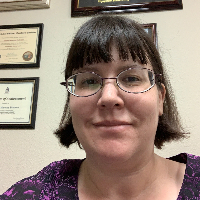
About Bethany
Bethany Maroney-Peterson is a licensed Marriage and Family Therapist (LMFT) in California with 16 years of clinical experience. She works with adults on problems such as anger, trauma and abuse, anxiety, depression, relationship and family concerns, and parenting stress. Sessions cover practical skills as well as ways to reduce ongoing tension and resentment in close relationships.
Her approach blends several therapy models to match what each person needs. She uses cognitive behavioral ideas to spot unhelpful thoughts and change routines that keep problems going. She also draws on attachment-based work to look at how early relationships affect current trust and closeness.
Dialectical behavior therapy techniques appear in her work for people who need concrete skills to manage intense emotions. Solution-focused strategies are used to set clear, achievable goals and notice small changes quickly. Bethany aims to work side by side with people to build skills rather than promise immediate fixes.
Her background includes a master’s degree in psychology and a bachelor’s degree in social work, plus experience with trauma, PTSD, anxiety disorders, and depression. She has also worked with military veterans and families using knowledge from combat mental health certification.
In sessions people can expect straight talk, skill practice, and problem-solving. The focus is on what helps with day-to-day functioning - managing anger at home or work, handling caregiver stress, improving communication, and coping with life changes.
How therapeutic approaches translate to online work
Many of her methods adapt well to remote sessions. Cognitive Behavioral Therapy (CBT) focuses on identifying and changing unhelpful thoughts and behaviors, often using between-session practice and straightforward techniques to reduce anger and anxiety. Attachment-Based Therapy looks at patterns in relationships and helps people notice and change interaction habits that fuel mistrust or resentment. Dialectical Behavior Therapy (DBT) provides concrete emotion regulation and distress tolerance skills that people can practice during and between sessions.Choosing the right approach is part of the work together. The therapist will collaborate with each person to decide which methods fit their goals and daily life, and will adjust the plan as needed based on progress and preferences.
The original profile did not list specific session formats, so confirm current session options before booking. Many clients find online sessions useful because they can fit appointments into a workday, reduce travel time, or choose a quicker check-in when schedules are tight. Phone or video formats can make it easier to attend without needing to travel, and shorter focused sessions can help keep goals on track. Discuss format preferences when you schedule to agree on what will work best.
Areas of expertise
Primary focus
Also works with
Additional focus areas
Therapeutic approaches
Experience
16+ years
Listed in
California
Languages
English
Frequently asked questions
What kinds of anger issues does she address
She helps people dealing with losing their temper, ongoing resentment, and anger that affects relationships or work.
What is her style in sessions
She works collaboratively and focuses on teaching skills, practical problem-solving, and goal setting rather than vague talk therapy.
How much experience does she have
She has 16 years of clinical experience as an LMFT working with trauma, anxiety, depression, and relationship issues.
Where is she licensed and based
She practices as a California LMFT and provides services from California.
Which languages are supported
Sessions are offered in English.
Can international clients work with her
International clients are not currently accepted.
How are fees handled
Cost varies with location and sessions use a subscription that can be canceled at any time.
How do I start a first session
Select the See online therapy options button, complete a short matching questionnaire, and schedule your first session.