- Client-centered work
- CBT techniques
- Solution-focused goals
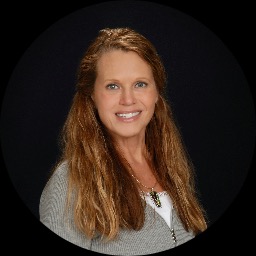
About Carole
Carole Boes is a Pennsylvania LCSW with 35 years of clinical experience. She works with adults who are trying to manage anger, stress, anxiety, grief, relationship problems, mood changes, and the fallout from trauma. She also focuses on issues that come with life transitions like divorce, caregiving, and blended family adjustments.
Carole uses straightforward, practical conversations to help people name what’s fueling their reactions and find clearer ways to respond. She draws on client-centered methods to listen to each person’s concerns and on cognitive behavioral ideas to spot and change unhelpful thinking and behavior patterns.
Her practice includes work with survivors of sexual assault, people dealing with workplace stress, and those navigating postpartum or seasonal mood changes. She also addresses codependency, addictions, and caregiver stress with concrete coping strategies and problem-solving steps.
Sessions aim to build coping skills, reduce the intensity of strong emotions, and help people reclaim control over how they respond in tense situations. Motivational interviewing techniques are used when change feels stalled, and solution-focused tools help set short-term, achievable goals.
Carole’s approach is collaborative and pragmatic. She helps clients try small experiments between meetings to test new ways of reacting and then reviews what worked. The focus is on steady, manageable change rather than quick fixes.
How her approaches translate to online work
Client-centered therapy focuses on listening and reflecting back what the client says so the person feels understood and can clarify their own goals. This approach helps people who want a listening ear to sort through anger and related problems.Cognitive Behavioral Therapy (CBT) looks at the link between thoughts, feelings, and actions. It helps people notice patterns that escalate anger and try different responses in everyday situations.
Motivational Interviewing supports change when someone feels stuck. It uses short conversations to explore values and strengthen reasons to try new behaviors, which can help with addictions and stubborn habits linked to anger.
Choosing the right approach is a collaborative process. The therapist will talk with the client about goals, try methods that seem to fit, and adjust plans based on what helps. That way the work stays practical and linked to real problems the client faces.
Because the biography does not list specific session formats, confirm current online options before booking. Online work can make it easier to fit sessions into a busy week, allow shorter check-ins when needed, and reduce travel time. These practical benefits help bring therapy into day-to-day life without promising a particular format.
Areas of expertise
Primary focus
Also works with
Additional focus areas
Therapeutic approaches
Experience
35+ years
Listed in
Pennsylvania
Languages
English
Frequently asked questions
What kinds of issues does she help with?
She works with anger, anxiety, depression, trauma and grief, as well as relationship and workplace stress.
What is her therapeutic style like?
She uses client-centered listening alongside cognitive behavioral and solution-focused methods to create practical next steps.
How much experience does she have?
She has 35 years of clinical experience working with adults on mood, trauma, and life transition issues.
What are her credentials and where is she based?
She is a Pennsylvania LCSW and practices from Pennsylvania.
Which languages are sessions offered in?
Sessions are offered in English.
Does she work with international clients?
She does not accept international clients at this time.
How much do sessions cost?
Cost varies with location and sessions use a subscription that can be canceled at any time.
How do I get started with her?
Select the See online therapy options button, complete a short matching questionnaire, and schedule a first session.