- Client-Centered Therapy
- Motivational Interviewing
- Solution-Focused Therapy
About Catherine
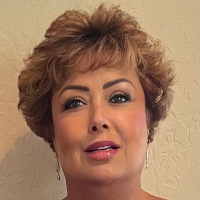
Catherine (Cathy) Groh is a Licensed Clinical Social Worker, LCSW, practicing in California with 10 years of experience. She works with people facing stress, anxiety, depression, grief, relationship struggles, and anger. She also supports clients dealing with trauma and abuse, addictions, sleep and eating issues, and life changes.
Cathy uses a client-centered style that keeps the person’s goals in focus. Sessions tend to be conversational and practical. She listens for what matters most and helps people name small, doable steps to change how they respond to difficult situations.
Her work often covers family and attachment concerns, including blended family issues, divorce and separation, and family-of-origin patterns. She also addresses issues such as abandonment, codependency, communication problems, jealousy, and commitment worries. Cathy brings a steady, problem-oriented approach when people need to reduce conflict or manage intense feelings.
Motivational interviewing and solution-focused techniques are part of her toolkit. Those methods help when someone is stuck making a change or wants concrete strategies to move forward. Sessions can include goal-setting, exploring motivation, and finding quick strategies to lower stress and reactivity.
Clients can expect straightforward conversation about where anger and frustration come from and what shifts might make daily life easier. Cathy favors clear steps and regular check-ins so progress can be tracked. To get started she asks people to complete a short match questionnaire and schedule an initial session.
How her approaches translate to online work
Client-Centered Therapy means sessions focus on the person’s priorities and pace. The therapist listens and reflects so the client can set the direction. This approach helps with emotional concerns like anger, grief, and relationship strain.Motivational Interviewing helps when someone is unsure about change. It uses conversational techniques to explore values and increase the drive to try new behaviors. Solution-Focused Therapy looks for small, practical steps that make daily life easier and reduce reactivity.
Finding the right approach is part of the process. The therapist will work together with the client to test methods and adjust plans based on what the client needs and prefers. That collaborative process helps identify tools that fit the person’s goals.
Confirm the session formats before booking so you know how appointments are offered. Online options can make it easier to fit sessions into a busy week, shorten some check-ins, or avoid travel. Many clients find remote work useful for consistent follow-up and applying new strategies between meetings.
Areas of expertise
Primary focus
Also works with
Additional focus areas
Therapeutic approaches
Experience
10+ years
Listed in
California
Languages
English
Frequently asked questions
What concerns does she help with?
She works with stress, anxiety, depression, grief, relationship issues, anger, and related problems such as sleep or eating difficulties.
How would you describe her therapy style?
Her style is client-centered and interactive. She focuses on practical steps and collaborative goal-setting.
What is her experience in the field?
She has 10 years of professional experience working with a range of concerns including trauma, addiction, and family issues.
What are her credentials and where is she located?
She is an LCSW licensed in California and provides services from that state.
Which languages are supported?
Sessions are offered in English.
Can international clients work with her?
International clients are not accepted at this time.
How are sessions structured and what formats are available?
Confirm current session options before booking so you know which formats are offered for scheduling and check-ins.
How does pricing and starting therapy work?
Cost varies with location and sessions use a subscription that can be canceled at any time. Start by completing the short matching questionnaire and scheduling a first session.