- CBT strategies
- DBT skills
- Mindfulness practice
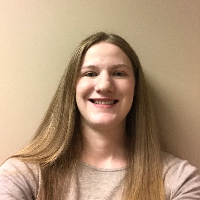
About Lindsay
Lindsay DeMarlie is a Licensed Clinical Social Worker and Licensed Independent Social Worker with ten years of experience. She practices in Iowa and works with adults who are dealing with anger, stress, anxiety, depression, trauma, and related concerns. She also supports people facing relationship strain, addiction, parenting stress, and questions about identity and self-worth.
Lindsay uses straightforward, practical methods in sessions. She focuses on what clients want to change and helps them set clear goals. Sessions include hands-on strategies from cognitive behavioral and dialectical behavior approaches, alongside mindfulness and acceptance techniques. The tone is direct and non-judgmental rather than clinical or distant.
Her background includes work in a community mental health center setting where she provided individual, family, and couples counseling. That experience involved treating people with depression, anxiety, post-traumatic stress, bipolar disorder, and trauma that happened in childhood or adulthood. She has worked with survivors of physical, sexual, and emotional abuse, as well as people affected by domestic violence.
In practice she leans on client-centered care, helping people identify their own goals and steps to get there. Strategies used can include skills for managing strong emotions, changing unhelpful thinking patterns, distress tolerance techniques, and present-moment awareness exercises. Sessions typically focus on practical change rather than abstract theory.
People who come for help with anger often want clearer boundaries, fewer blowups, or less simmering resentment. Lindsay helps people notice patterns, try small behavior changes, and build tools that reduce heated reactions over time.
How her approaches translate to online work
Lindsay commonly uses Acceptance and Commitment Therapy and Cognitive Behavioral Therapy in her practice. ACT focuses on noticing thoughts and values, then taking actions that match what matters most. It can help with anger that’s driven by rigid rules or avoidance. CBT looks at the link between thoughts, feelings, and behaviors and teaches practical steps to interrupt unhelpful patterns and reduce reactive responses.She also draws on Dialectical Behavior Therapy skills for emotion regulation and distress tolerance. DBT skills are concrete tools people can practice between sessions to manage heated moments and lower impulsive reactions. Together these approaches give skills, perspective, and short exercises to try in everyday life.
Finding the right approach is part of the work and happens collaboratively. The therapist will help identify which methods match a person’s goals, preferences, and the situations that trigger anger. That means checking what helps, adjusting strategies, and focusing on techniques the person can use outside sessions.
The biography does not list specific session formats, so confirm current online options before booking. Many people find online work useful for fitting therapy into a busy life, keeping appointments during work breaks, avoiding travel time, and practicing skills in the environments where problems occur. Ask about the available session styles when you schedule your first meeting.
Areas of expertise
Primary focus
Also works with
Additional focus areas
Therapeutic approaches
Experience
10+ years
Listed in
Illinois, Iowa
Languages
English
Frequently asked questions
What kinds of anger or temper problems does she address?
She helps with losing temper with loved ones, workplace frustration, simmering resentment, and stress-related irritability. Anger is listed among the concerns she commonly works with.
Which therapeutic style does she use for anger?
She uses client-centered work combined with Cognitive Behavioral Therapy and Dialectical Behavior Therapy techniques. Mindfulness and Acceptance and Commitment ideas are also part of the approach.
How much experience does she have handling these issues?
She has ten years of clinical experience working in community mental health settings and private practice contexts. Much of that time involved supporting people with trauma, mood disorders, and stress-related concerns.
What are her credentials and where does she practice?
She holds LCSW and LISW credentials and practices in Iowa while also holding Illinois licensure. The credentials shown are IL LCSW and IA LISW.
Does she offer sessions in other languages or to international clients?
Sessions are offered in English. She does accept international clients.
What session formats are available?
The original biography does not specify exact session formats. Please confirm current session options before booking.
How much do sessions cost?
Cost varies with location and sessions use a subscription that can be canceled at any time. Pricing is not listed in the biography and may differ by region.
How do I begin working with her?
Start by selecting the See online therapy options button, completing a short matching questionnaire, and scheduling a first session. That process is how initial appointments are arranged.