- Listening focused
- Substance use experience
- Trauma informed
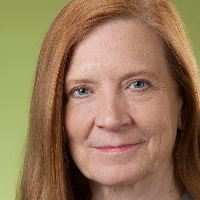
About Michele
Michele Fitzgerald is a Licensed Professional Clinical Counselor (LPCC) in Minnesota with 25 years of clinical experience. She began her career working with adolescents in substance use treatment in the 1980s and has since held roles in substance abuse and mental health counseling, adoption and birth parent support, hospital social work, and long-term care settings.
Her background includes work in Kodiak, Alaska and Minneapolis, Minnesota. That variety shaped how she approaches stress, addiction, trauma, grief, depression, anger, relationship and family concerns, and other life challenges. Michele describes recovery as tied to overall wellness and sees strength as something that can grow through hard times.
In sessions she listens carefully and treats mistakes as chances to learn. She uses practical methods to help people manage anxiety, improve sleep and eating patterns, address ADHD-related struggles, and cope with career and parenting pressures. She also works with issues such as abandonment, attachment, codependency, and family of origin concerns.
Michele draws on several clinical approaches when helping people, including client-centered therapy, cognitive behavioral therapy (CBT), dialectical behavior therapy (DBT), eye movement desensitization and reprocessing (EMDR), and motivational interviewing. She tailors conversations and techniques to the problem at hand and the person in the room.
To start, readers should be aware she sees clients in Minnesota and conducts work in English. The profile notes a regular time she is available on Thursdays from 4:00 to 8:00 pm; confirm current scheduling details when arranging a first appointment.
How Michele applies common approaches in online work
Client-centered therapy puts the person’s experience first. It focuses on listening and reflecting so a person can better understand what they feel and want to change. This approach helps when someone needs to clarify priorities around anger, relationships, or recovery.Cognitive behavioral therapy, or CBT, looks at how thoughts, feelings, and actions link together. It offers concrete skills to test and change unhelpful thinking and behavior, which can reduce reactive responses and build better coping habits.
Dialectical behavior therapy, DBT, emphasizes skills for emotion regulation, distress tolerance, and interpersonal effectiveness. Those tools can be useful for managing strong feelings, improving communication, and handling conflict without escalating.
Finding the right approach is collaborative. The therapist will talk with the client about goals, try techniques that fit the problem, and adjust based on what helps most. That conversation is part of early sessions and ongoing care.
The biography does not list specific session formats, so confirm current options before booking. Online work can make it easier to fit sessions into a busy week, allow shorter check-ins when needed, and avoid travel time. Discuss practical needs and scheduling preferences when arranging the first appointment to find what best fits everyday life.
Areas of expertise
Also works with
Additional focus areas
Therapeutic approaches
Experience
25+ years
Listed in
Minnesota
Languages
English
Frequently asked questions
What concerns does she work with related to anger?
She addresses anger alongside stress, relationship issues, trauma, addiction, grief, sleep and eating problems, and related concerns.
How does she approach therapy for someone who loses their temper?
She listens first and uses practical strategies from client-centered work, CBT, DBT, and motivational interviewing to develop better coping and communication.
What is her background and experience?
She has 25 years of experience, starting in adolescent substance abuse treatment in the 1980s and later working in adoption, hospital social work, and long-term care.
What credential and region does she practice in?
She holds the LPCC credential and practices in Minnesota as noted in her profile.
Does she work in languages other than English or with international clients?
Sessions are offered in English and she does not accept international clients at this time.
What session formats are offered?
The original biography does not specify session formats; please confirm the current session options before booking.
How is cost handled for sessions?
Cost varies with location; sessions use a subscription model that can be canceled at any time.
What is the first step to begin working together?
Select the See online therapy options button, complete the short matching questionnaire, and schedule a first session.