- Attachment work
- Narrative methods
- Family therapy
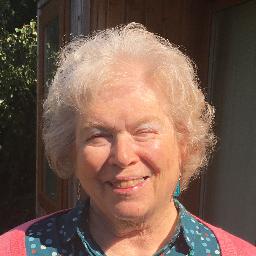
About Ruth
Dr. Ruth Alice Morgan-Jones is a BACP-registered counsellor with 40 years of clinical experience in the United Kingdom. She works with people facing relationship strain, parenting pressures, grief and anger. She also helps with anxiety, depression and coping with life changes.
Ruth trained first as a social worker in the United States and later completed a PhD at the London School of Economics. Her PhD research became a book on the impact of hearing loss on family life, and she spent 12 years as the principal clinician of a charity she founded for people with special needs and their relatives.
She trained with Relate in the UK and holds a diploma in Family Therapy. Ruth says she began with psychodynamic training and now draws on several approaches in practice. She names Attachment-Based, Client-Centred, Jungian, Narrative and Psychodynamic therapies among the methods she uses.
In session Ruth works with practical relationship problems and personal patterns that keep people stuck. She pays attention to how early attachments and life stories shape reactions, and she helps people talk through control issues, communication problems and feelings of abandonment.
Ruth has long-term interest in intercultural relationships and has researched that topic. She has provided diversity training to charities and agencies for the past decade. Sessions are conducted in English and she accepts international clients. If you plan to start, follow the See online therapy options button and complete the short matching questionnaire to schedule a first meeting.
How her approaches adapt to online work
Attachment-Based Therapy looks at how early bonds shape reactions in close relationships. Online sessions can help people notice recurring patterns and try different ways of connecting in day-to-day life. Client-Centred Therapy focuses on the person's own thoughts and feelings and gives them space to lead the conversation; it is useful for exploring anger, low self-esteem and decisions about relationships.Finding the best approach usually happens together. The therapist will talk with the client about what they want to change and try methods that suit their needs and preferences. That collaborative process helps shape whether sessions lean more towards exploring life stories, attachment patterns or present-day coping skills.
Confirm the precise session formats before booking, as the biography does not list specific formats. Many people value online work because it can fit into busy days, avoid travel time and allow shorter check-ins when needed. Others choose options that put less demand on video if they prefer audio only. Talk with the therapist about what will work best for practical scheduling and session length.
Areas of expertise
Primary focus
Also works with
Additional focus areas
Therapeutic approaches
Experience
40+ years
Listed in
United Kingdom
Languages
English
Frequently asked questions
What kinds of problems does she help with?
She works with relationship difficulties, parenting stress, grief, anger and related issues such as anxiety and depression.
What is her therapeutic style?
She uses an eclectic approach informed by psychodynamic thinking, Attachment-Based and Client-Centred ideas, plus narrative and Jungian perspectives.
How much experience does she have?
She has 40 years of clinical experience, including running a charity and long-term private practice work.
What credentials and location are listed?
She is a BACP-registered counsellor practising in the United Kingdom.
Which languages are supported?
Sessions are offered in English.
Can people outside the UK work with her?
She accepts international clients.
How are costs handled?
Fees vary with location and sessions use a subscription that can be cancelled at any time.
How do I begin sessions?
Use the See online therapy options button, complete the short matching questionnaire, and then schedule a first session.