- CBT methods
- Solution-focused
- Motivational interviewing
About Tamara
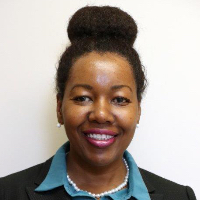
Dr. Tamara Woods is a Licensed Clinical Social Worker (LCSW) with 14 years of clinical experience and a clinical social worker (CSW) background. She is based in North Carolina and works with adults on concerns such as stress, anxiety, depression, grief, relationship strain, and anger. Sessions are aimed at practical changes rather than labels and focus on what a person can do next.
Her approach mixes several practical methods. She uses cognitive behavioral techniques to spot unhelpful thinking and change behavior. Solution-focused methods are used to set small, achievable goals and track progress. Client-centered work means the conversation follows the person’s priorities.
Dr. Woods also draws on motivational interviewing to help people clarify and strengthen their own reasons for change. In session she listens for patterns from past relationships that affect current behavior, using attachment-informed ideas to map those connections.
People who come for anger concerns often bring related issues like relationship tension, parenting stress, or workplace frustration. She helps identify triggers, practice new responses, and try brief experiments between sessions. Meetings are straightforward and aimed at improving daily interactions.
Her background includes long experience with adults and with family-related matters across many settings. She asks questions about what currently works and what does not, then adapts practical steps to fit each person’s life. To start, she suggests people complete a short matching questionnaire and schedule an initial session.
How her approaches translate to online work
Attachment-informed ideas are used to notice how past relationship patterns influence current reactions. This helps when someone wants to understand why anger flares with certain people and what to try differently.Cognitive Behavioral Therapy (CBT) looks at thoughts, feelings, and actions. Online sessions can teach simple exercises to test unhelpful thoughts and practice different responses between meetings.
Solution-Focused Therapy centers on small, practical goals. In video or phone conversations, this often means identifying one change to try before the next session and checking results together.
Finding the right mix of approaches is part of the work. The therapist will discuss goals, preferences, and how you want to work, then suggest methods to try. This is a collaborative process and adjustments are expected as progress is monitored.
Session formats are not specified in the biography, so confirm current options before booking. Online sessions can make it easier to fit therapy into busy days, allow shorter check-ins when needed, and remove travel time. They also support practicing new skills between meetings in the settings where difficulties actually occur.
Areas of expertise
Primary focus
Also works with
Additional focus areas
Therapeutic approaches
Experience
14+ years
Listed in
Georgia, North Carolina
Languages
English
Frequently asked questions
What kinds of anger-related concerns does she address?
She works with adults on anger that shows up in relationships, at work, or as ongoing resentment. Related issues include stress, grief, depression, and parenting strain.
What is her general therapy style?
She uses straightforward, practical methods like cognitive behavioral techniques and solution-focused steps. Conversations follow the client's priorities and focus on concrete next steps.
How much clinical experience does she have?
She has 14 years of clinical experience as a Licensed Clinical Social Worker and more than 20 years working with families in various roles.
What credentials and location are listed?
She holds LCSW and CSW credentials and practices from North Carolina under the NC LCSW and GA LCSW listings.
Which languages are sessions offered in?
Sessions are offered in English.
Can people outside the United States work with her?
International clients are not currently accepted.
How does billing and cost work?
Cost varies with location and sessions use a subscription that can be canceled at any time.
How do I begin if I want to work with her?
Begin by selecting the See online therapy options button, completing a short matching questionnaire, and scheduling a first session.