- CBT methods
- ACT and mindfulness
- First responder experience
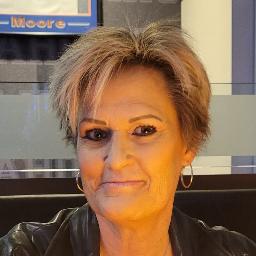
About Wendy
Wendy Weston is a Licensed Professional Counselor (LPC) in Idaho with eight years of counseling experience. She has a master's degree in Rehabilitation Counseling from the University of Idaho. Wendy's practice addresses a wide range of concerns including stress, anxiety, addictions, relationship and family issues, grief, parenting strain, anger, and mood disorders.
Wendy spent 13 years as a first responder and has ten years of experience within the child welfare system. More recently she has focused on supporting people dealing with addictions. That background shapes how she approaches practical problems and crisis situations.
In sessions she partners with clients to look at thoughts, feelings, and behaviors. Conversations aim to identify patterns that contribute to repeating problems. She encourages small, manageable actions people can try between sessions to test what works.
Her work draws on several well-known methods including Cognitive Behavioral Therapy (CBT), Acceptance and Commitment Therapy (ACT), Dialectical Behavior Therapy (DBT) principles, client-centered ideas, and mindfulness techniques. She describes therapy as a collaborative process to develop skills and make steady change.
Wendy is a member of the American Counseling Association and follows the Idaho boards and professional ethics that govern practice. People who choose her often want concrete tools to handle anger, stress, addiction struggles, or shifting life demands.
How Wendy uses evidence-based approaches online
Acceptance and Commitment Therapy (ACT) helps people notice unhelpful thoughts without getting stuck in them. ACT also focuses on clarifying personal values and taking small, value-driven steps forward. Cognitive Behavioral Therapy (CBT) breaks problems into thoughts, feelings, and actions and uses practical exercises to change unhelpful patterns. Dialectical Behavior Therapy (DBT) skills offer concrete strategies for regulating strong emotions and improving distress tolerance.Choosing the best approach is a collaborative process. The therapist will review goals, listen to what has or hasn't helped before, and recommend methods to try together. That plan can change as progress is reviewed.
Session formats are not specified in the biography, so confirm current options before booking. Online work can make it easier to fit therapy into a busy day, allow shorter check-ins when needed, and remove travel time. It also lets clients practice skills in the settings where problems happen, then bring observations back to the therapist to refine what works.
Areas of expertise
Primary focus
Also works with
Additional focus areas
Therapeutic approaches
Experience
8+ years
Listed in
Idaho
Languages
English
Frequently asked questions
What kinds of problems does she help with?
She works with stress, anxiety, addictions, anger, relationship and family concerns, grief, parenting issues, mood disorders, and related challenges.
What is her therapy style like?
Her style is client-centered and collaborative. She focuses on exploring thoughts, feelings, and behaviors and taking actions that lead to practical change.
How much clinical experience does she have?
She has eight years as a Licensed Professional Counselor and additional background from 13 years as a first responder and ten years in the child welfare system.
What credentials and region apply to her practice?
She is an LPC practicing in Idaho and holds a master's degree in Rehabilitation Counseling from the University of Idaho.
Which languages are sessions offered in?
Sessions are offered in English.
Does she work with clients outside the United States?
International clients are not accepted at this time.
How does payment work and what does therapy cost?
Costs vary with location; sessions use a subscription that can be canceled at any time.
How do I begin a first session?
Start by selecting the See online therapy options button, complete a short matching questionnaire, and schedule a first session.